
A Dying Man's Final Secret
In 1947, Al Capone lay in a prison hospital bed in Missouri, his body ravaged by illness. Before he died, he reportedly told those around him that somewhere out there was a fortune — millions of dollars in cash he had buried and never had the chance to spend.
The fortune, if it ever existed, has never been found.
This is one of the most persistent legends in American crime history. Unlike most gangster folklore, it comes with just enough documented truth to keep treasure hunters searching more than seventy-five years later.

Capone's Prohibition-Era Empire
To understand why the legend persists, it helps to understand the scale of money Capone once controlled. By the mid-1920s, he ran an empire built on Prohibition — bootleg liquor, illegal breweries, speakeasies, gambling dens, and prostitution rings. Historians estimate his organization pulled in tens of millions of dollars a year at its peak, all earned outside the banking system in an era when cash was king and secrecy was good business.
This detail is central to the legend. Capone couldn't operate through banks the way a legitimate businessman would, because every dollar he earned was evidence of a federal crime. While some money moved through shell businesses and bank deposits under false names, a significant portion of his wealth is believed to have existed as raw, untraceable cash — the kind that leaves no paper trail once it disappears.

The Fall of Al Capone
Capone's downfall didn't come from murder charges, despite presiding over some of the bloodiest gang violence Chicago had seen, including the Saint Valentine's Day Massacre in 1929. It came from tax law. In 1931, federal prosecutors convicted him of income tax evasion, since he had never paid taxes on income he couldn't publicly admit to earning. He was sentenced to eleven years and eventually landed at Alcatraz.
By his release in 1939, syphilis contracted years earlier had already begun destroying his mind and body. He spent his final years in declining health at his estate in Palm Island, Florida, before dying in 1947. Somewhere in that stretch of years — the indictment, the imprisonment, the decline — the legend says he hid money that has never been recovered.
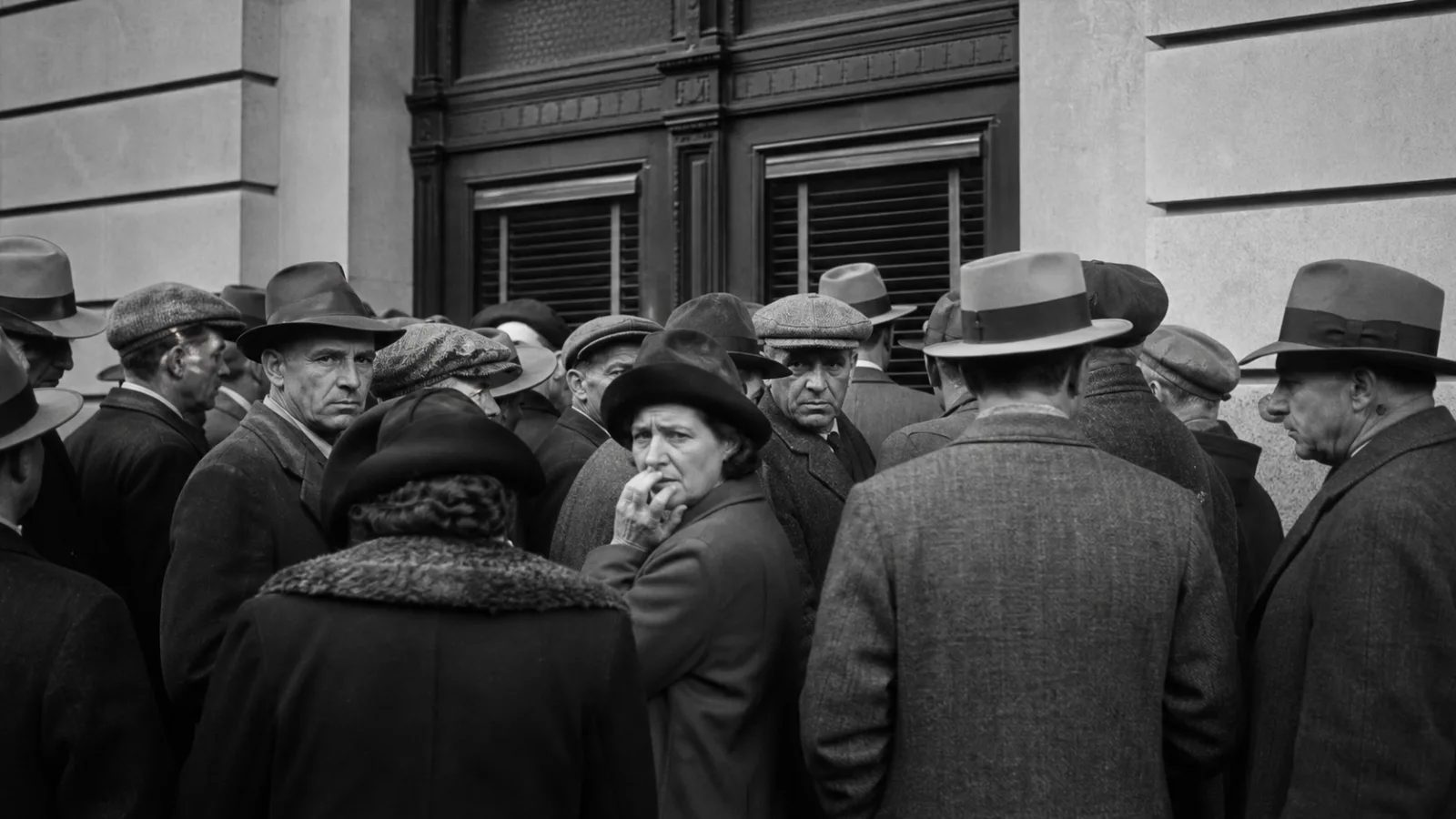
What Evidence Actually Exists
There is no single smoking gun here. What exists is a pattern of documented behavior, contemporary reporting, and family testimony that together suggest a picture without ever quite proving it.
It's established fact that federal investigators during Capone's tax case struggled to trace his full income. Prosecutors could only document a fraction of what he was believed to have earned — a gap that made the tax evasion case possible in the first place. If the government couldn't fully trace his money in 1931, with subpoena power and federal resources, that unaccounted wealth had to exist somewhere. 
Capone was also, by multiple contemporary accounts, deeply distrustful of banks, a common trait among criminals of his era who had watched banks fail and had every reason to avoid record-keeping institutions. Burying cash, hiding it in walls, or stashing it with trusted associates were not unusual practices among Prohibition-era criminals generally.

Family Testimony and Its Limits
Members of the Capone family have, over the decades, made vague references in interviews to hidden money that was never located. These accounts include no maps, no coordinates, no specific locations. They amount to secondhand recollection and family lore — the kind of thing repeated at holiday tables and later to journalists.
It's important to be honest about what this is: testimony filtered through decades of memory, not hard documentary evidence.
The 1986 Vault Special
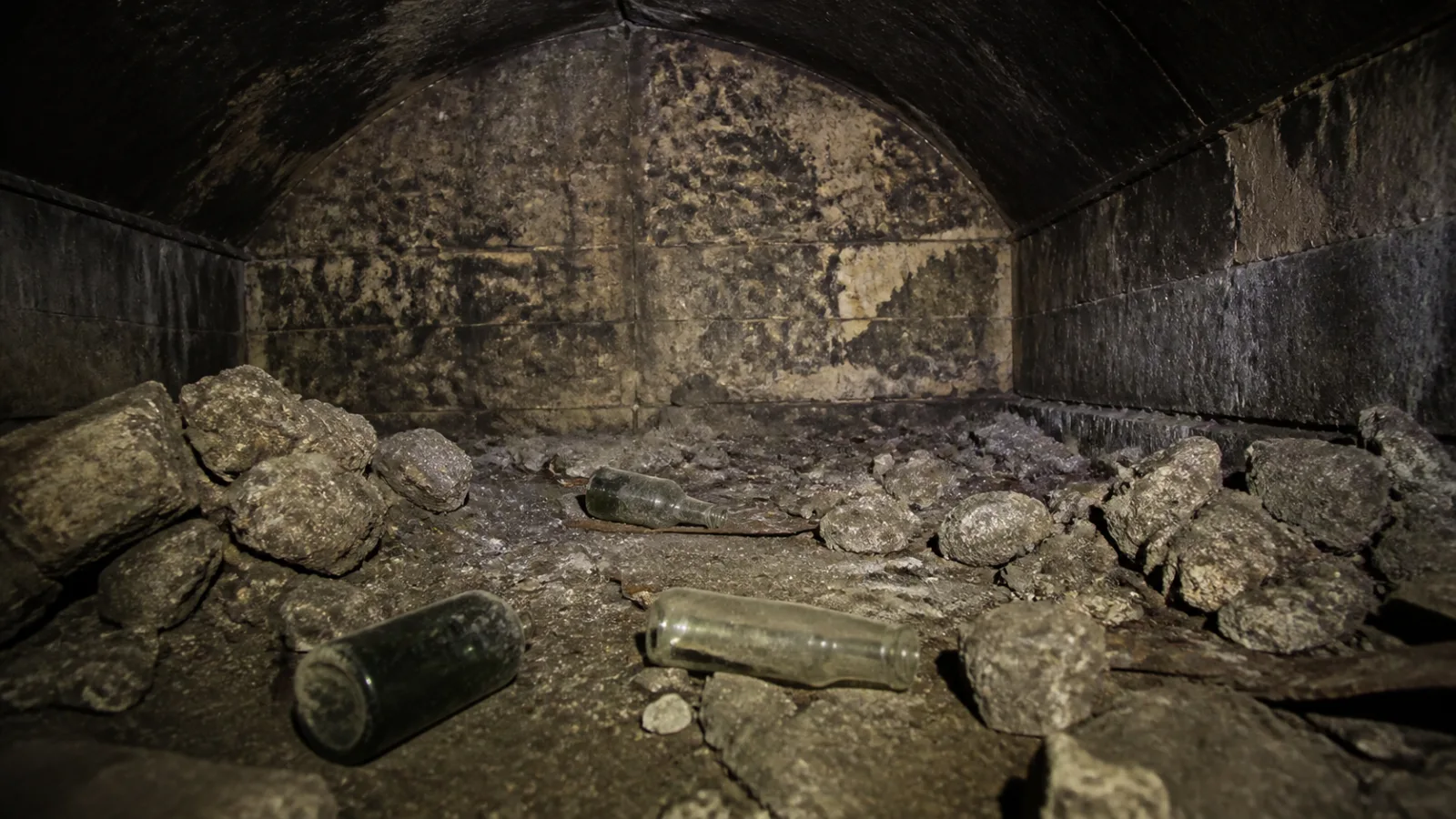
The most public chapter of this story played out on live television. In 1986, host Geraldo Rivera fronted a syndicated special called "The Mystery of Al Capone's Vaults," built around the opening of a sealed underground vault discovered at the site of the old Lexington Hotel in Chicago — a building with documented ties to Capone's operation.
Workers broke through concrete on camera, in front of a massive live audience. The vault contained dirt, empty bottles, and debris. No cash. No gold. No hidden fortune. It became an instant symbol of anticlimax.
But the failure of that search doesn't resolve the broader question. It only proved one rumored location, tied to one building, was empty — not that money never existed elsewhere.
Decades of Fruitless Searches
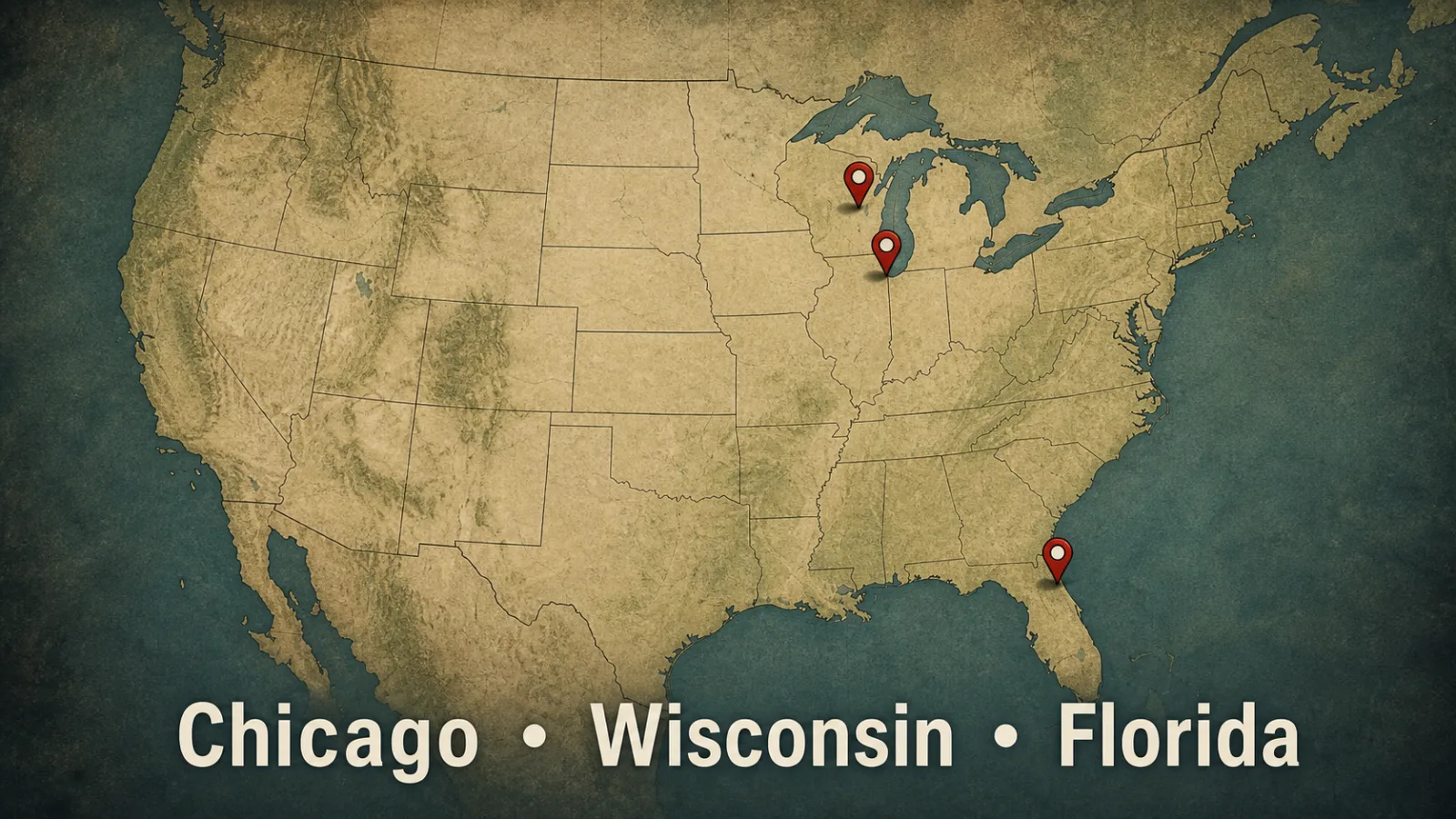
Searches have continued since, though with far less fanfare. Treasure hunters and amateur historians have investigated properties connected to Capone in Chicago, in rural Wisconsin near his family's retreat, and around his former Florida estate. None of these searches has produced verified results. No confirmed cache of Capone's money has ever surfaced publicly, been authenticated, or been reported through any credible investigative or law enforcement channel.
Three Competing Theories
With no proof either way, three explanations remain in circulation, each consistent with at least some of the known facts.
- There never was a surviving fortune. Capone's later years were expensive — legal defense during the tax trial, medical care as syphilis took hold. His family's relatively comfortable postwar lifestyle could reflect ordinary remaining assets rather than a secret cache. Under this theory, any cash reserves were simply spent down over time.
- Associates kept the money. Capone's organization included lieutenants and financial handlers, many of whom outlived him by decades. If cash was stashed for safekeeping during his prosecution, it's plausible whoever held it never returned it.
- The money is still buried. Some persistent treasure hunters believe Capone hid cash himself between his indictment and imprisonment, expecting the government to seize his visible assets — and that it remains buried on a property that has since changed hands, been developed, or been paved over.
None of these theories can be proven with the evidence currently available.

Chicago's Lost Trail
The Lexington Hotel was demolished in 1995. Properties in Wisconsin and Florida once tied to Capone's operation have changed ownership repeatedly, renovated and rebuilt by people with no connection to the story. Every year that passes makes any physical trail harder to follow.
If Al Capone really did bury a fortune during those final desperate years before prison, the ground that once held it may no longer even resemble the place he buried it in — foundations poured over it, roads laid across it, an American century built on top of whatever he left behind. Somewhere beneath all of that, or nowhere at all, is the answer.