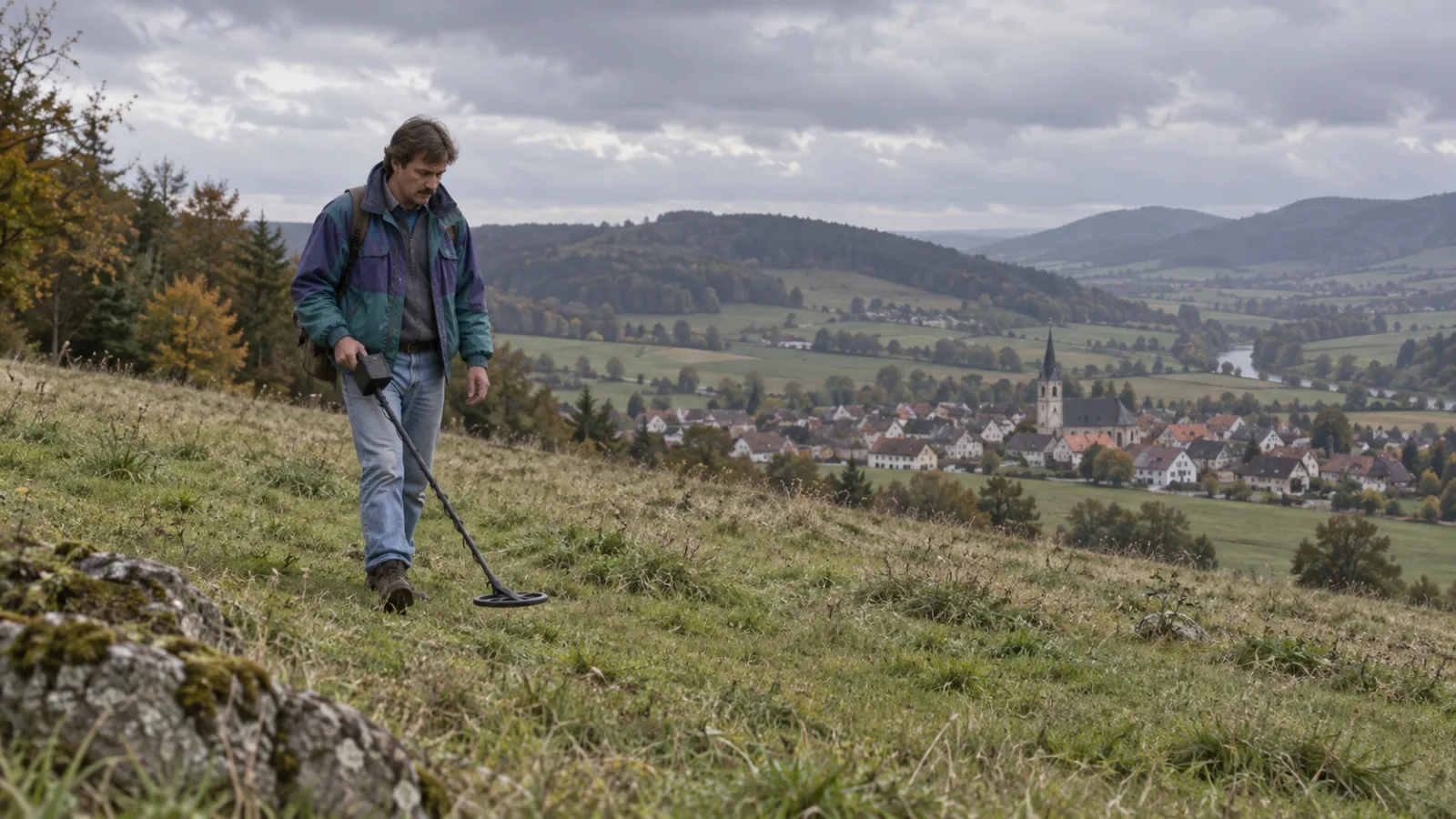
The soil in northern Germany does not give up its dead easily. For nearly two thousand years, it held them in silence: rusted iron, splintered bone, the quiet debris of a catastrophe that Roman historians tried to describe and could barely bring themselves to believe. Then, in the 1980s, an amateur with a metal detector walked a hillside near a town called Kalkriese, and the ground finally began to speak.
What he found would eventually help unravel one of the most consequential defeats in Roman history, a disaster so severe that Emperor Augustus is said to have wandered his palace crying out for his legions to be returned to him. But the story of Kalkriese isn't just about finding a battlefield. It's about finding the men who died on it, and about a mystery that the physical evidence still cannot fully close.
To understand why a muddy hillside in Lower Saxony matters so much, you have to go back to the year 9 CE, when Rome believed it had already won.
Rome's Overconfidence in Germania
By that point, the empire had spent decades pushing its frontier deeper into Germania, the vast forested territory east of the Rhine River. Roman generals had marched armies across it, built forts, collected tribute, and installed a governor named Publius Quinctilius Varus to manage the region as though it were already tame. Varus was an experienced administrator, but by most historical accounts, he underestimated the people he was governing.
Arminius, the Trusted Betrayer
Varus trusted a local nobleman named Arminius, a man who had been raised partly within the Roman world, trained in Roman military tactics, and even granted Roman citizenship. Arminius spoke Latin. He understood how Roman legions marched, how they camped, how they thought.
He used all of it against them.
According to the ancient historian Cassius Dio, and later accounts drawing on the earlier writer Velleius Paterculus, Arminius fed Varus false intelligence about a local uprising. It lured three Roman legions (the Seventeenth, Eighteenth, and Nineteenth), along with auxiliary troops and camp followers, into unfamiliar terrain. Modern estimates place the total number of people in that column somewhere between fifteen and twenty thousand. Soldiers, yes, but also merchants, slaves, wives, children. An entire moving world.
The Ambush at Kalkriese
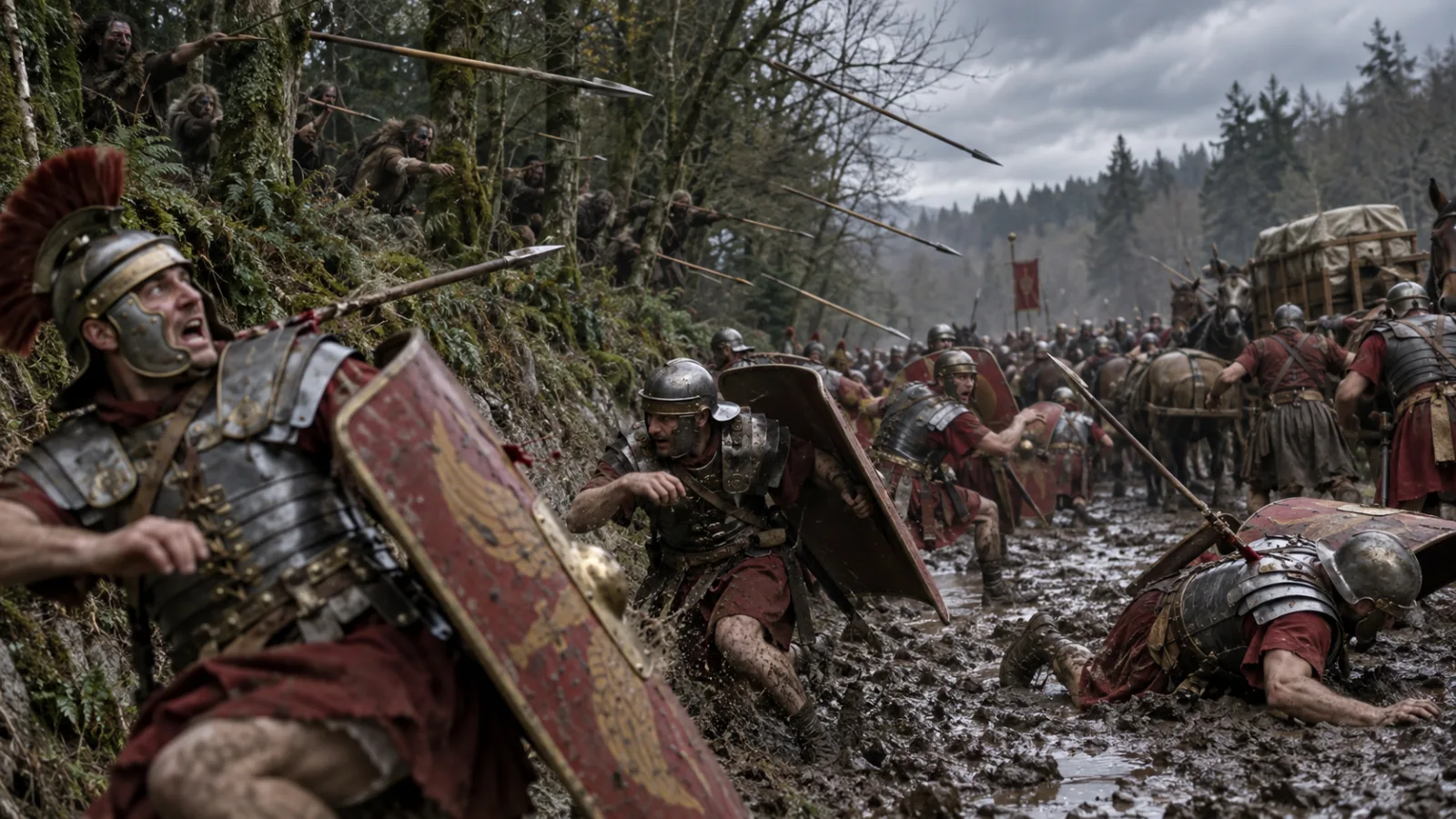
They marched into a landscape that swallowed them.
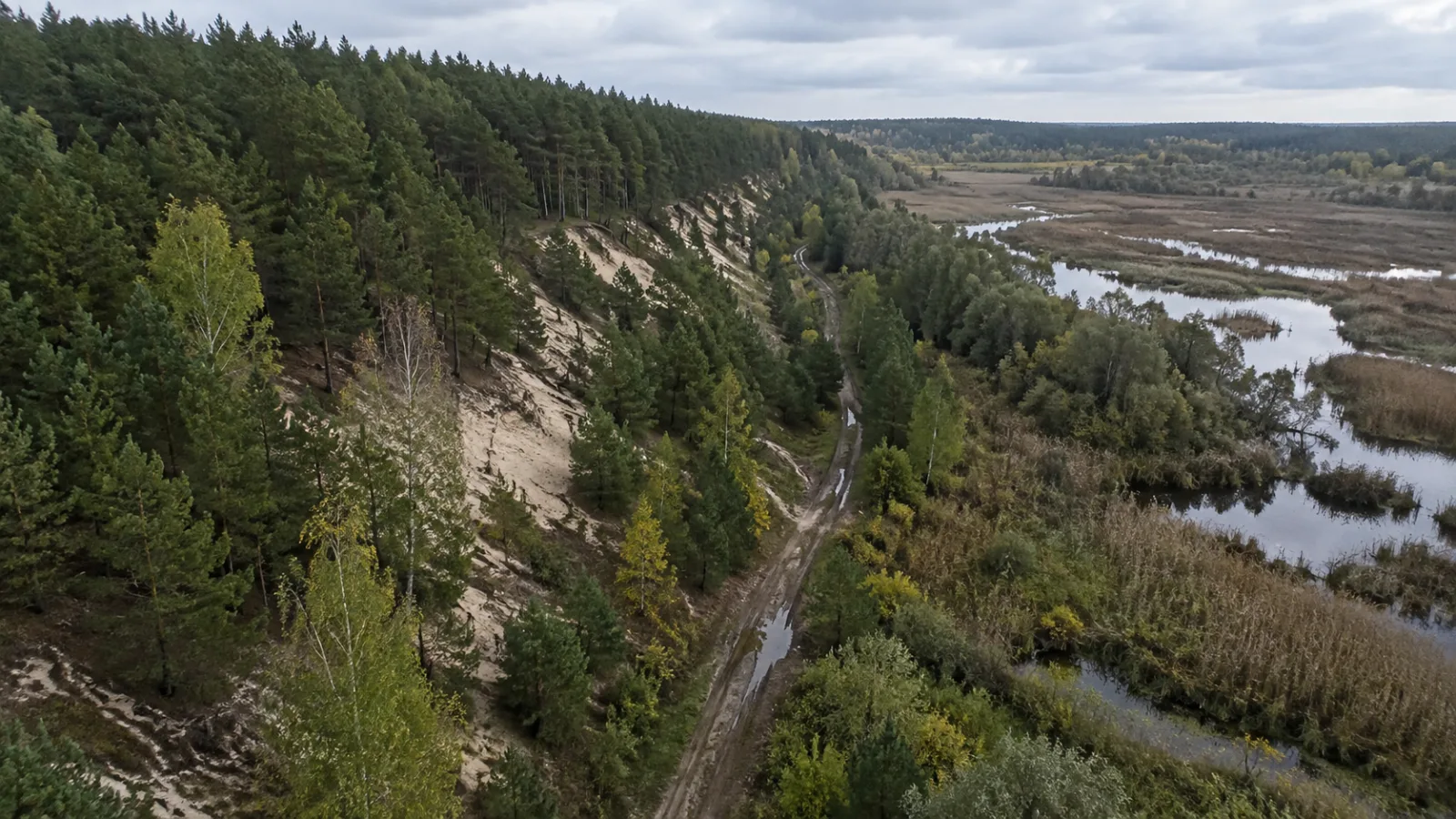
The terrain near Kalkriese narrows into a corridor, hemmed in by a low sandy ridge on one side and marshland on the other. It was early autumn, and ancient sources describe torrential rain and wind battering the column as it stretched out along a narrow track, its formation broken by the terrain itself. Roman legions were built for open-field battle: disciplined ranks, wide sightlines, room to maneuver. Here, they had none of that.
And waiting in the trees were the Germanic tribes Arminius had quietly united, men who knew this ground intimately and who had likely spent weeks preparing it.
Three Days of Slaughter
The ancient accounts describe a running ambush that unfolded over what may have been three days. Spears and javelins came from the tree line. The Romans, strung out and unable to form their usual defensive lines, tried to keep moving. Some ancient sources suggest earthen walls were used to help pin the column against the marsh.
When the exhausted survivors were finally cornered, the destruction was near total. Varus, according to Roman historians, took his own life rather than be captured. His head was reportedly severed and sent to a Germanic king, who forwarded it to Rome as both message and trophy.
Almost nothing of the three legions returned.
Two Thousand Years of Guesswork
For centuries, that was essentially all we had: a handful of Roman texts, written after the fact, none by eyewitnesses on the Roman side who survived to describe the battlefield itself. The location became one of ancient history's most debated unknowns. Scholars proposed dozens of possible sites across northern Germany, based on vague geographic clues in the ancient sources. Without physical confirmation, it remained educated guesswork for close to two thousand years.
Tony Clunn's Breakthrough
That changed because of a hobbyist named Tony Clunn.
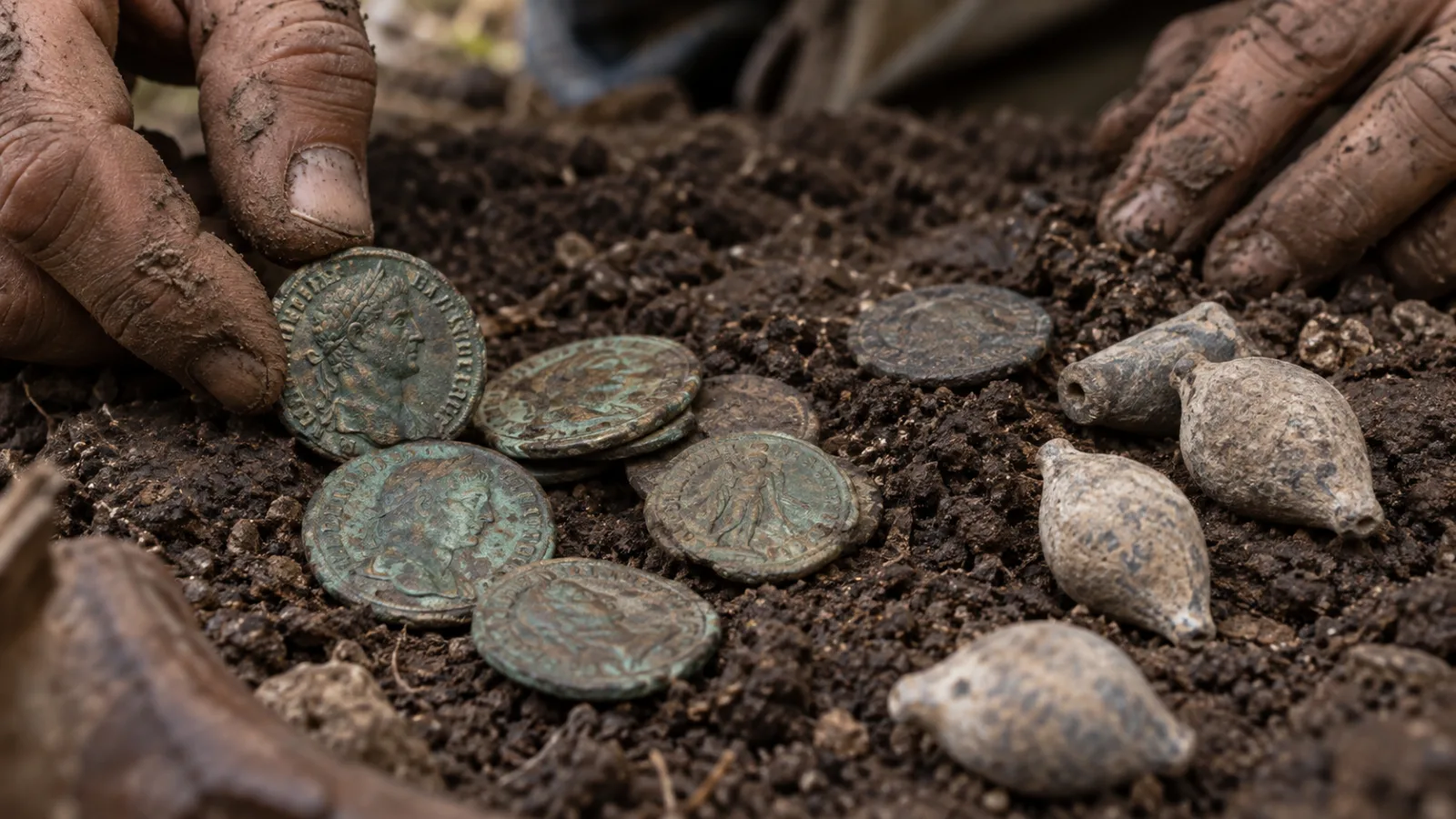
In the mid-1980s, Clunn, a British army officer stationed in Germany with a personal interest in archaeology, began surveying farmland near Kalkriese with a metal detector, working with permission from local authorities. What he found were Roman coins. Then more coins. Then, crucially, small lead sling bullets. These were ammunition, not currency or trade goods. Sling bullets are not something civilians carry, and their presence suggested combat, not commerce.
Clunn brought his findings to professional archaeologists, and by the early 1990s a systematic excavation had begun under the direction of researchers including archaeologist Susanne Wilbers-Rost.
What the Excavations Revealed
What emerged from that hillside over the following years turned a promising lead into one of the most significant confirmed sites in Roman military history. The evidence accumulated in layers, almost literally.
- A turf wall. Archaeologists uncovered remnants of a turf wall running along the base of the ridge, consistent with an ambush structure built to funnel and trap a moving column.
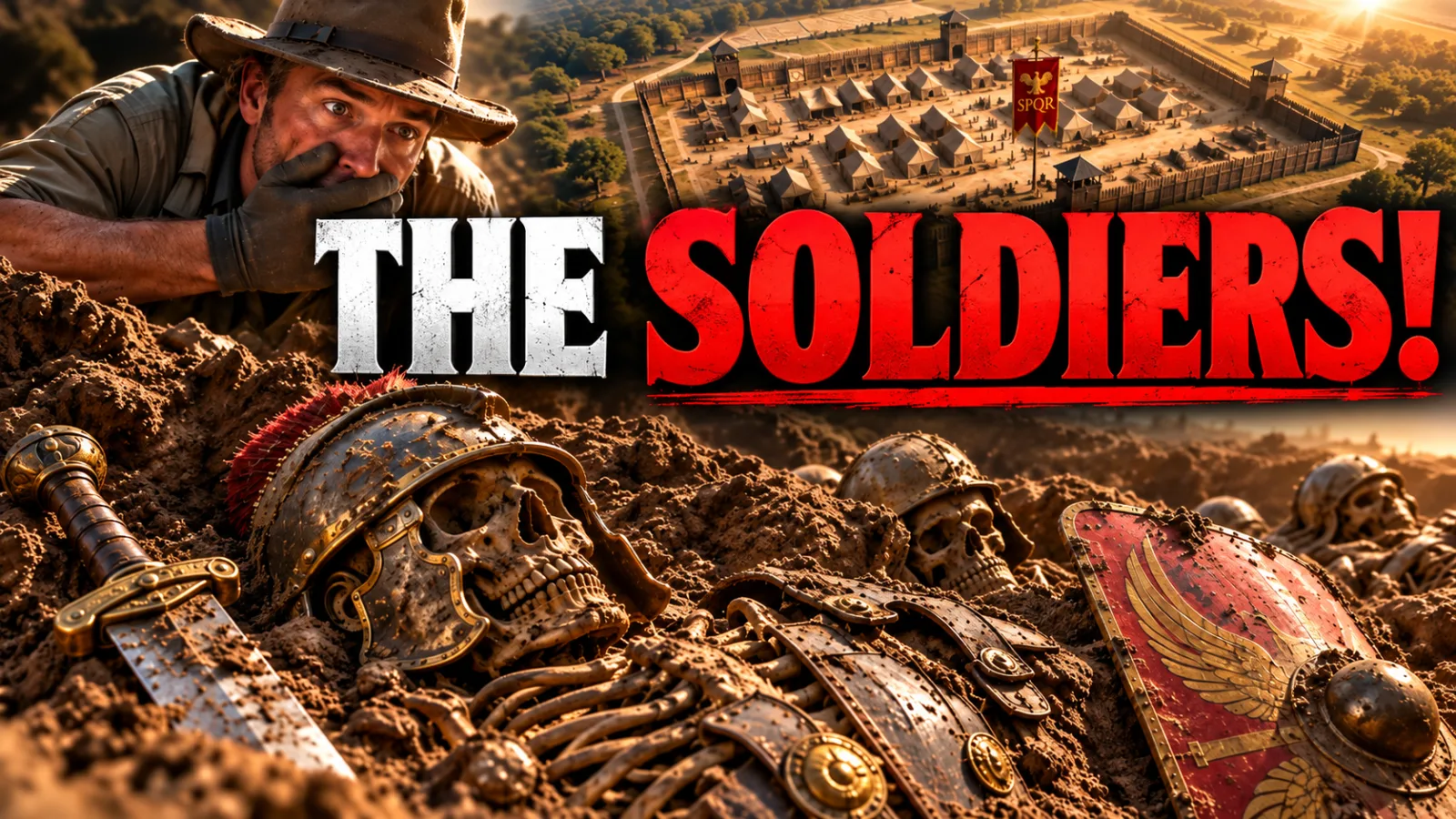
- Roman military equipment. Helmet fragments, armor plating, buckles, and tools lay scattered across a wide corridor.
- Datable coins. Mint marks lined up with the reign of Augustus and the known timeframe of the disaster. One coin bore a countermark specifically associated with Varus's governorship, tying the site directly to his command.
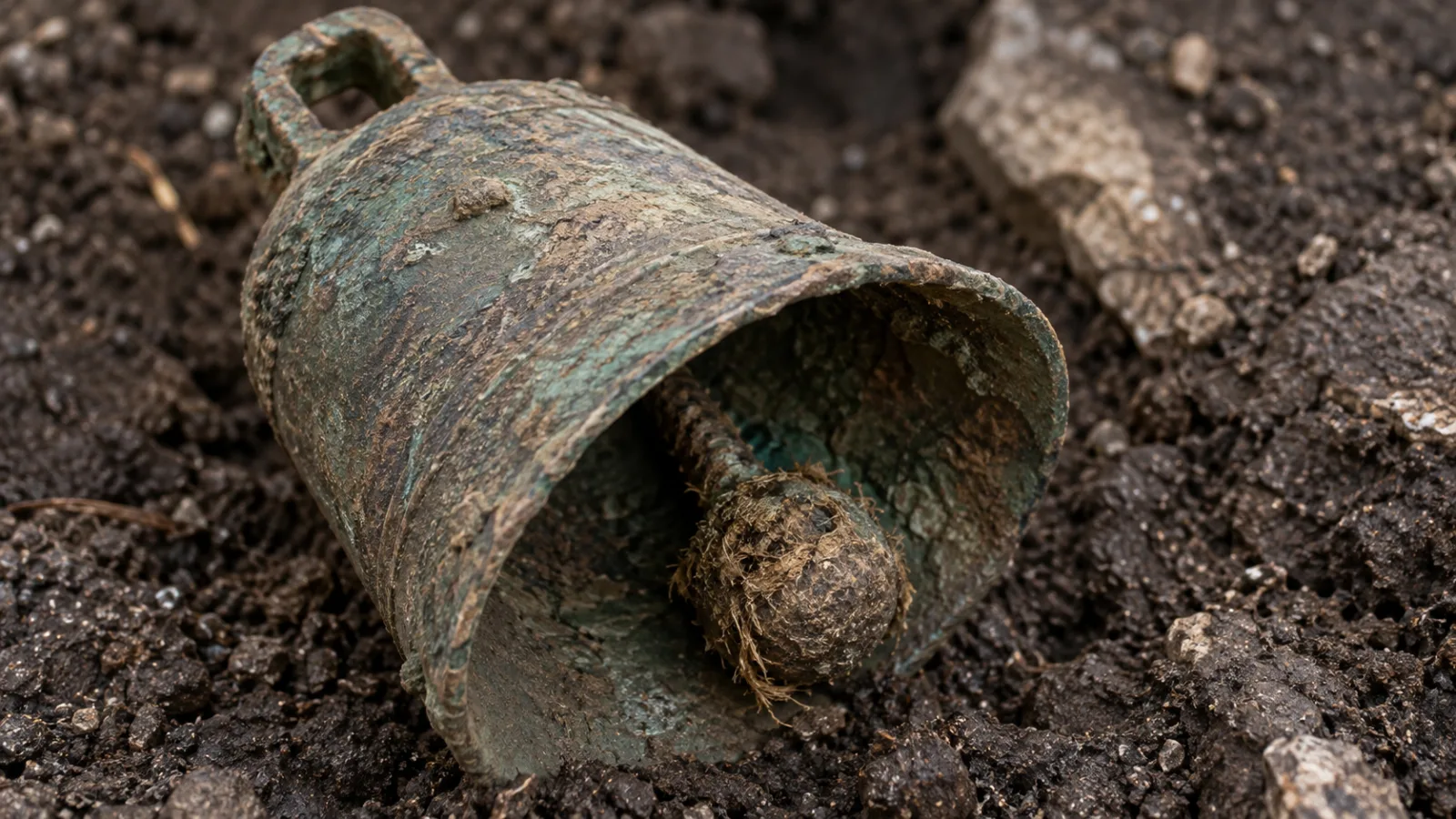
- Silenced mule bells. The clappers had been packed with material to keep the animals quiet.
That last detail tells its own story. Someone, at some point on that march, understood they needed to move without being heard. Whether that silence came too late, the ground doesn't say.
The Burial Pits
And then they found the bones.
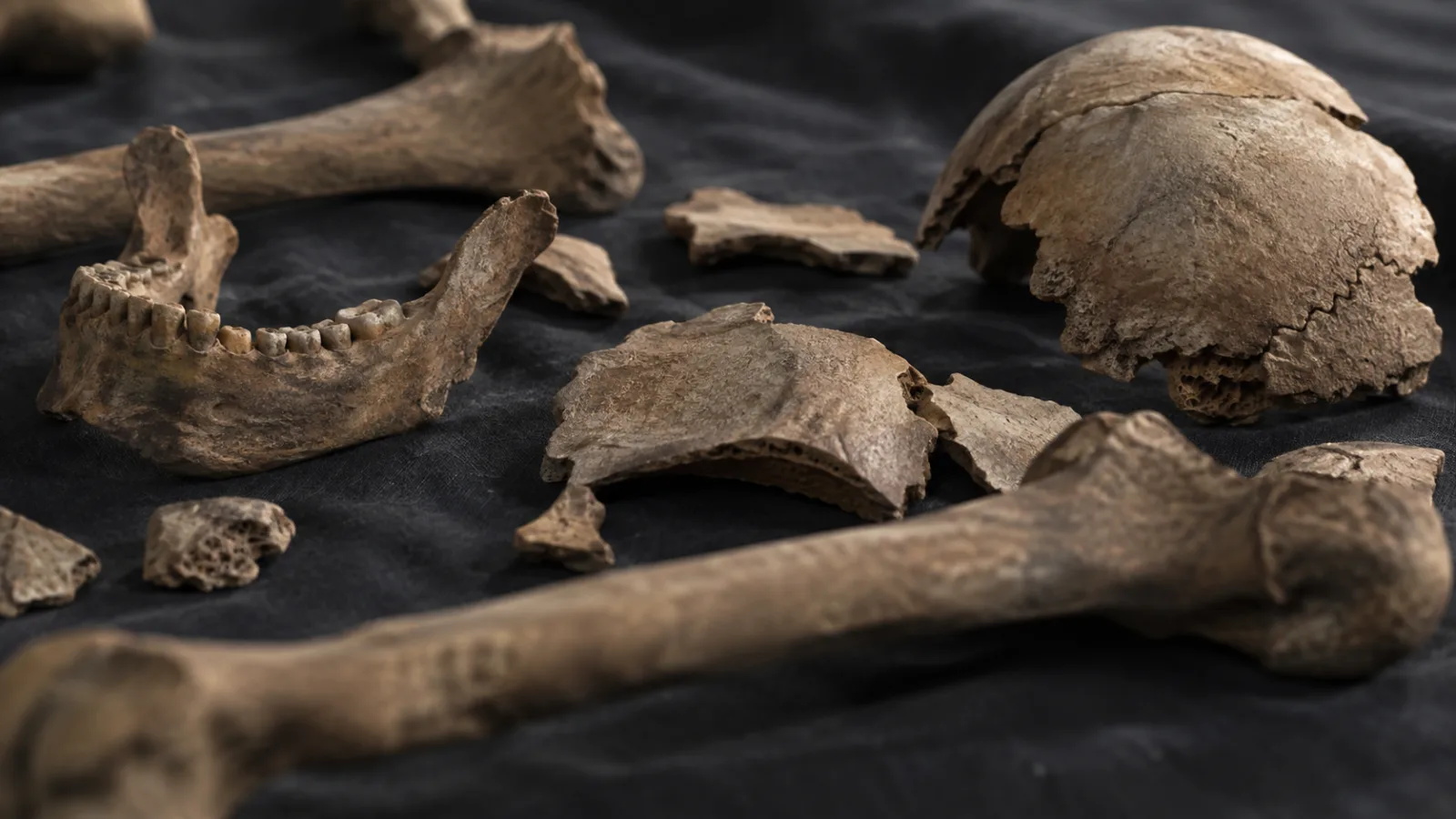
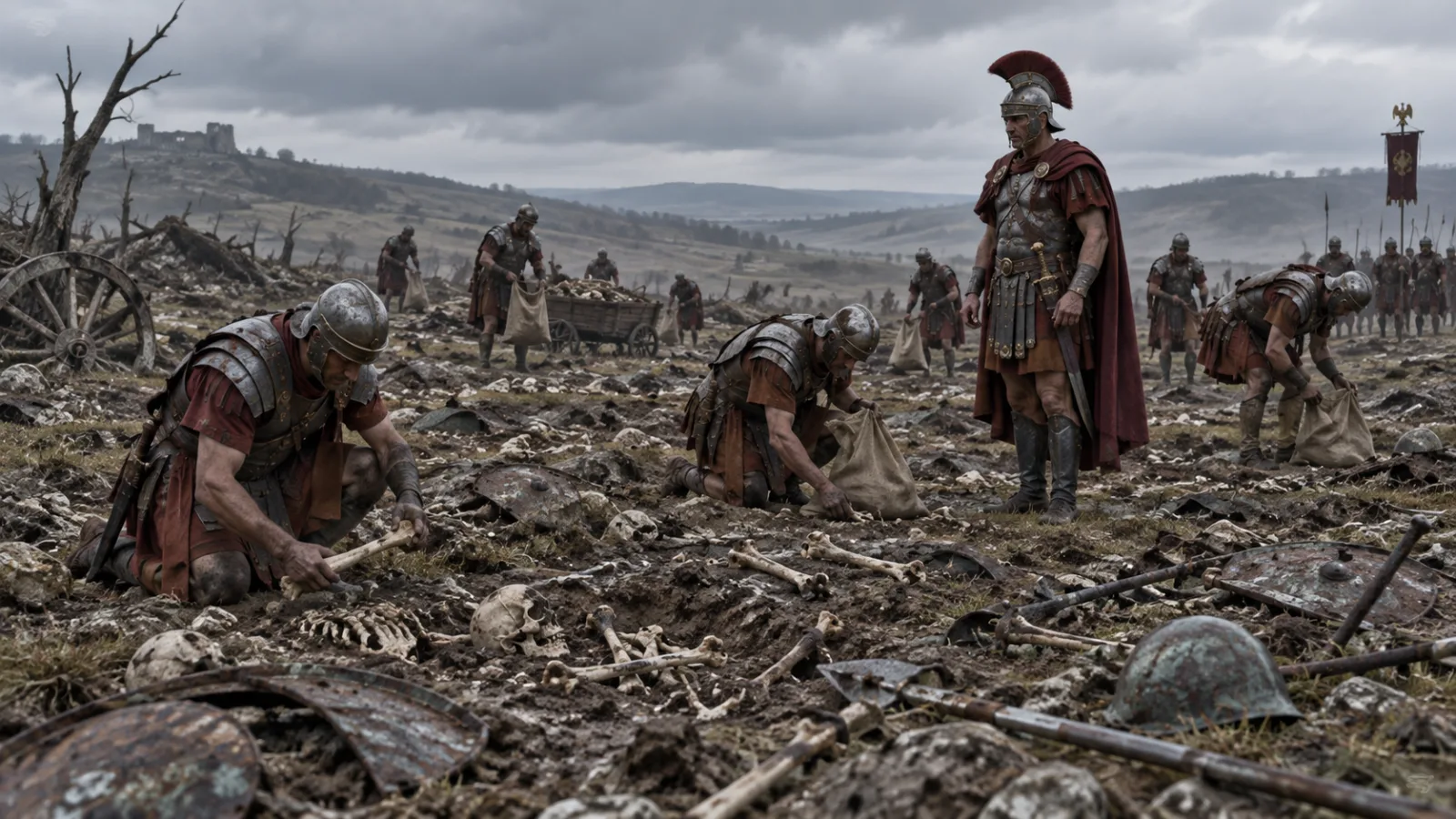
Human and animal remains were recovered from pits scattered across the site, some containing skeletal material that appeared to have been gathered and buried well after the individuals died, exposed to the elements before someone returned to collect and inter them. This detail lines up with an account from the historian Tacitus, describing a Roman commander named Germanicus who marched through the region years later and found the field still littered with bones and broken weapons, ordering his soldiers to bury what remained of Varus's legions.
If the identification is correct, the burial pits at Kalkriese may be the actual outcome of that recorded event: soldiers laid to rest by their own countrymen, years after they fell, on the very ground where the ambush had unfolded.
Taken together, the coins, the weapons, the wall, the silenced bells, and the burial pits form a body of evidence that most historians and archaeologists now regard as convincing. Additional research in 2016 and the years following reinforced the Kalkriese identification, and today it stands as the leading candidate for the site of what Romans called the Varus disaster, more widely known as the Battle of the Teutoburg Forest.
What Historians Still Debate
But convincing is not the same as certain, and this is where the story gets more complicated than a simple discovery narrative.
Some historians have pointed out that ancient authors describe the battlefield in ways that don't perfectly match Kalkriese's geography. The engagement, as described by Cassius Dio, seems to unfold over a larger and more varied landscape than the corridor at Kalkriese alone. A minority of researchers have argued that Kalkriese may represent only part of the broader conflict: perhaps a later stage, a final skirmish, or an associated clash rather than the complete site of the main three-day battle. Under this view, other locations across the region may hold pieces of the same story still waiting underground.
There is also the question of exactly how much of the artifact assemblage reflects combat versus later activity. Roman coins and equipment moved through this region for years after the battle through trade and travel. Archaeologists have had to carefully distinguish battle-related material from later deposits, a process that continues to refine the interpretation of the site.
The Soldiers Without Names
And perhaps the most human uncertainty of all: we don't know most of their names.
Thousands of men died in that column, and the bones recovered from the pits are, for the most part, anonymous. Skeletal analysis can tell researchers about age, general health, occasional signs of trauma. It cannot restore identity to a legionary who marched out of a Rhine fort one autumn morning and never marched back. The Roman historical record preserves the names of commanders: Varus, Arminius, later Germanicus. It does not preserve the names of the soldiers whose remains archaeologists carefully lifted from German soil two thousand years later.
We know, with real confidence now, roughly where they died. We know something of how. The physical evidence at Kalkriese has done what ancient texts alone never could: it turned a legendary catastrophe into a place you can stand on, artifacts you can hold, bones you can study.
What it hasn't done, and what no shovel ever will, is tell us who they were as they waited in that narrow corridor between the ridge and the marsh, in the rain, listening to a forest that had gone suddenly and permanently quiet before the first spear left the tree line.