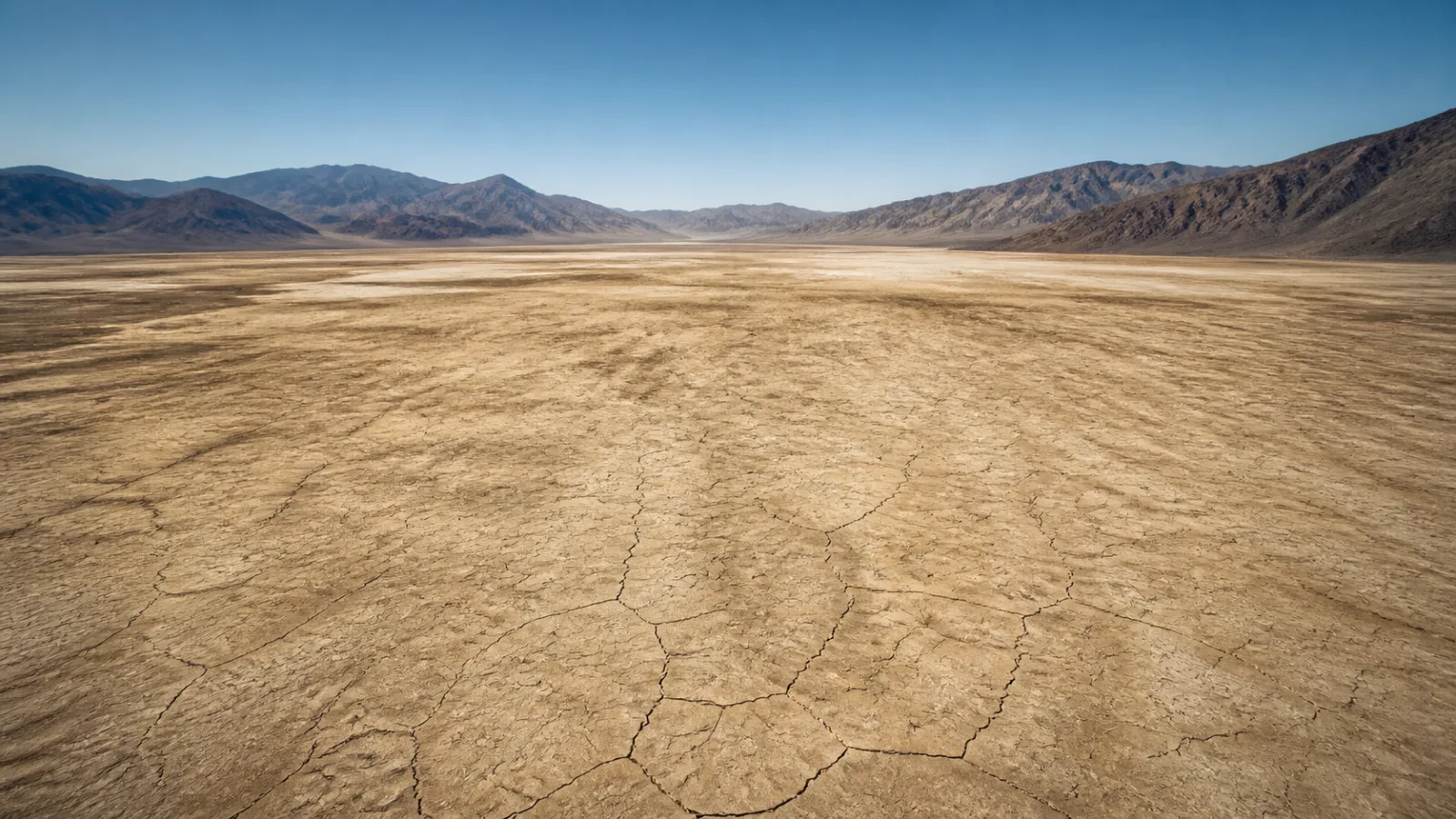
A photograph of the site shows nothing but desert — a dry lakebed stretching toward brown mountains under a punishing Nevada sun. No fences, no buildings, just heat shimmer and dust. Yet drive toward that empty ground on the wrong road, and unmarked trucks carrying armed, unidentified men will appear within minutes, ordering you to turn around.
This is Area 51, a site the U.S. government did not officially acknowledge until 2013, despite more than half a century of speculation from pilots, engineers, and conspiracy theorists. The real story isn't a single secret. It's layers of them — some declassified, some still sealed, and some that may never surface at all.
A Cold War Problem With No Solution
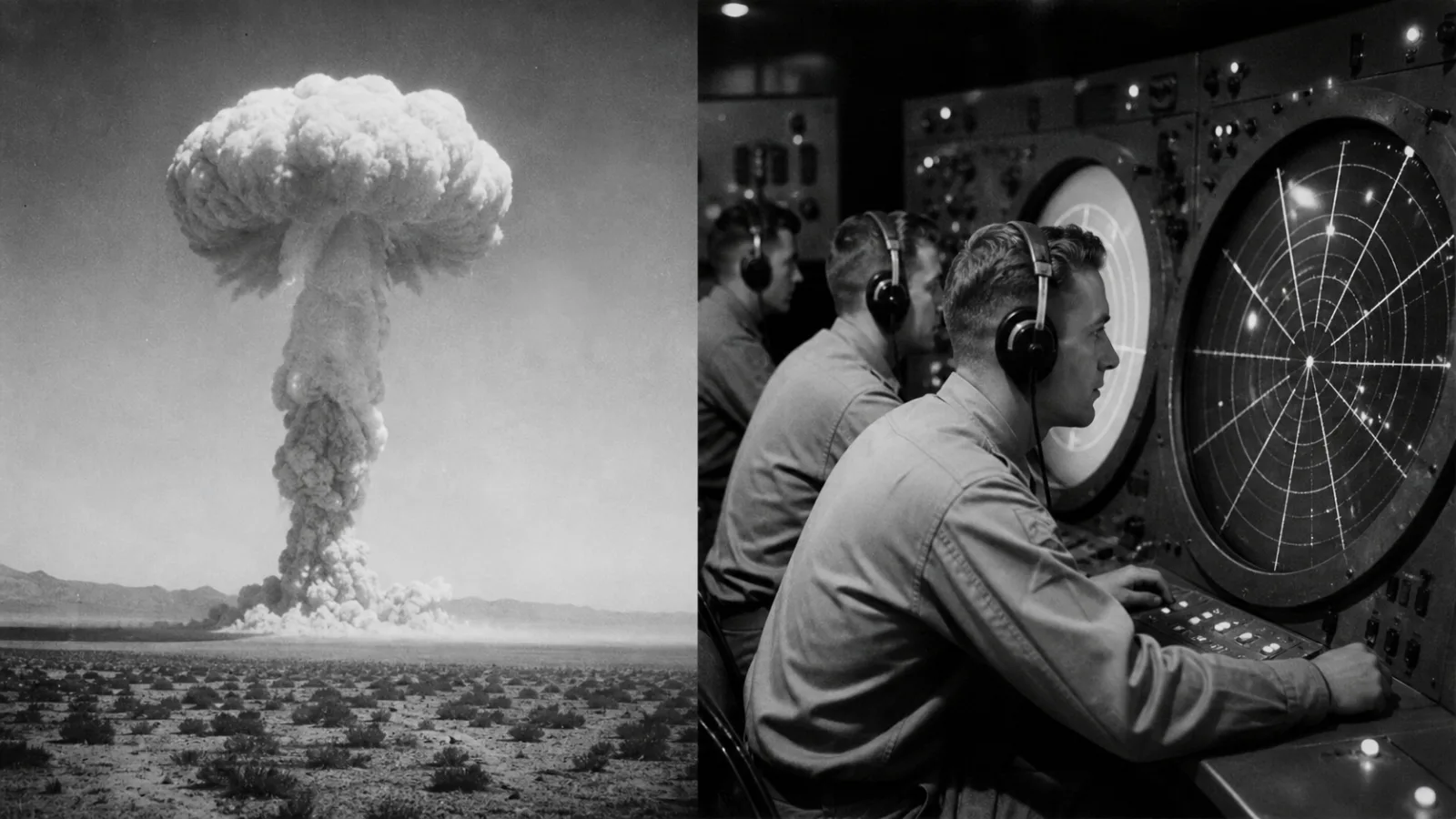
The story begins in 1955, as the Cold War accelerated and the Soviet Union had just detonated its first hydrogen bomb. The United States had no reliable way to see what was happening deep inside Soviet territory. Satellites capable of surveillance didn't yet exist, and existing aircraft couldn't fly high or far enough to photograph missile sites without being shot down.
The CIA turned to Lockheed's secretive engineering division, known as Skunk Works, and its chief designer, Kelly Johnson. Johnson proposed the U-2, a glider-like aircraft built to cruise above 70,000 feet — higher than any Soviet interceptor or missile of the era could reach.
How a Grid Square Became a Legend
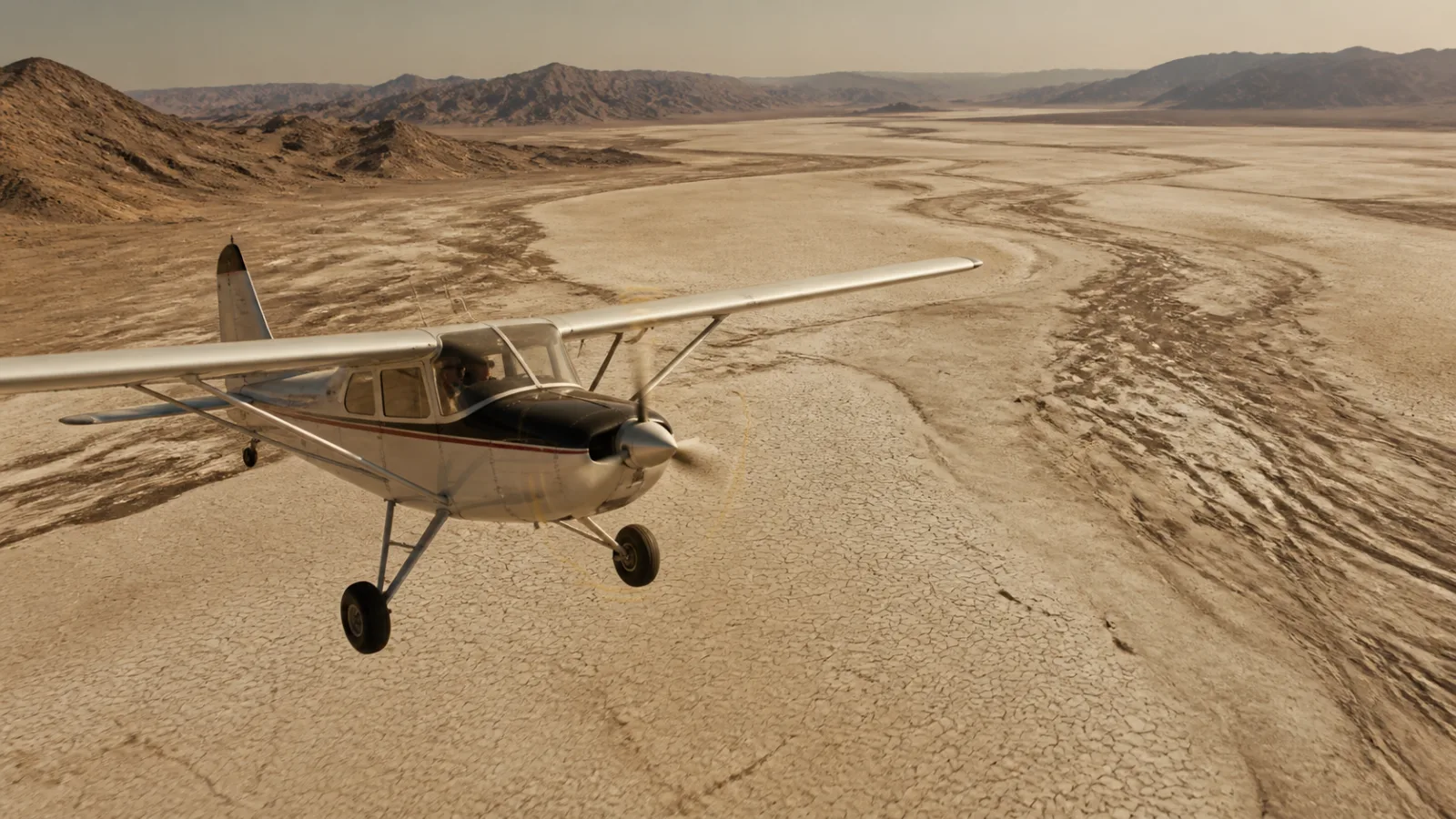
Such an aircraft needed a testing ground that was flat, remote, and free of witnesses. Johnson's team scouted the American Southwest and found Groom Lake, a dry lakebed inside federal land already used for nuclear testing in the high desert north of Las Vegas.
The government quietly annexed the surrounding land in 1955. On existing maps, the region was divided into numbered parcels tied to the nearby Nevada Test Site, and the Groom Lake parcel happened to be designated Area 51. The name wasn't cryptic or symbolic — it was simply bureaucratic, a grid square that would go on to become one of the most mythologized place names in American history.
Construction moved quickly. Within weeks there was a runway, and within months the U-2 was flying test missions, watched only by a small number of engineers and Air Force personnel operating under strict compartmentalized secrecy, a system where even colleagues working nearby often didn't know what each other were doing.
Decades as America's Premier Test Site
Area 51 wasn't built once and abandoned — it became the country's leading flight test site for advanced, classified aircraft for the next four decades.
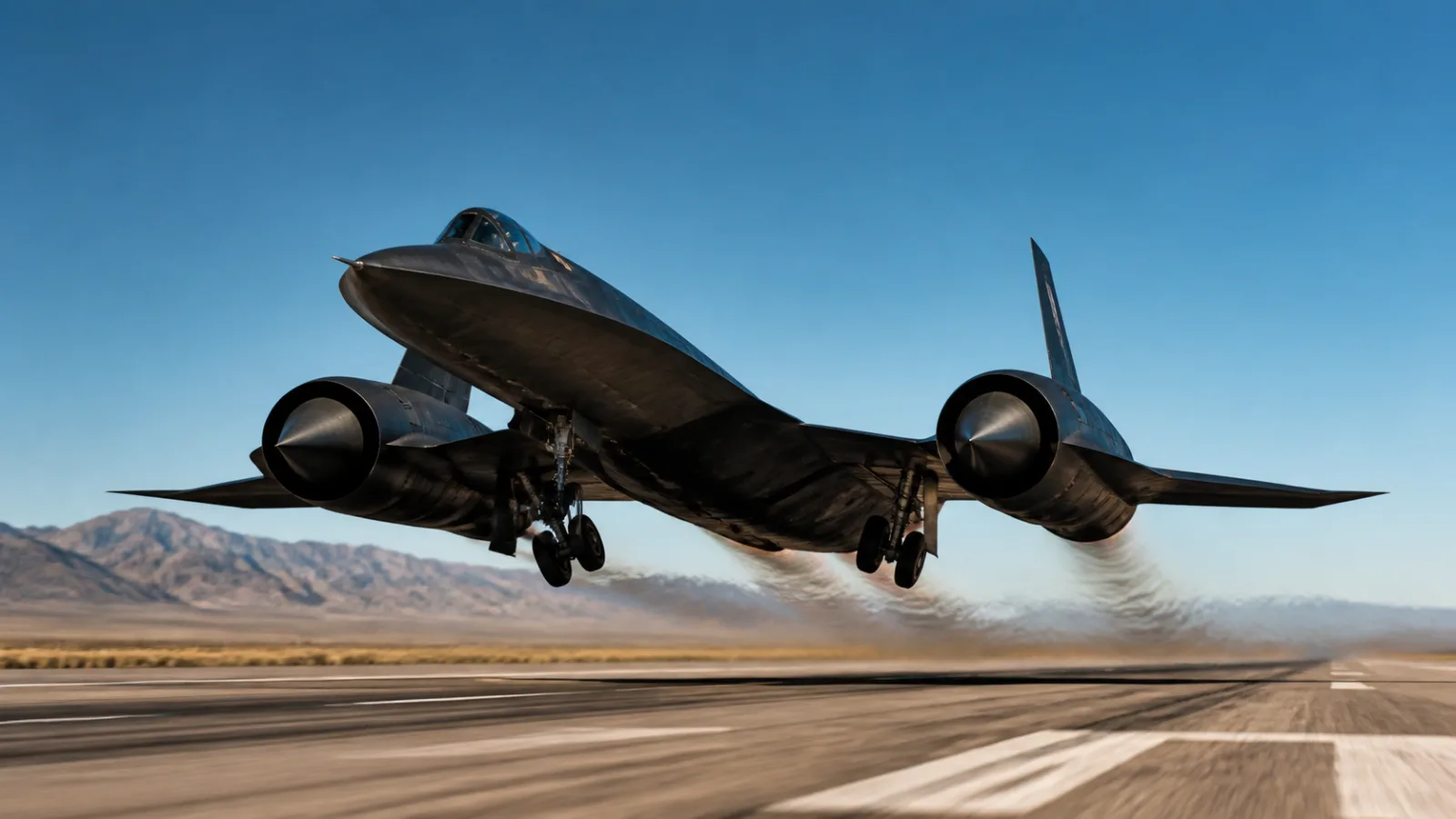
After the U-2 came the A-12 and its more famous successor, the SR-71 Blackbird, an aircraft capable of outrunning surface-to-air missiles by simply accelerating away and which still holds speed records for a manned, air-breathing aircraft. Both were tested extensively at Groom Lake through the 1960s.
In the 1970s and 1980s, the base's role expanded further. Engineers used it to test captured and acquired Soviet fighter jets in mock combat, studying their strengths and weaknesses under a program so sensitive that pilots involved were barred from discussing it for decades.
This is also where stealth technology was born. The Have Blue prototype, and later the F-117 Nighthawk, flew their earliest test flights above Groom Lake under extraordinary secrecy. For years the Air Force didn't merely decline to comment on the F-117 — it denied the aircraft existed, even as residents across the Nevada desert reported strange angular black jets and unexplained sonic booms at night.
Real Technology, Wrapped in Flat Denial
That pattern — genuine, revolutionary technology hidden behind official denial — is the central fact of Area 51's history. For most of its existence, the secrecy wasn't about hiding something otherworldly. It was about protecting a multi-billion-dollar technological edge over the Soviet Union during a war that could have turned nuclear.
But secrecy has a side effect: when an institution refuses to explain anything, people fill the silence themselves. Nowhere did that happen more dramatically than with the claims of a physicist named Bob Lazar.
Bob Lazar and the Birth of a Modern Legend
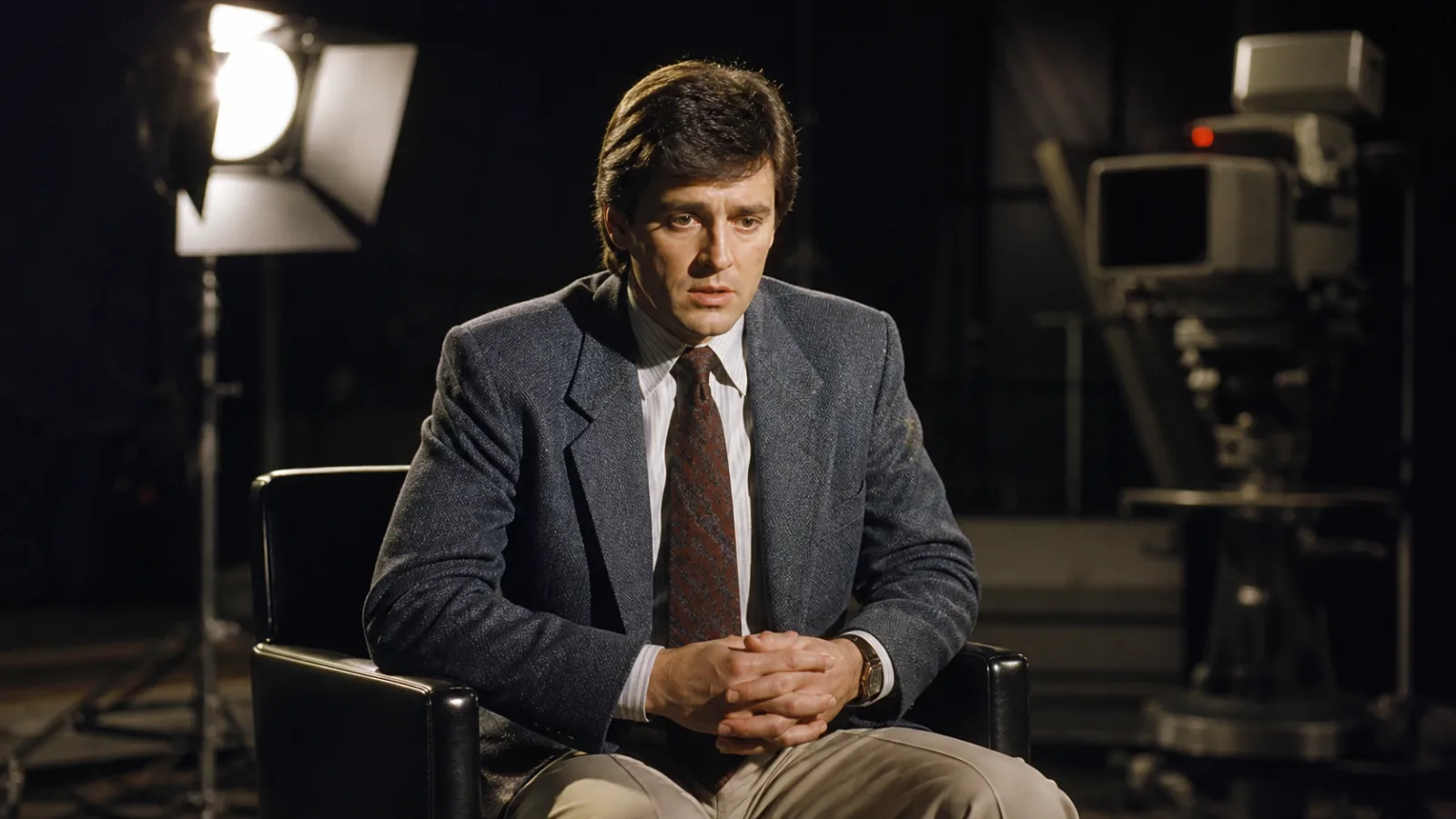
In 1989, Lazar appeared on a Las Vegas television broadcast claiming he had worked at a site near Area 51 called S-4, reverse-engineering the propulsion systems of extraterrestrial spacecraft supposedly recovered by the government. He described exotic power sources and gravity-manipulation technology far beyond anything publicly known.
His claims were never verified. Reporters could not confirm his stated academic credentials at MIT or Caltech, and no independent documentation has surfaced to support the employment history he described. The government has never confirmed any part of his account. Yet the story didn't fade — it fused with decades of prior UFO sightings in the Nevada desert and cemented Area 51's modern pop-culture identity as an alien research facility rather than an aircraft test site.
The Mundane Explanation for the Sightings
There's a well-documented, far less exotic reason so many people reported strange aircraft over that stretch of sky for decades. Pilots testing the U-2, the A-12, and later stealth aircraft were flying vehicles with radical shapes, unusual lighting, and flight characteristics the public had never encountered. Declassified CIA histories have acknowledged that a significant share of Cold War-era UFO reports across the United States can be traced directly to secret test flights of experimental aircraft.
This doesn't account for every sighting near the base, but it does reveal a feedback loop: classified test flights generated strange sightings, and official silence about those flights fueled decades of speculation the government refused to correct — because correcting it would have meant admitting the aircraft existed.
Extreme Security, Extensively Documented
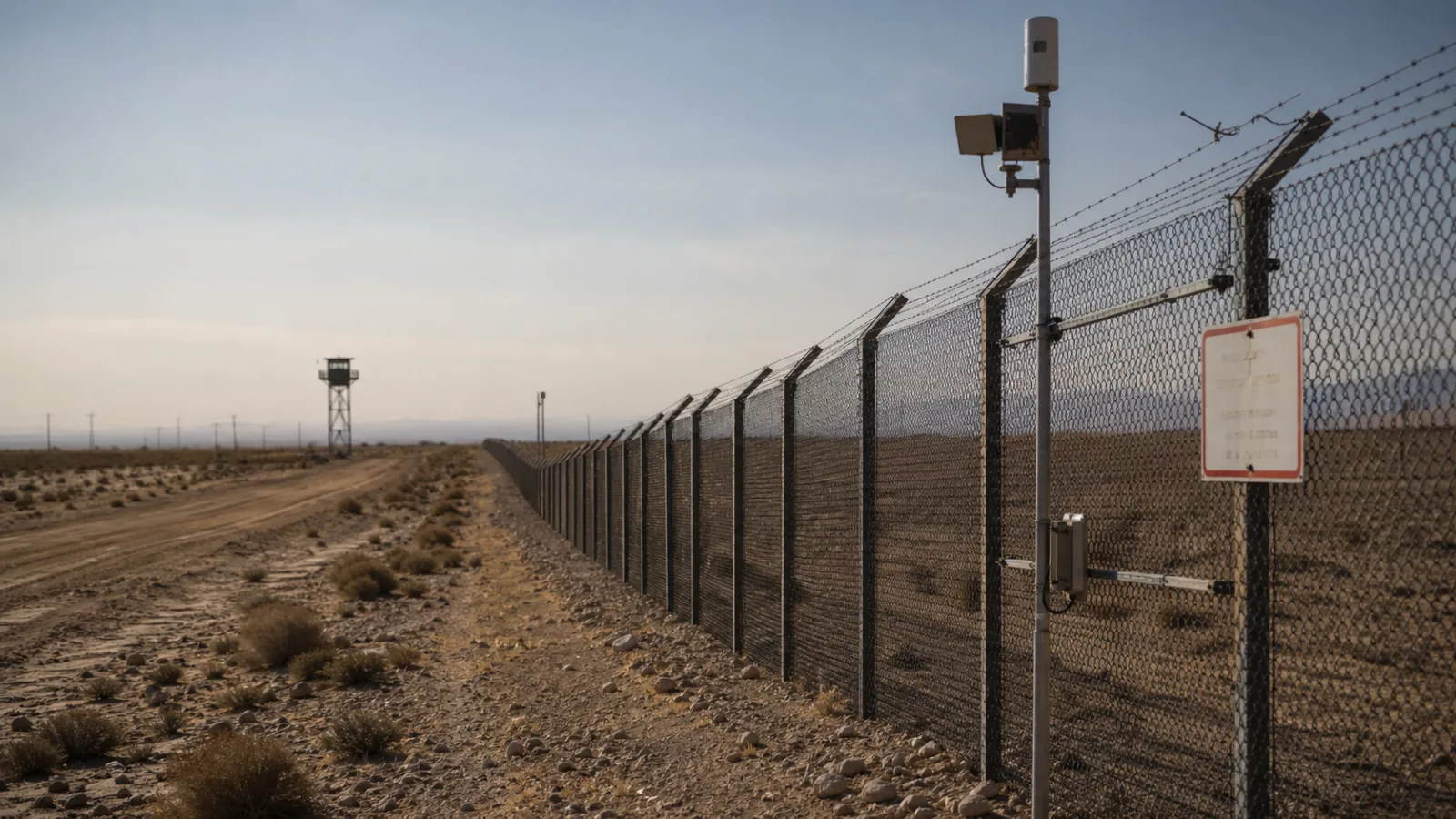
Area 51's physical security is well documented and tells its own story. The base is ringed by motion sensors, cameras, and restricted airspace so heavily enforced that pilots are authorized to shoot down unauthorized aircraft entering it, a designation shared by very few places on Earth. Armed private security contractors, sometimes called "cammo dudes" by locals, patrol under Air Force authority, and warning signs along the perimeter state plainly that deadly force is authorized. People have been detained, fined, and prosecuted for stepping past markers on public roads bordering the site.
A Lawsuit the Government Fought to Keep Sealed
For decades, the government wouldn't even confirm the base's name in court. In a 1996 lawsuit brought by former workers who alleged exposure to toxic chemicals from open-air burning of hazardous waste at the site, federal officials fought to avoid acknowledging Area 51 existed at all, citing national security. A presidential exemption ultimately shielded the Air Force from disclosing its environmental practices there. The workers' illness claims were never fully resolved in open court, and much of what happened environmentally on the base remains undisclosed.
The 2013 Declassification
Official acknowledgment finally arrived in 2013, when the National Security Archive at George Washington University obtained a declassified CIA history of the U-2 program through a Freedom of Information Act request. Buried in its pages, matter-of-factly, was the phrase "Area 51" — the first time those words had appeared in an official public document. It confirmed what many had long suspected: the base was real, its purpose had always centered on aircraft development, and it had nothing to do with extraterrestrials.

What Still Isn't Known
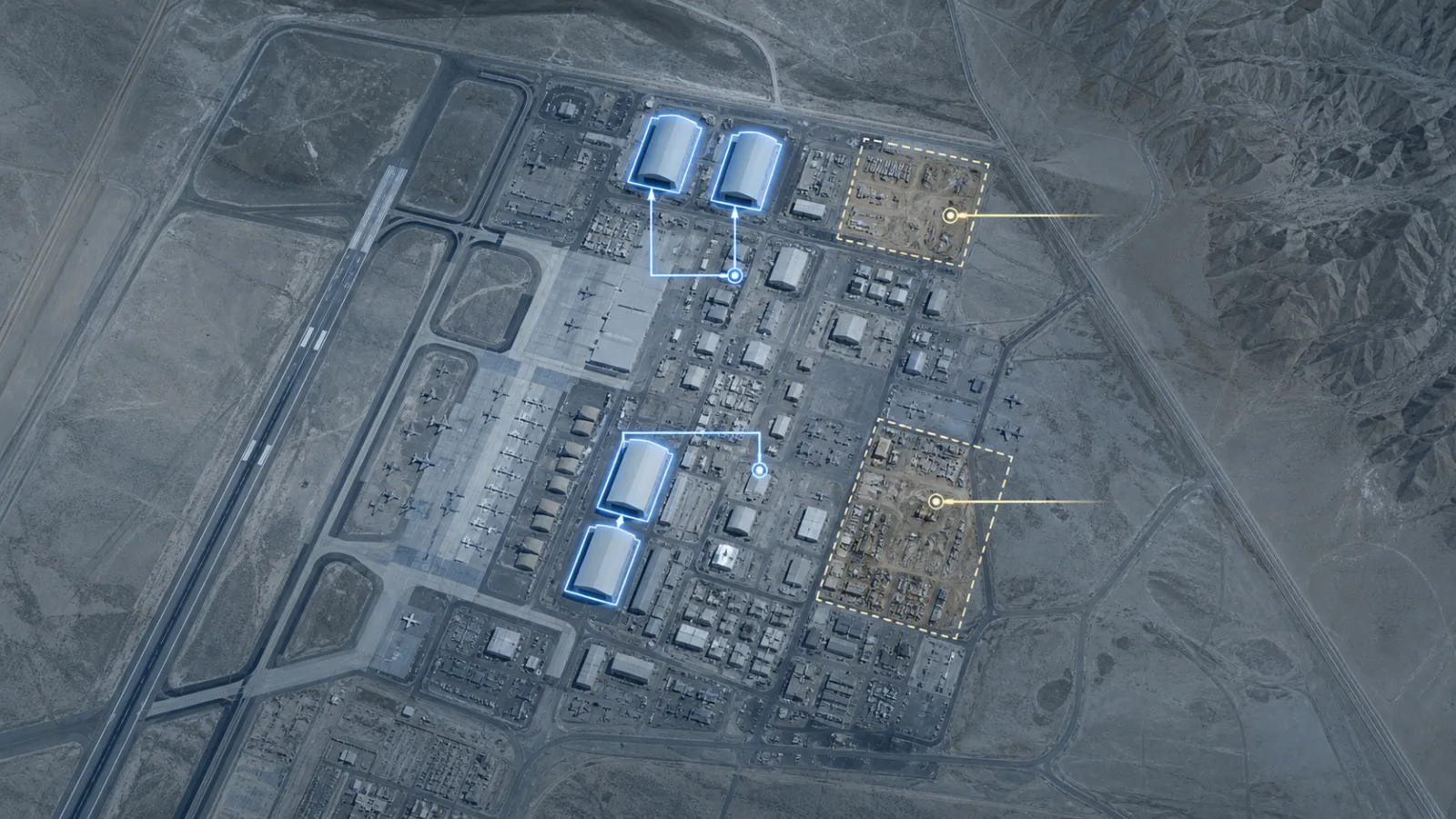
The base remains active today, and its current programs are, by design, unknown to the public. Satellite imagery shows new hangars, expanded runways, and continued construction over the years. Analysts can only speculate about what's being tested — advanced drones and next-generation aircraft are likely candidates, consistent with the base's documented history — but speculation is all outside observers can offer, since the same compartmentalized secrecy that once protected the U-2 and stealth bomber protects whatever comes next.
The environmental questions from the 1996 lawsuit were never fully answered either. What exactly was burned in those open pits, and what it may have done to the people who worked there, remains largely classified.
And Bob Lazar's claims were never conclusively disproven — only never proven, since the government's blanket secrecy ensured no independent investigator could ever fully test them. That may be Area 51's real legacy: a secrecy so total and long-lasting that even after the lies are corrected, the space where they lived never quite empties out.
Even the 2013 declassification left one detail untouched: somewhere inside that base, right now, sits a program with a name no outsider has ever heard, protected by the same wall of silence that once hid the Blackbird and the stealth fighter. The public typically learns what Area 51 was hiding only decades after it stops mattering — which means whatever is flying above that dry lakebed tonight likely won't be declassified in our lifetime, if ever.