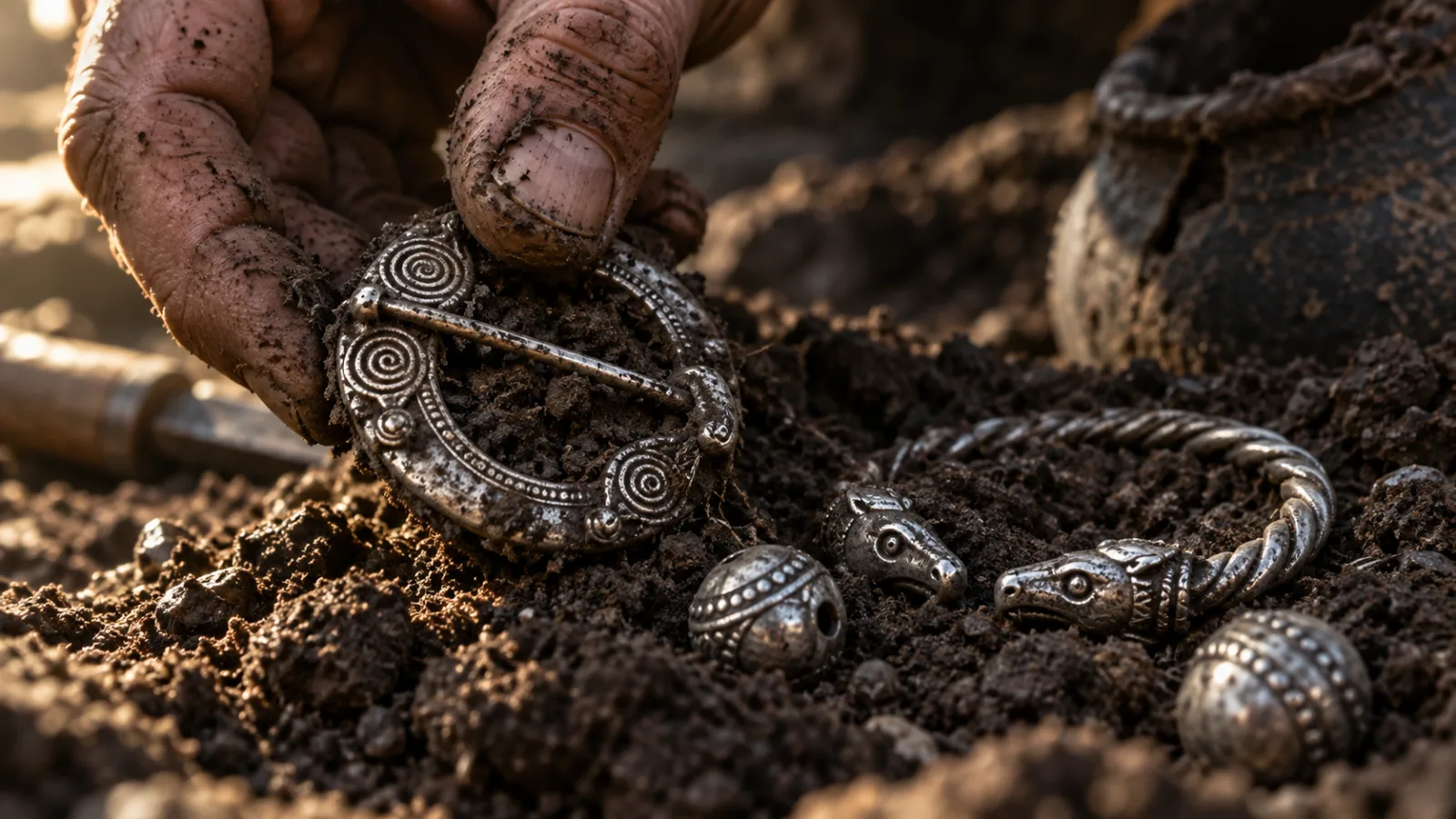
A homeowner in Rebild, northern Denmark, was doing nothing more adventurous than preparing his garden for a new tiled patio. He wasn't hunting for treasure, wasn't using a metal detector, and wasn't an archaeologist. About half an hour into digging, his garden fork struck something that made a strange sound.
At first, the objects pulled from the soil didn't look like much — fragments that could have passed for old pottery or scraps of buried wire. But as he cleared the dirt away by hand, more and more metal emerged: jewelry, coins, and solid silver bars. What began as a weekend landscaping project had uncovered one of the most remarkable Viking discoveries ever made in Denmark.
An Ordinary Backyard Hides an Extraordinary Fortune
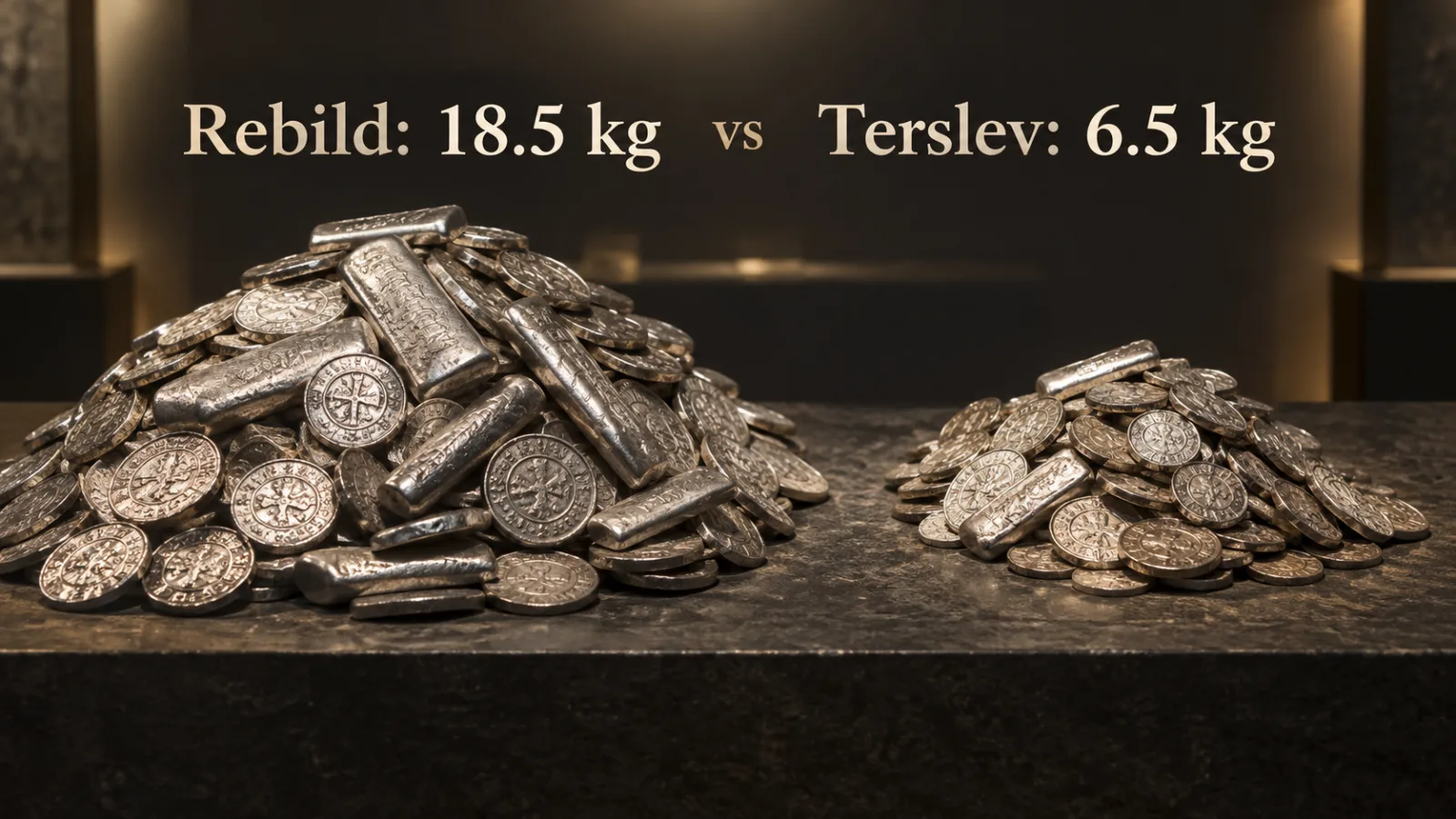
Archaeologists from North Jutland Museums were called in to assess the find, and what they confirmed was staggering. The hoard contained roughly 700 individual silver objects and fragments, together weighing about 18.5 kilograms — more than 40 pounds of silver.
That makes it the largest known Viking Age silver hoard ever discovered in Denmark, and by a wide margin. The previous record holder, the Terslev hoard, weighed roughly 6.5 kilograms. The Rebild treasure is nearly three times heavier.
What Was Buried Inside
The hoard wasn't a random jumble of valuables. It included:
- Silver bars
- Bracelets and other jewelry
- Pieces of silver deliberately cut apart
- Forty-seven complete coins and coin fragments
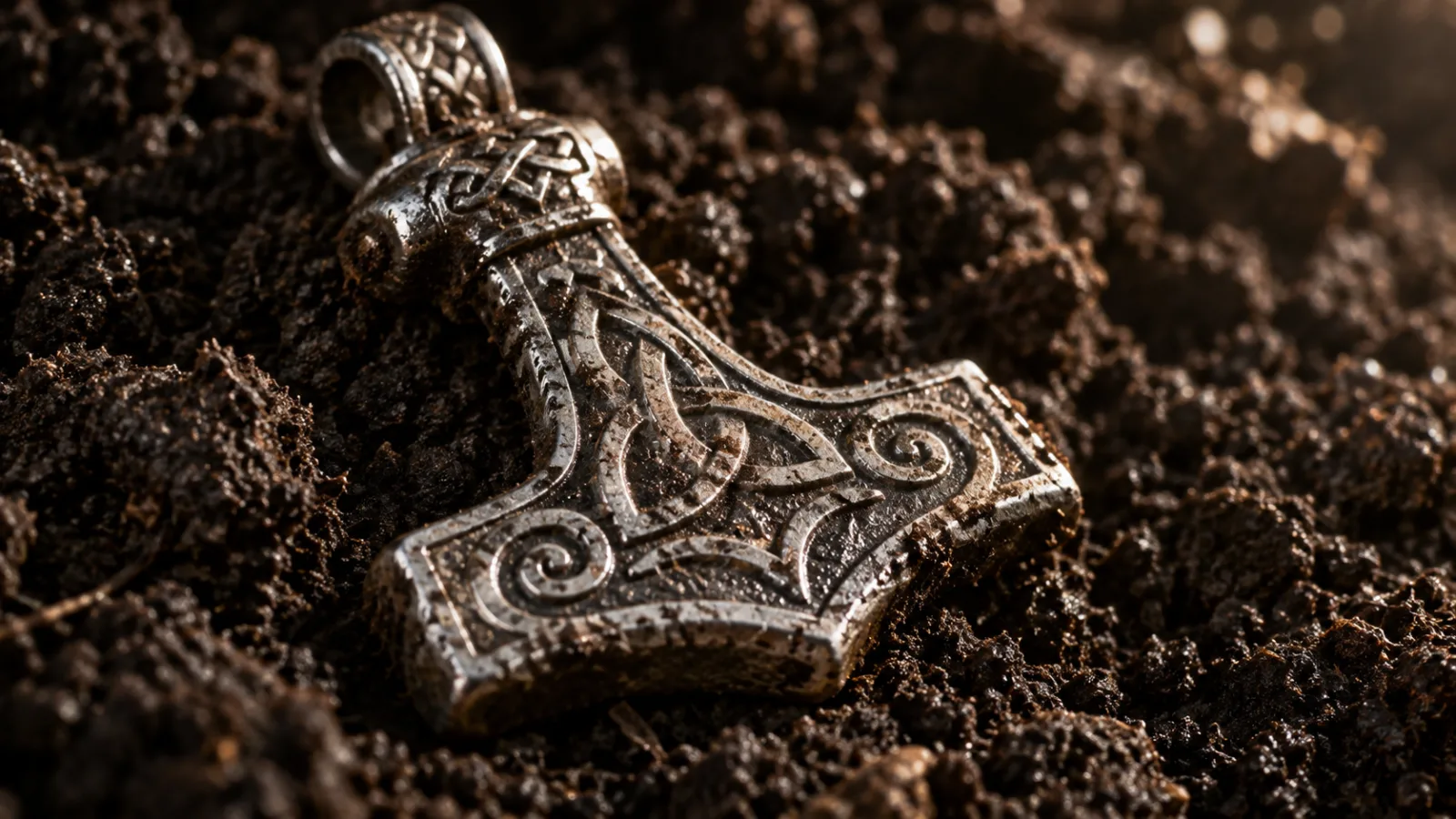
- A small silver Thor's hammer pendant
The Thor's hammer stands out as an unmistakably Viking object. Pendants shaped like Thor's hammer are closely associated with Norse belief and with ideas of protection, suggesting the silver may have held meaning beyond simple monetary value for whoever buried it.
Coins From England and the Islamic World
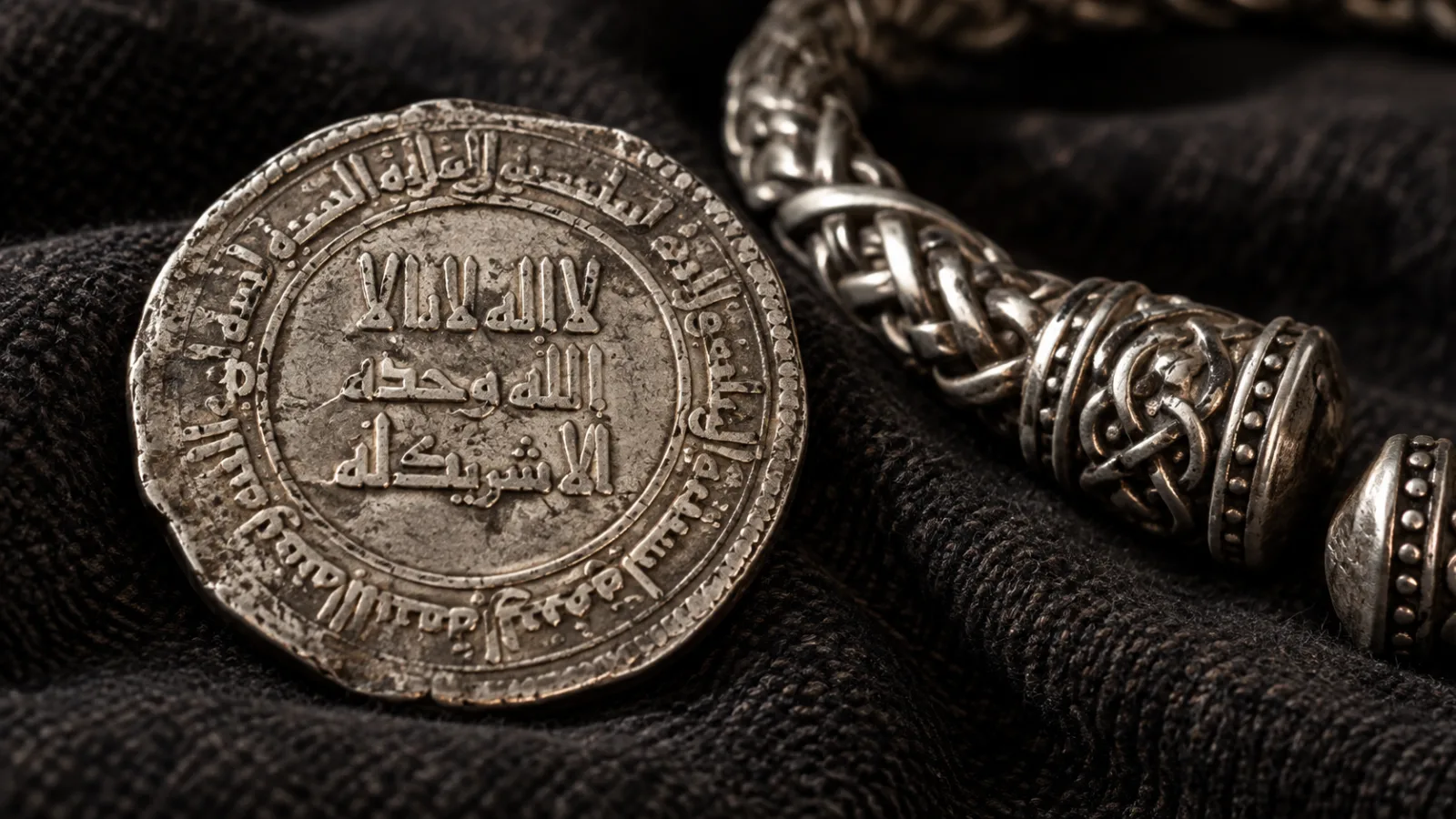
Among the coins were Anglo-Saxon pennies from England, including two minted during the reign of Edward the Elder, who ruled from 899 to 924. The hoard also contained Islamic coins — silver that had traveled an enormous distance before ending up buried in a Danish garden.
This single container connects northern Europe, England, and lands far to the east, offering physical evidence of just how far Viking Age trade networks actually reached. The popular image of Vikings as raiders — longships landing on foreign shores, attacks on monasteries and settlements — is only part of the story. They were also merchants, travelers, and craftsmen operating within an international trading system that moved silver across vast distances.
Hacksilver and the Weight-Based Economy
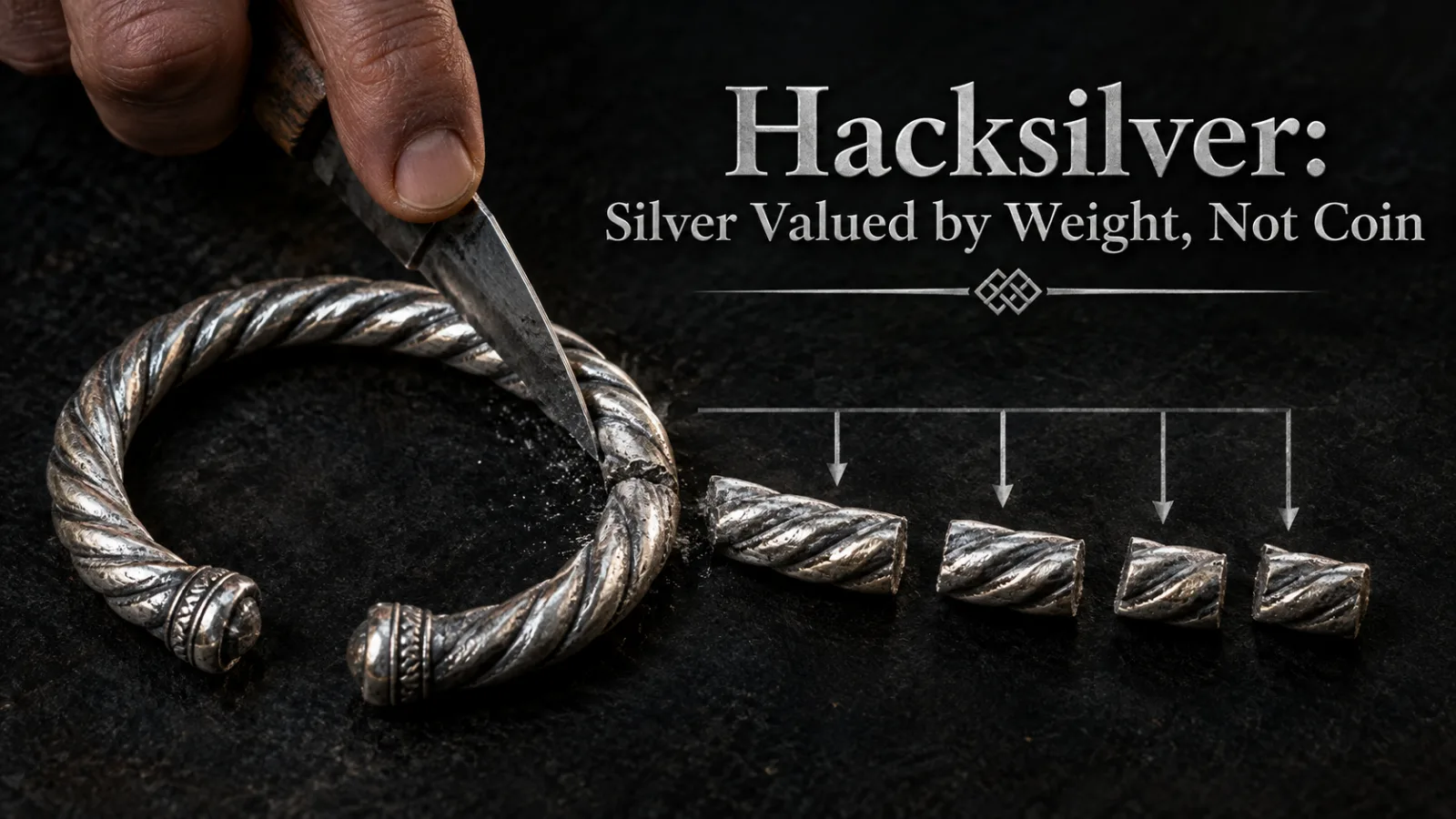
Unlike modern currency, the value of Viking Age silver often wasn't tied to what was stamped on a coin. What mattered was weight. A foreign coin, a bracelet, or a silver bar could all be valuable, and if an object was too large for a given transaction, a piece could simply be cut off. This practice is known as hacksilver.
When archaeologists studied the individual pieces in the Rebild hoard, they noticed that much of the silver — the bars, some of the bracelets, even the fragments — fell into specific weight groups. This wasn't a haphazard collection. There was structure and organization behind it.
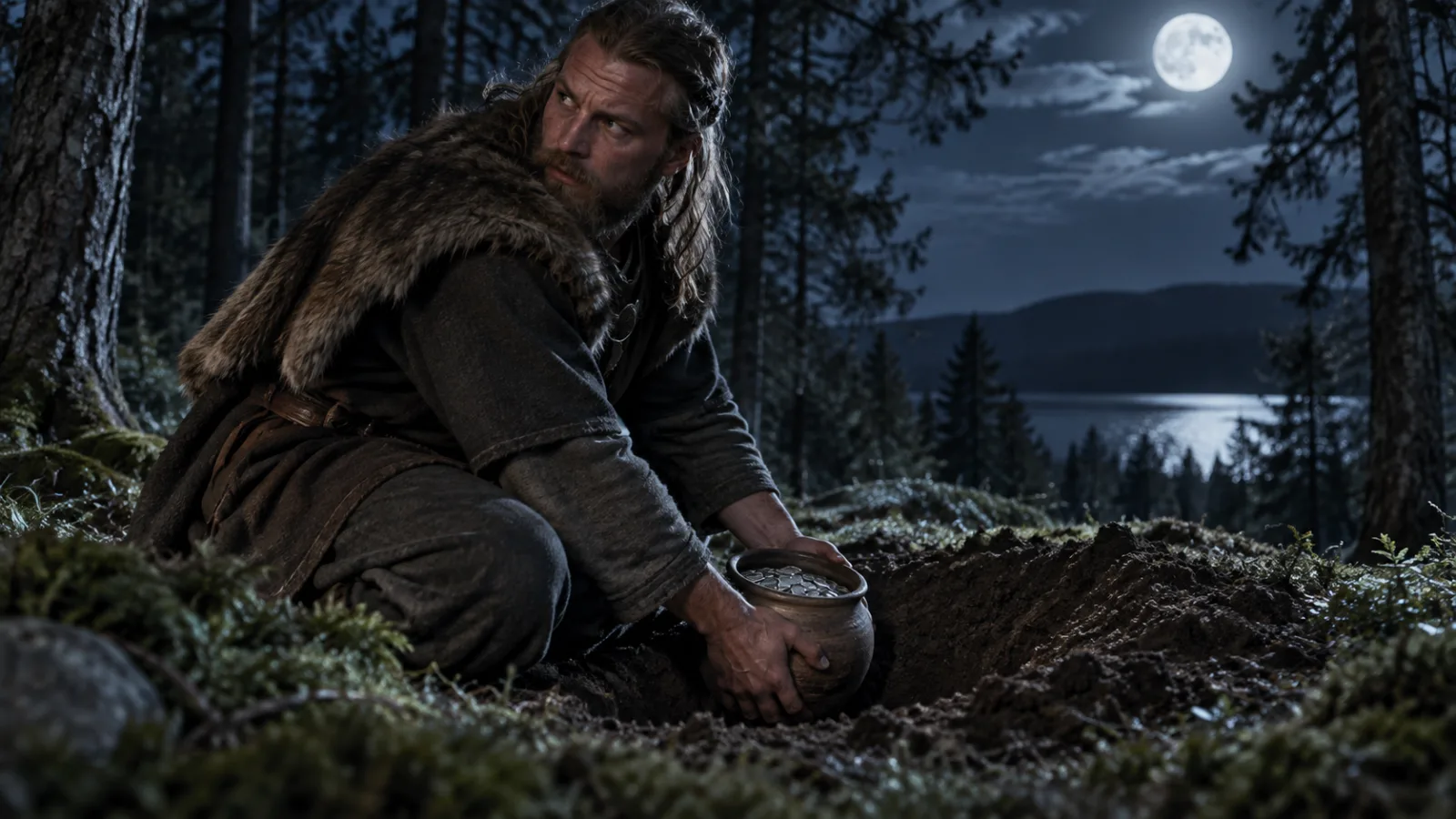
Torben Sarauw, an archaeologist and cultural heritage manager with North Jutland Museums, compared the find to a Viking Age safe. Someone had built up an enormous reserve of wealth, gathered it together, placed much of it inside a clay vessel, and buried it. About 320 objects, weighing more than 6 kilograms, were still inside that original clay container when archaeologists reached the site; other pieces had scattered through the surrounding soil.
A Name Scratched in Runes
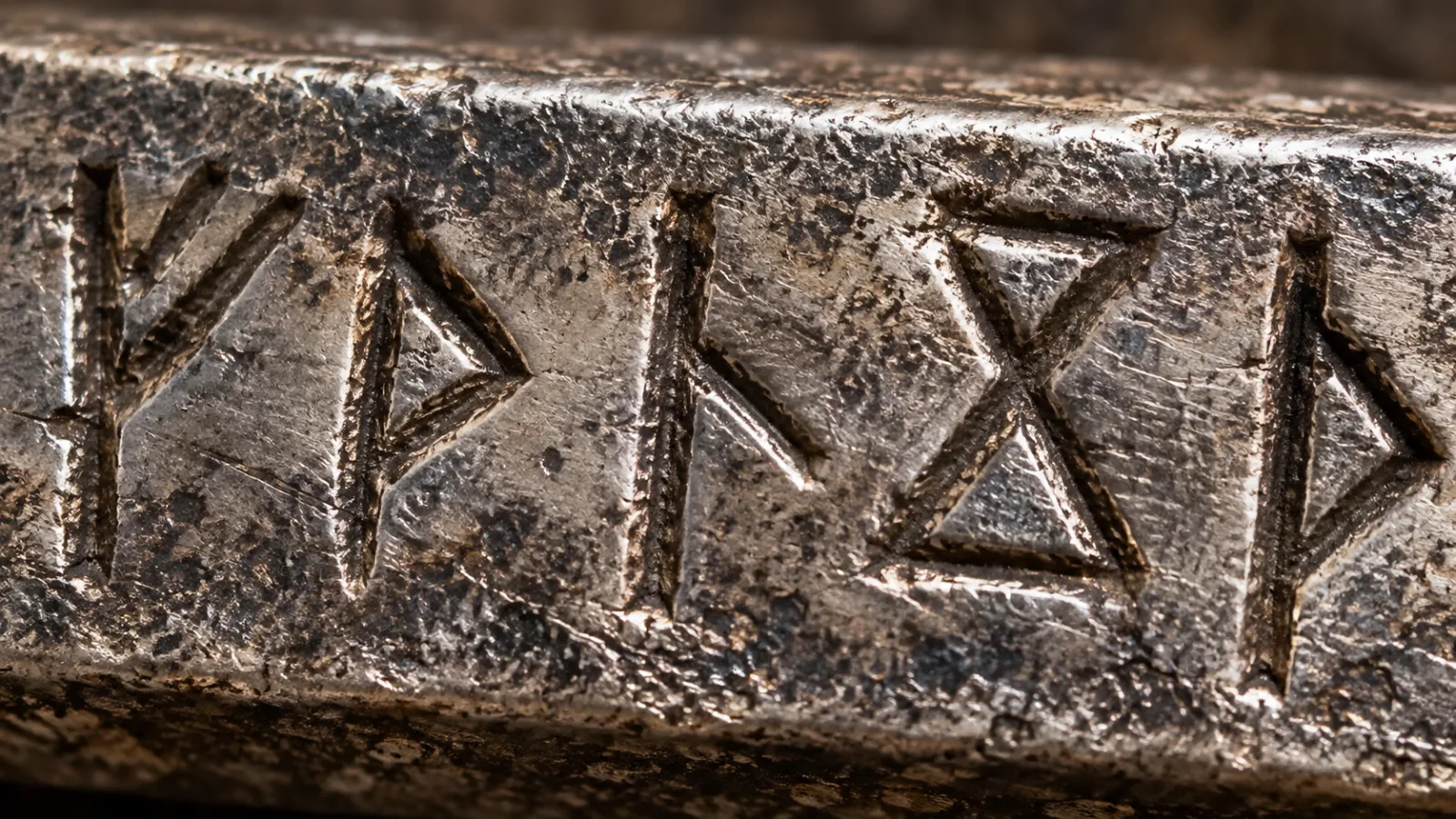
One silver bar carries a runic inscription that researchers have read as possibly resembling "Hutu." What it means isn't certain — it could be a person's name, an ownership mark, or something else entirely. But it may be the closest thing we have to identifying the individual who once owned this treasure.
Dating the Hoard to a Pivotal Century
The Anglo-Saxon coins date to the early tenth century, allowing researchers to place the burial sometime in the 900s. This was a period of major transformation in Denmark. Viking rulers were consolidating power, and trade routes linked Scandinavia with England, continental Europe, and the Islamic world. Later in the century, Harald Bluetooth would help unify Denmark and steer the kingdom toward Christianity.
The small Thor's hammer pendant is a reminder that older Norse beliefs hadn't disappeared even as Christianity began to spread and wealth moved more freely across borders.
Why Was It Buried — and Never Recovered?
The central mystery of the discovery remains unresolved. If the hoard functioned as a kind of safe, the simplest explanation is protection — there were no banks in Viking Age Denmark, so hiding a fortune underground and remembering the spot was a practical strategy used throughout history.
But whoever buried this silver apparently never returned. They may have died, been killed, been driven away, or found that circumstances changed too quickly to allow a safe return.
There's also a less straightforward possibility. Viking Age Scandinavia had traditions of depositing valuables for reasons that weren't purely financial, and offerings could carry religious or symbolic weight. The presence of the Thor's hammer adds an intriguing layer to this idea, though on its own it doesn't prove the hoard was a ritual deposit rather than a hidden fortune.
Archaeologists also don't know what surrounded the burial site a thousand years ago — whether there was a nearby settlement, whether it sat beside an old road, or whether the location was chosen specifically because it was remote. Because the modern area has since been built up, fully excavating the surrounding landscape isn't realistically possible, meaning one of the most important clues to the mystery may already be lost.
What Remains Unknown
The treasure has now been submitted to Denmark's National Museum for further assessment, and researchers continue studying the individual objects. But no amount of analysis can fully answer the central question the hoard raises.
Archaeologists can weigh the silver, trace the coins back to their origins, and study the runic inscription. What they cannot do is recover the story of the person who buried it more than a thousand years ago, or say for certain whether that person ever intended to come back.