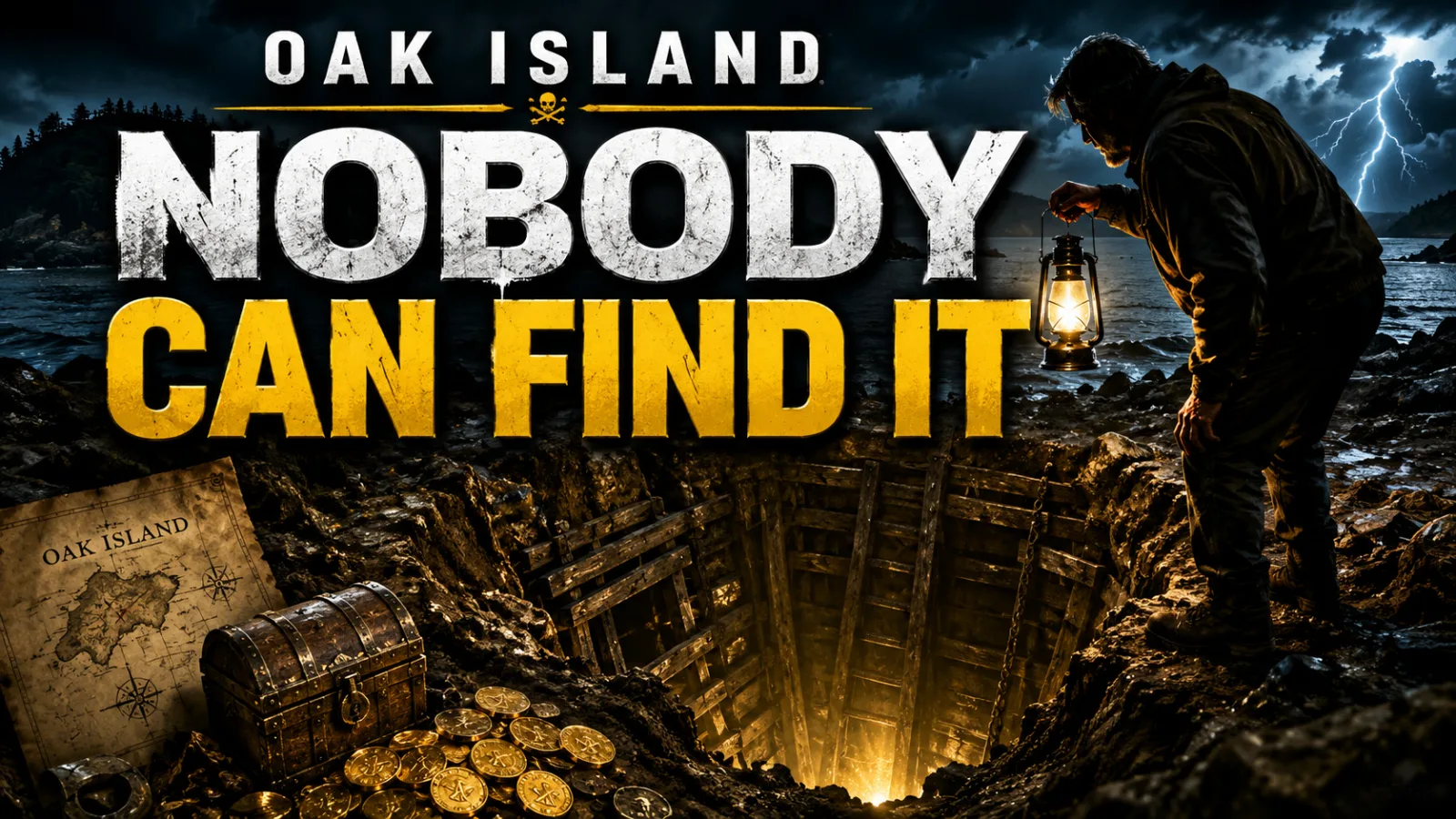
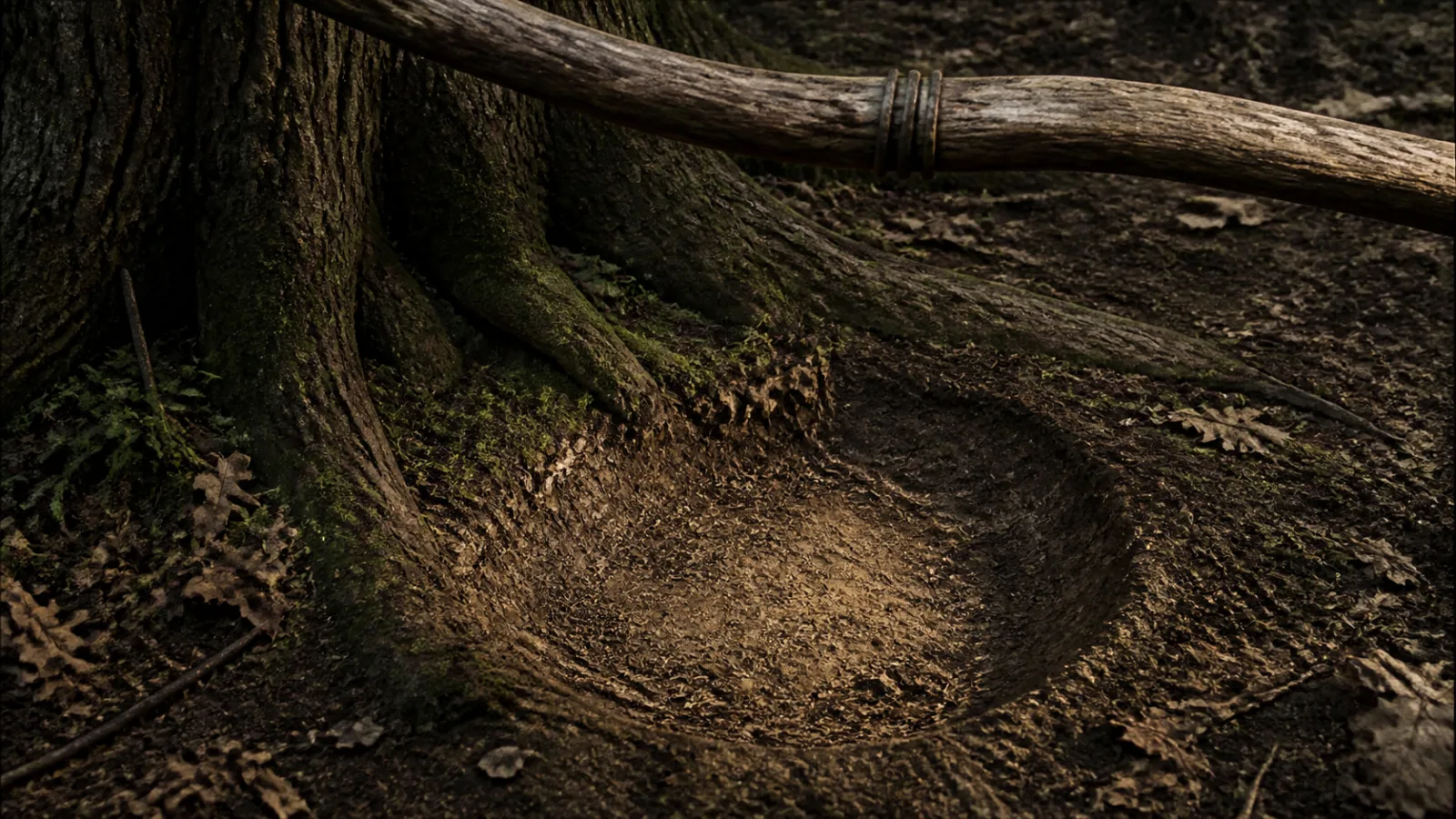
In the summer of 1795, a sixteen-year-old named Daniel McGinnis rowed out to a small, wooded island off the southern shore of Nova Scotia. Locals called it Oak Island, named for the mature oak trees that stood out against the spruce and fir covering most of the coastline. McGinnis wasn't looking for treasure — he was exploring. And under one of those oak trees, he found something that didn't belong there: a circular depression in the ground, with the marks of an old pulley or tackle block still visible on a branch overhead.
To McGinnis and the two friends who joined him, Anthony Vaughan and John Smith, it looked exactly like the kind of clue you'd find at the start of a pirate story. So they started digging.
What they uncovered over the following days became the seed of one of the longest-running mysteries in North American history. More than two centuries later, with millions of dollars spent and multiple lives lost, nobody has definitively answered the question those three boys accidentally asked: what is actually buried on Oak Island, and who put it there?

A Coastline Built for Legends
To understand why this pit captured so much attention, picture Nova Scotia in the late 1700s. The eastern coast of North America was thick with maritime traffic — merchant ships, naval vessels, and pirates and privateers still operating in the decades after the so-called Golden Age of Piracy had officially ended. Names like Captain Kidd remained fresh in public memory, and buried pirate gold wasn't just fantasy; it was a plausible, talked-about possibility in coastal communities up and down the Atlantic seaboard.
Oak Island sits in Mahone Bay, a body of water historically associated with privateering activity. So when three teenagers found a disguised depression under a tree with obvious tool marks, the assumption made sense: someone had buried something here on purpose, and taken care to hide it.
Flagstones, Oak Platforms, and a Growing Obsession
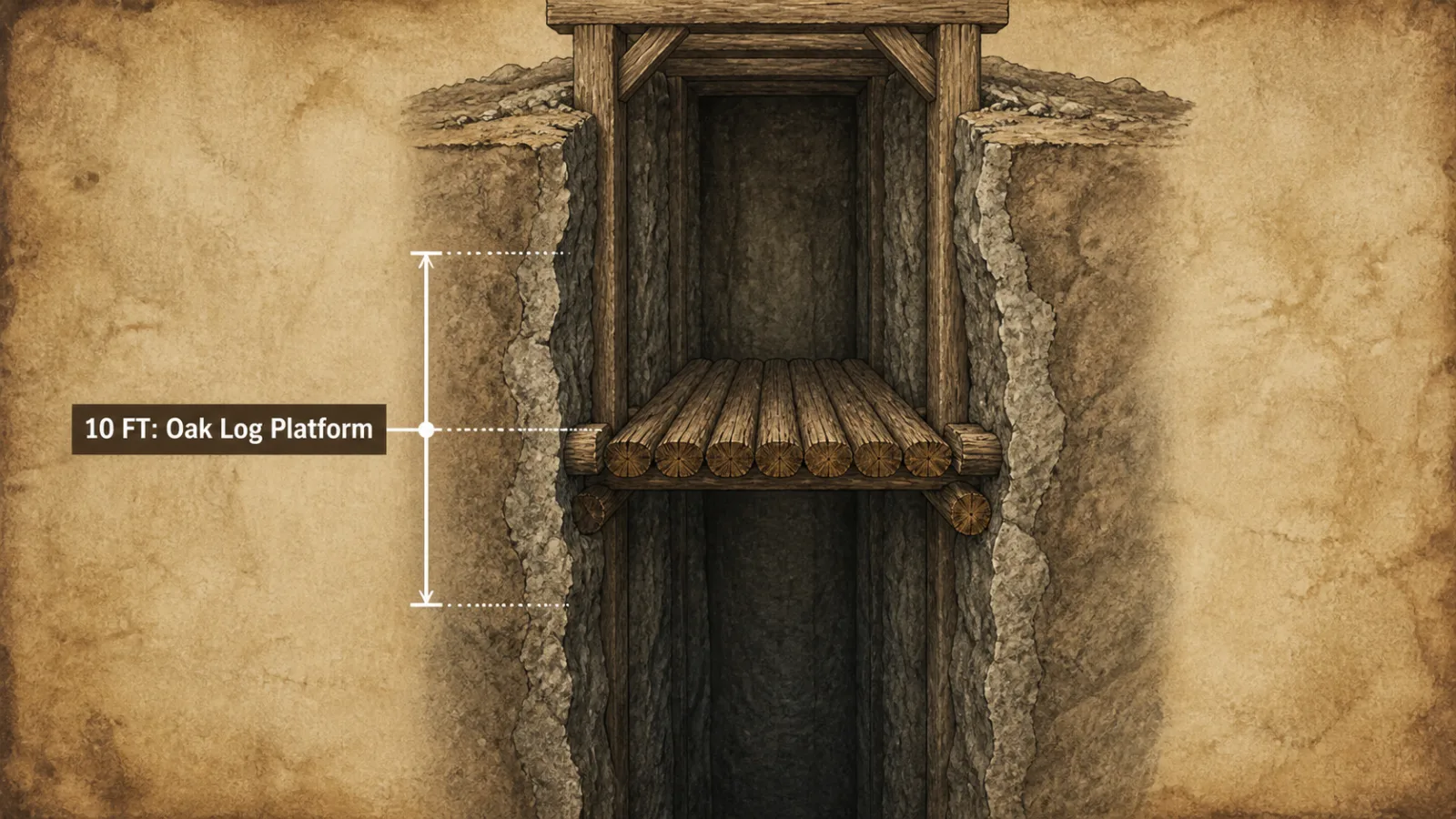
The boys dug by hand. According to the earliest accounts, passed down through local history and later written record, they hit a layer of flagstones a few feet down that didn't match any stone naturally found on the island. Below that, at around ten feet, they hit a platform of oak logs wedged tightly into the shaft walls. They cleared it and kept digging. At twenty feet, another oak platform. Then another at thirty feet.
This is the detail that turned a curious hole in the ground into two hundred years of obsession. Someone had gone to the effort of digging a deep shaft and lining it, at regular intervals, with heavy log platforms. That's not something nature does — that's construction, and construction implies purpose.
The original three diggers eventually ran out of resources and gave up, but word spread.
The Onslow Company and the Coconut Fiber Mystery
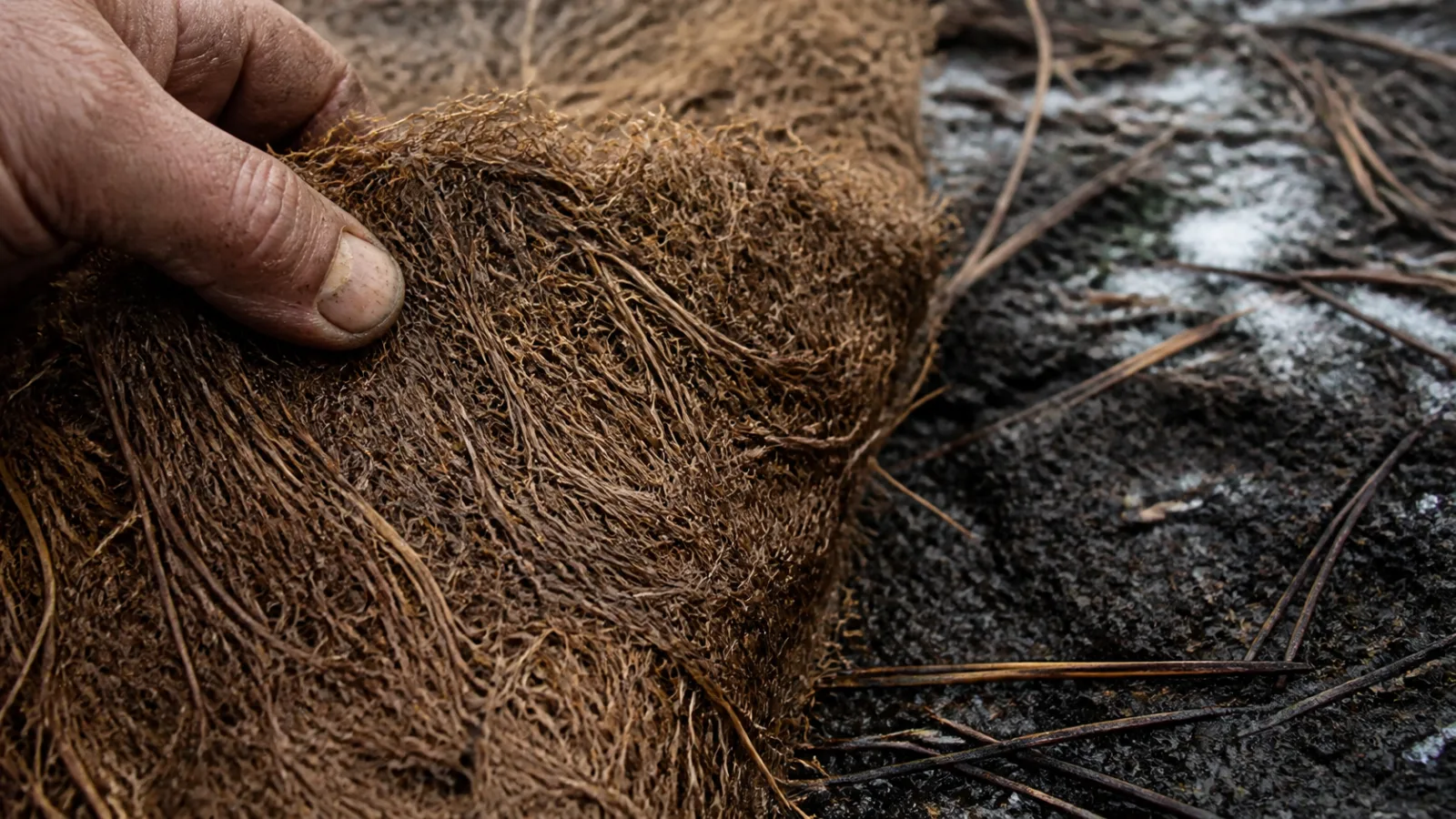
In 1803, a group called the Onslow Company formed to properly excavate the site. They dug past the original depth, reportedly finding more log platforms at regular intervals, along with layers of charcoal, putty, and coconut fiber. That last detail is one of the strangest, because coconut fiber isn't native to Nova Scotia. If accurately documented, its presence suggests either transatlantic trade material used in packing, or, to more imaginative theorists, evidence that whoever built the structure had traveled from somewhere tropical.
At around ninety feet, diggers reportedly found a flat stone inscribed with symbols or letters, later said to translate to something like "forty feet below, two million pounds are buried." The stone has never been conclusively verified. It disappeared decades later after allegedly being used as a hearthstone and then a bookbinding weight in a Nova Scotia shop. No accepted photograph or rubbing of the original inscription survives in a form modern researchers consider reliable, so its exact wording — and even its existence in the form usually described — remains disputed.
The Pit Begins to Flood
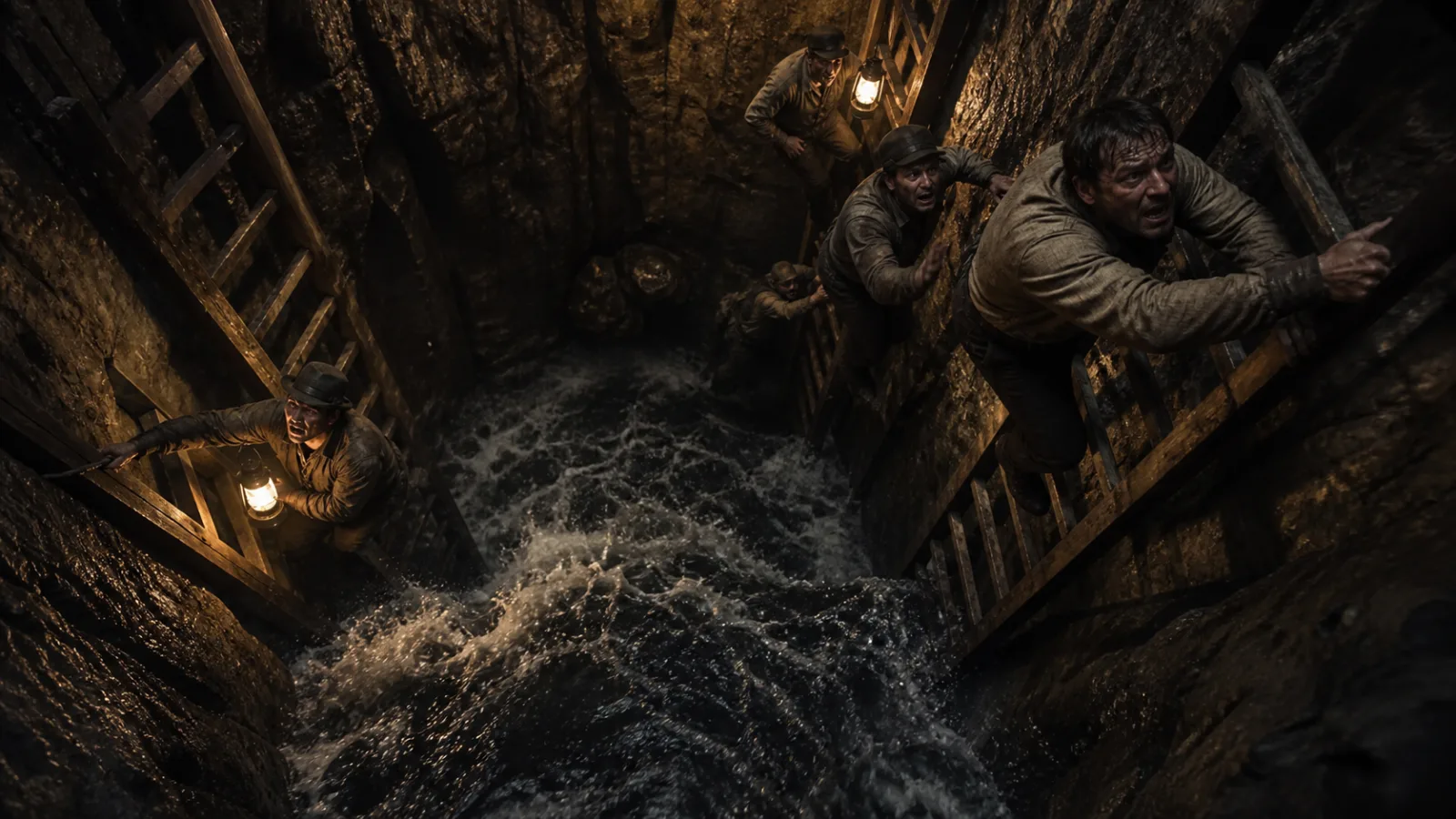
What is better documented is what happened next. As the Onslow Company dug past ninety feet, the pit began to flood. Seawater poured in faster than it could be pumped out, and the excavation stopped.
This flooding is the single most important documented feature of the entire Oak Island story, and it's worth being precise about what's confirmed versus what's theory. Across multiple excavation attempts, spanning nearly two centuries and using different methods in different decades, the pit has consistently flooded with seawater once diggers pass a certain depth. That consistency argues against coincidence.
What is not conclusively proven is why.
The Flood Tunnel Theory
The popular explanation, first proposed by searchers in the 1850s, holds that the original builders engineered a flood-defense system — tunnels, sometimes called "box drains," connecting the pit to the nearby shoreline, so seawater would rush in automatically if anyone dug too deep. Some searchers claimed to find evidence of a constructed drain running from Smith's Cove toward the pit, complete with a filtering layer of coconut fiber and stone meant to let water through while blocking sand.
If true, this would mean the original builders had engineering knowledge and manpower far beyond what a small, informal group could manage, and that they intended the site to actively resist excavation.
Or Simply Geology?
No modern, controlled scientific excavation has definitively proven the flood tunnels were deliberately engineered, as opposed to the flooding resulting from the island's natural limestone geology. Oak Island sits on ground riddled with natural sinkholes and porous limestone channels that could allow seawater to move through the earth on its own, especially once a nine-story hole has been dug straight into it. More recent geological assessments have found evidence supporting natural water infiltration as at least a partial explanation. The truth may combine both — natural channels that early treasure hunters understandably mistook for man-made booby traps.
Whatever the cause, the effect has never been in dispute. Every serious excavation has had to fight water. Pumps have failed, shafts have collapsed, and the ground has proven repeatedly unstable.
Six Documented Deaths
Six deaths have been documented in connection with Oak Island excavation work, spanning from the 1800s into the modern era. The most well-known cluster came in 1965, when a family drilling operation led by Robert Restall ended in tragedy after several men were overcome — likely by gas buildup or drowning — in one of the shafts. These are not legendary deaths; they are recorded, verifiable losses, and a major reason the site carries the weight it does.

Deeper Drilling, Murkier Evidence
Over the twentieth century, the search intensified. Investors, including prominent businesspeople at various points, funded increasingly ambitious drilling and excavation projects. Larger equipment allowed teams to drill far deeper than the original hand-dug shaft, at times past 180 feet. Drill cores reportedly brought up fragments of wood, evidence of a possible cavity, and, in some accounts, tiny scraps of material some investigators believed could be parchment or paper.
These findings are documented in survey and drilling records, but their significance is heavily disputed. Wood fragments deep underground could indicate a man-made chamber — or they could be debris from more than two centuries of previous excavation attempts, some of which used timber cribbing that could have broken apart and settled lower into disturbed ground. The original pit's location has actually been lost and re-dug multiple times, since early excavations destroyed the precise original shaft. Much of what's been found in later decades may be scrambled evidence from earlier failed digging rather than pristine clues to an original treasure.//
This is the central, frustrating problem investigators face today. The site has been disturbed by generations of increasingly invasive digging, and separating genuine original evidence from two hundred years of accumulated excavation debris may be functionally impossible.
Leading Theories: Pirates, Military, and Templars
Several theories attempt to explain what, if anything, is buried on Oak Island:
- Pirate treasure — the oldest and most romantic theory, tying back to the era of Captain Kidd and other privateers active along the region's coastline.
- Military origins — the idea that British forces may have hidden payroll or valuables during a colonial-era conflict, using engineering techniques consistent with military construction of the time.
- Knights Templar or Freemasons — a more speculative theory connecting the site to hidden religious or historical treasures, even documents, predating McGinnis's discovery by centuries. This relies heavily on symbolic interpretation rather than physical evidence and is treated with significant skepticism by most historians and archaeologists.
- Natural sinkhole — the more mundane, scientific explanation: that the original depression was a natural sinkhole common to limestone terrain, and the "engineered" log platforms were misinterpreted natural debris or later, smaller-scale digging by earlier settlers, not evidence of a grand conspiracy. Under this view, two centuries of treasure hunters may have chased a geological formation amplified by storytelling and confirmation bias.
What Modern Science Has — and Hasn't — Found
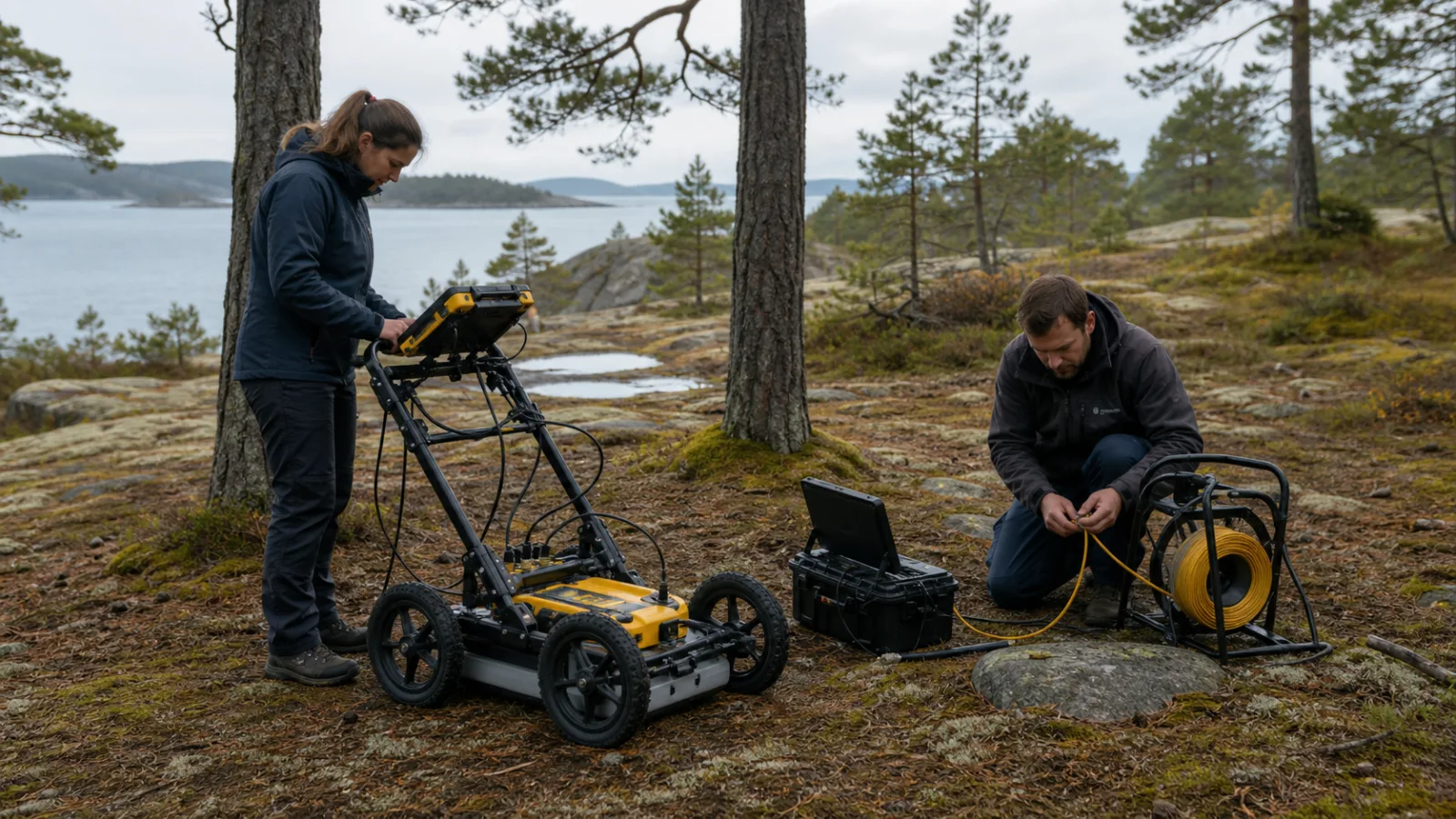
Modern investigations, including large-scale efforts backed by television production in recent years, have used ground-penetrating radar, borehole cameras, and dating analysis on wood samples pulled from deep underground. Some of that wood has reportedly been dated to periods predating the earliest recorded European exploration of the area, according to researchers involved in those projects — one of the more genuinely puzzling findings from modern work. If accurate, it would suggest human activity at depth on the island earlier than conventional history would expect.//
But dating results from disturbed, waterlogged excavation sites carry real margins of uncertainty, and no artifact conclusively identifying a builder, a nationality, or a specific treasure has ever been recovered and independently verified.
Where Things Stand Today
No treasure. No confirmed chamber. No definitive proof of who built the original structure, or whether the flooding was designed or accidental. Just a site so repeatedly dug, flooded, collapsed, and re-dug that even the ground itself no longer remembers where the story began.
One detail still nags at researchers more than anything else. If the pit truly was engineered with flood tunnels to punish anyone who dug too deep, whoever built it believed that whatever they were protecting was worth killing future strangers to defend. Two centuries later, we still don't know if that belief was justified — because nobody has ever actually reached the bottom to find out.