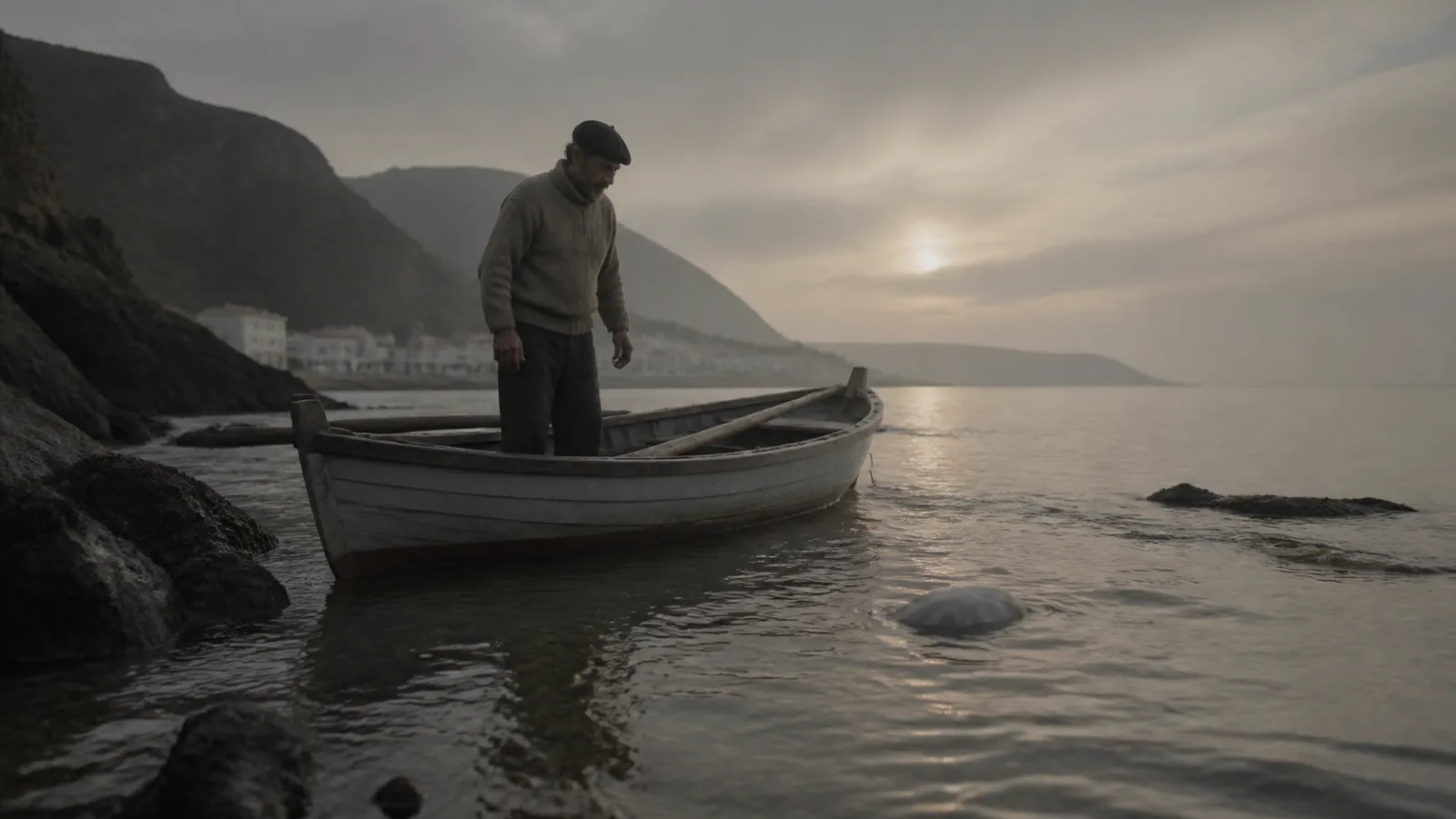
On the thirtieth of April, 1943, a Spanish fisherman spotted something drifting in the shallows off the coast of Huelva, in southern Spain. A body, dressed in a uniform, tangled in the tide. It looked like just another casualty of a world at war, a drowned officer washed ashore with the debris of a sinking.
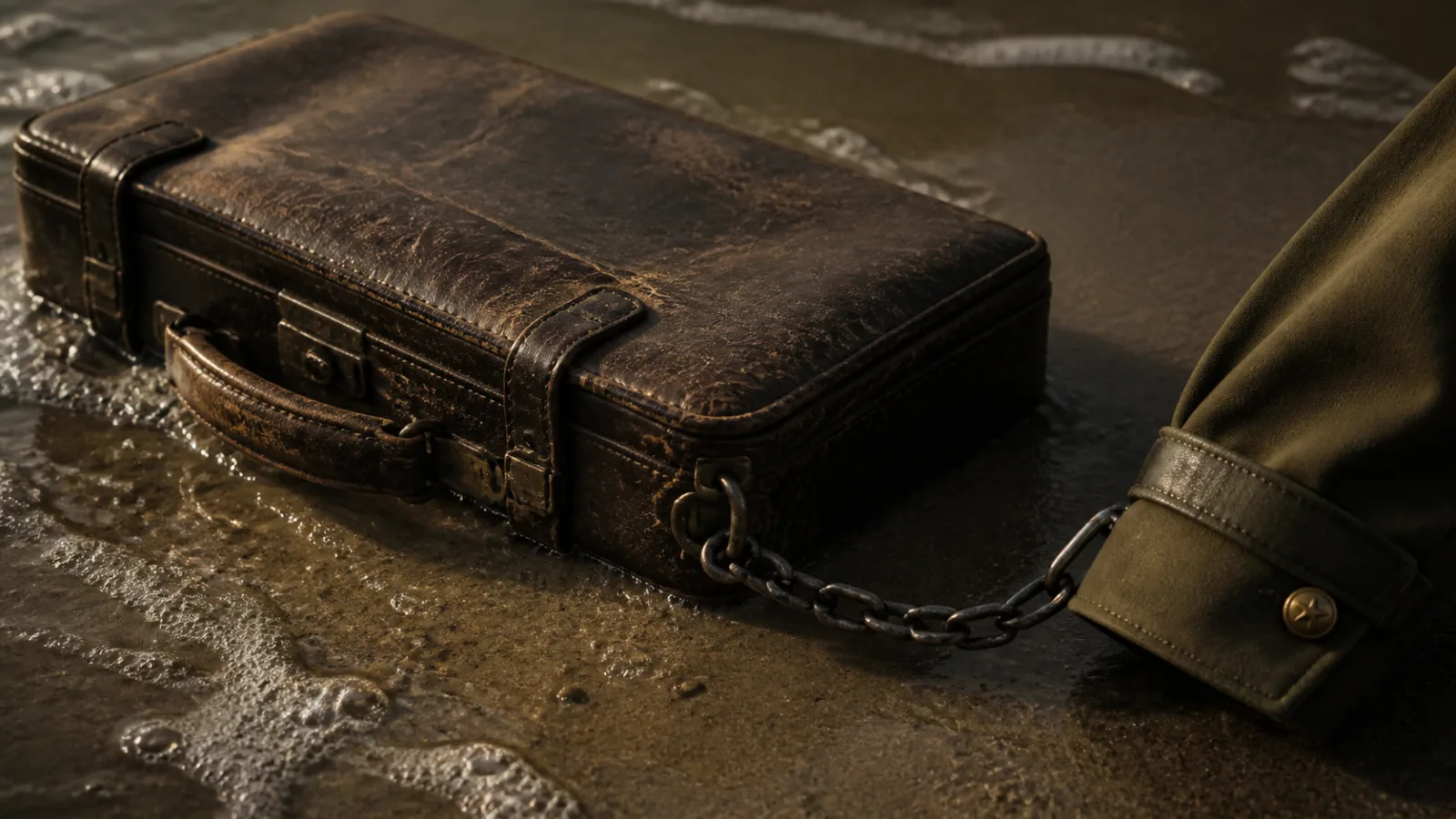
Chained to his wrist was a briefcase. Inside it were secrets that could change the course of the Second World War.
Except the man in the water was not who his papers said he was. He had never served in the military he supposedly belonged to. He had never served anywhere at all, because he was already dead before the war ever touched him.
This is the story of a corpse who became a spy, a dead man who helped fool Adolf Hitler's high command and shape the fate of an entire continent.
Sicily: The Obvious Target
By the spring of 1943, the Allies controlled North Africa. The next move seemed obvious to nearly everyone, including the Germans: Sicily. It was the logical stepping stone into occupied Europe, close enough to reach and large enough to matter. Winston Churchill is said to have remarked that anyone who wasn't a fool would know it was Sicily. The trouble was that the enemy knew it too.
British intelligence needed a way to convince Hitler's high command that the invasion was heading elsewhere, not simply to distract, but to divert German divisions away from the beaches where Allied troops would actually land. If the real target could be made to look like Sardinia and Greece, thousands of lives might be saved.
Building a Fake Officer
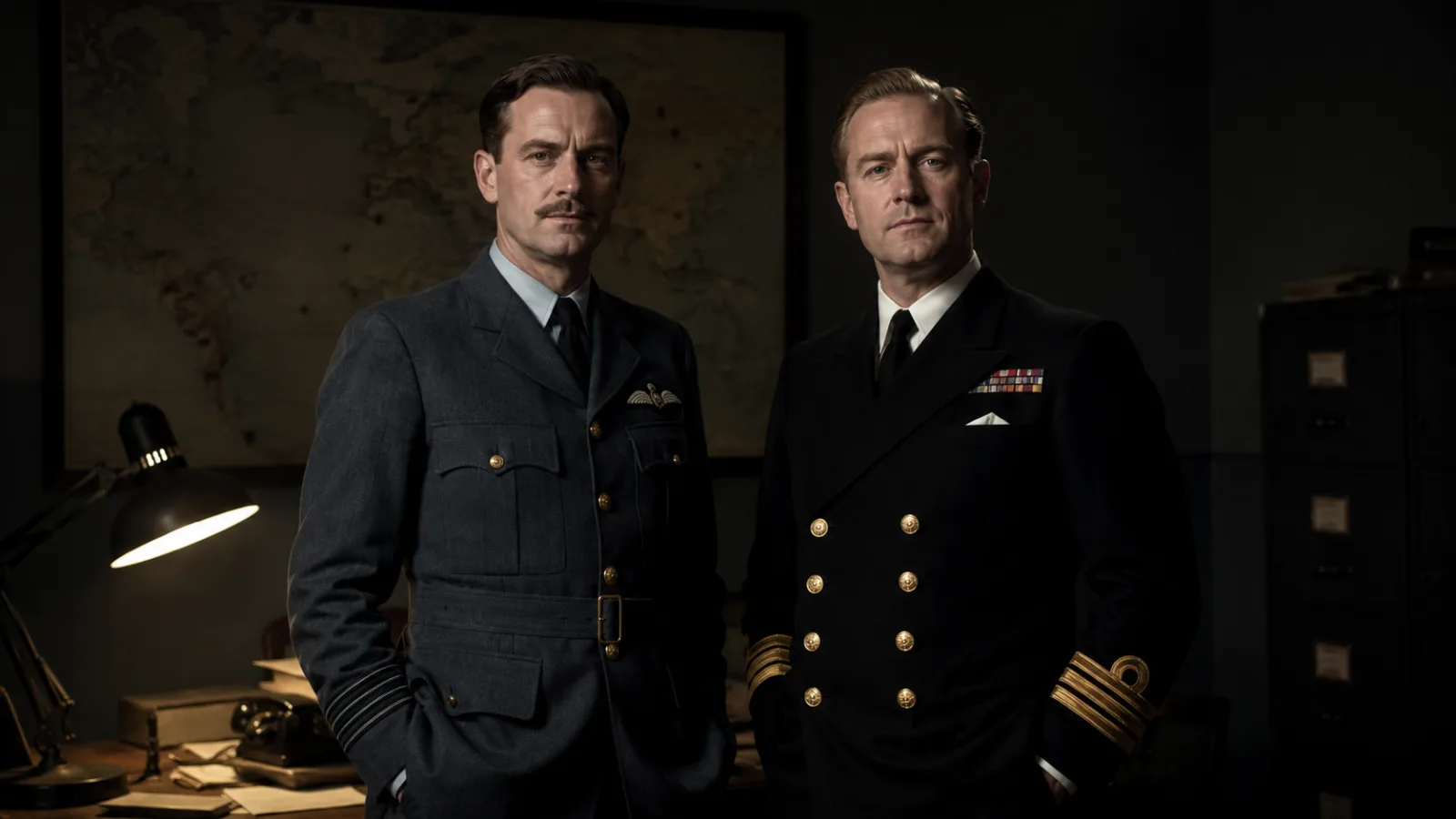
The plan came from the Twenty Committee, the British body overseeing deception operations, building on an idea first sketched years earlier in a memo of hypothetical espionage tricks. Two officers turned the concept into something real: Flight Lieutenant Charles Cholmondeley of British Intelligence, and Lieutenant Commander Ewen Montagu, a barrister serving in Naval Intelligence.
Their idea was audacious in its simplicity. Create a dead man. Give him a full identity: a career, a fiancée, a family, even debt and a bad temper about his overdraft. Attach him to fabricated top-secret documents suggesting the invasion would strike Sardinia and Greece, with Sicily merely a cover story. Then release his body into waters where the current would carry it to Spain.
Spain: The Perfect Postal Service
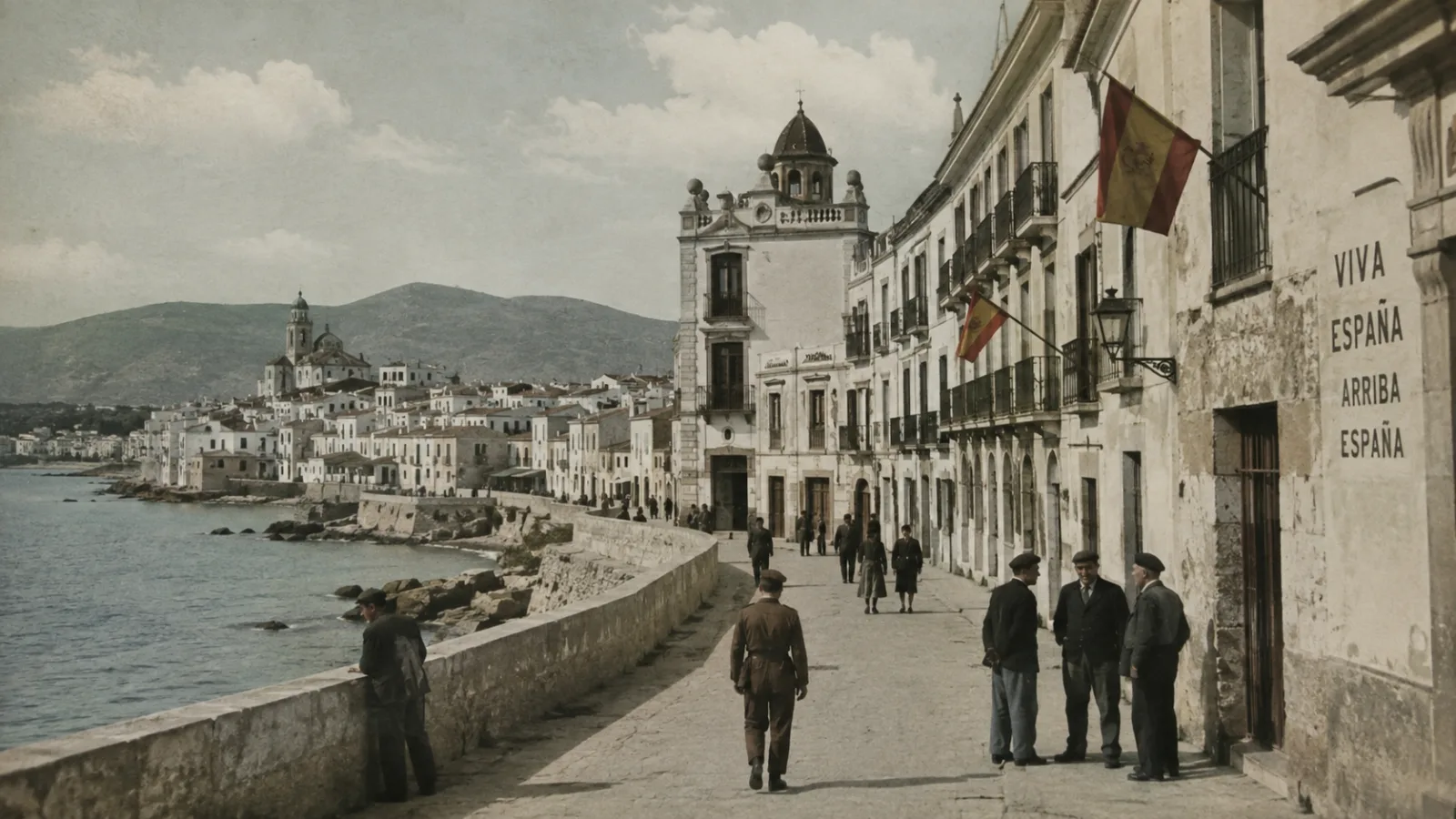
Spain was officially neutral, but its government had close, sympathetic ties to Nazi Germany. British planners knew that if a body carrying sensitive documents washed ashore there, Spanish authorities would almost certainly share its contents with German intelligence before quietly returning it to the British. Spain's neutrality became, in effect, the perfect postal service for a lie.
What they needed first was a body: one that could plausibly have drowned after an aircraft crash at sea, whose origins could stay hidden from scrutiny, and one available quietly through medical channels.
Glyndwr Michael's Real Story
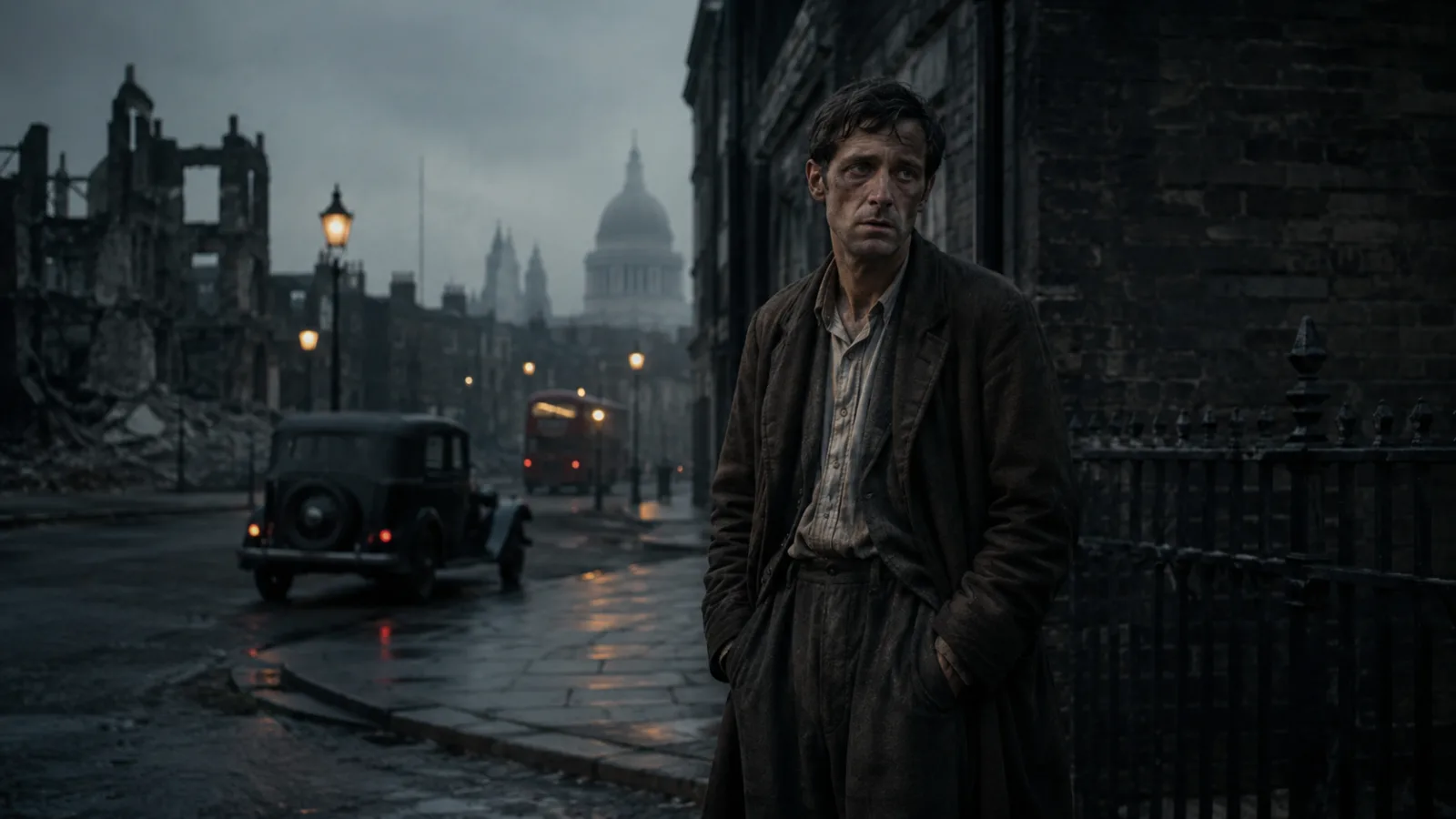
The man they found was named Glyndwr Michael. He was Welsh, homeless, and desperately poor. He died in London in 1943 after ingesting rat poison, a case widely believed at the time to have been suicide, though the full circumstances of his final days remain uncertain. He had no family pressing for answers, and nobody was looking for him. In a war where millions of young men were dying in uniform, Glyndwr Michael had never worn one.
He became, in death, "Major William Martin" of the Royal Marines.
Cholmondeley and Montagu built the fiction with obsessive care. Martin needed to feel real, not just to a passing glance but to trained intelligence officers determined to find the seams. They gave him:
- Identification cards
- A photograph of a fictitious fiancée named Pam, actually a photo of a real clerk in the department
- Love letters and theater ticket stubs
- An angry letter from his father
- A bill from a London clothier for a new shirt
- A worn key and loose change, the small debris of an ordinary life
Inside the briefcase, chained to his wrist as though for security, they placed a letter from a senior British general to a commander in North Africa. Wrapped in official, believable language, it implied the coming invasion would target Sardinia and the Greek Peloponnese. Sicily was mentioned too, but only as a smaller diversionary target, included deliberately because the Germans expected Sicily and would grow suspicious if it were left out entirely.
The Submarine Release and Recovery
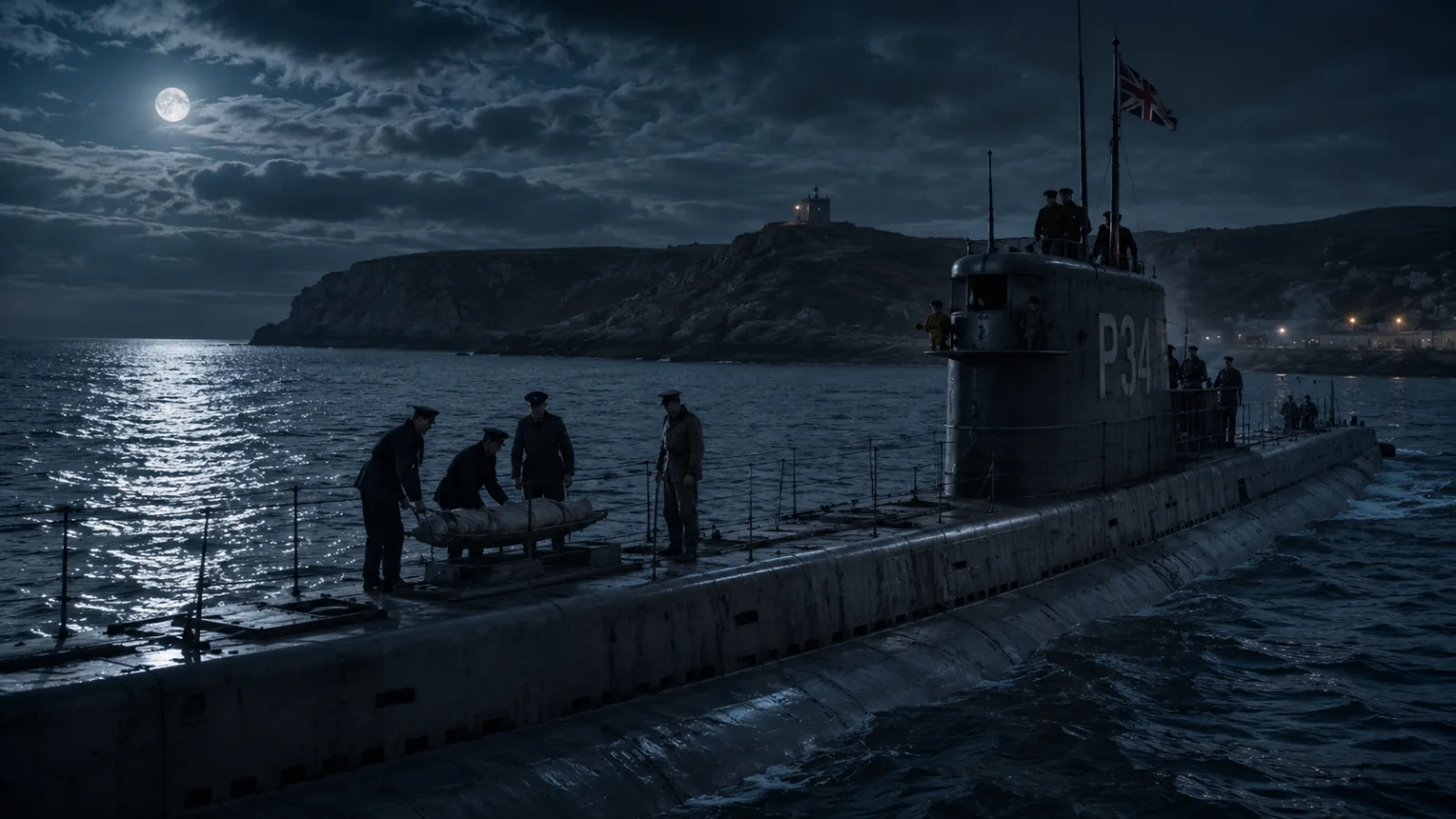
The body was placed aboard the submarine HMS Seraph, and on the thirtieth of April, off the coast of Huelva, released into the sea dressed as an officer who had drowned after his plane went down. The tide, as planners hoped, carried him toward shore.
What followed unfolded almost exactly as British intelligence had gambled. Spanish fishermen recovered the body. Local authorities took possession of the briefcase. Through channels British officials had anticipated, the documents reached German intelligence officers stationed in Spain before the case and its contents were returned to the British Naval attaché.
Examiners in Madrid appeared to have opened and resealed the letters in a way meant to look untouched. British forensic experts back home, however, later determined from subtle physical evidence, the way certain fibers or seals had shifted, that the documents had indeed been read. That single detail confirmed the deception had worked, without the enemy realizing it had been watched in return.
Fooling German High Command
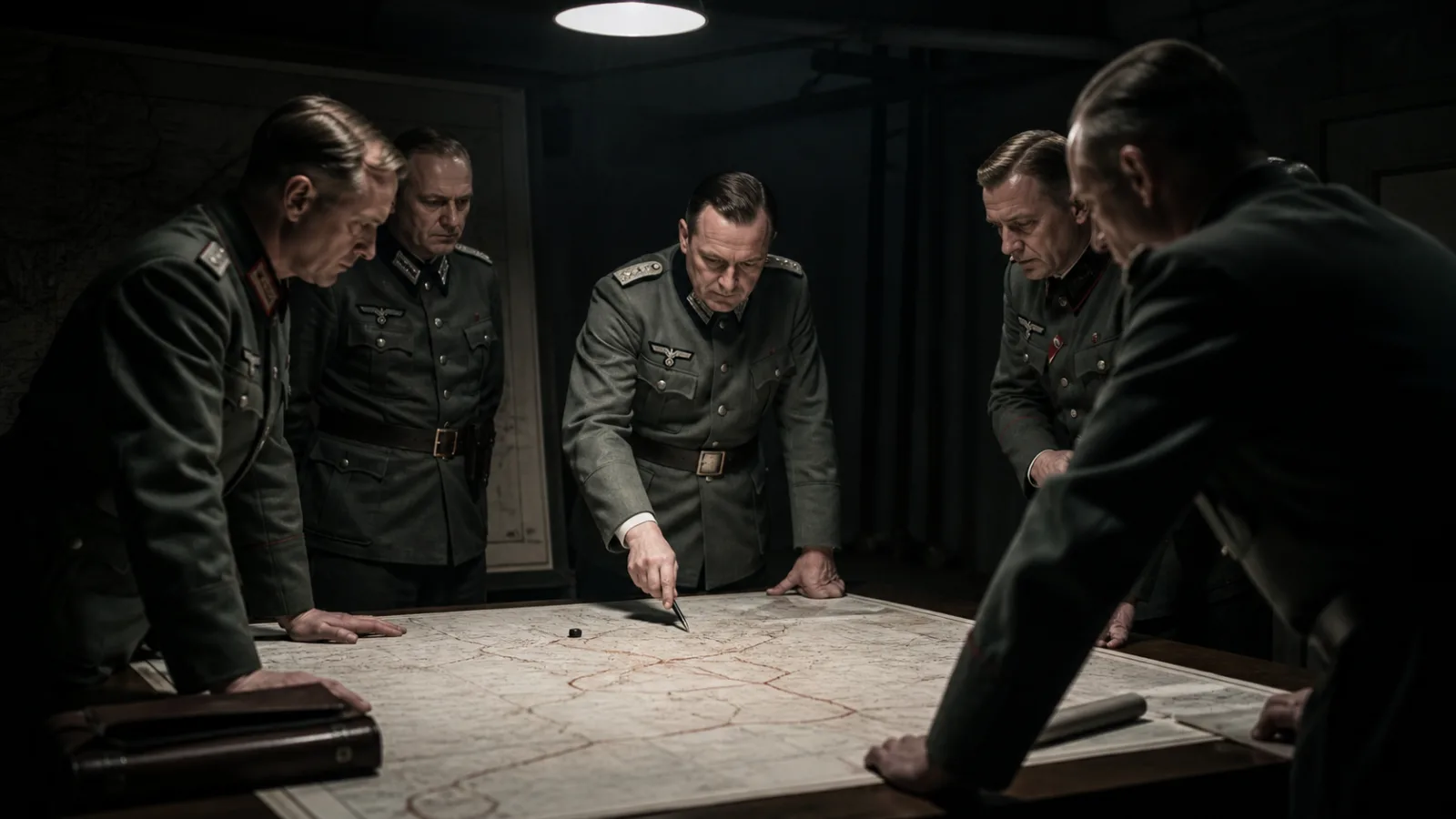
German high command, based on documentation and intelligence reports historians have since examined, took the Sardinia and Greece threat seriously. Adolf Hitler is recorded as having grown increasingly convinced the Allied target lay in the eastern Mediterranean rather than Sicily. German forces were reinforced in Sardinia. Additional troops, including armored divisions, moved toward Greece. Naval assets shifted accordingly. Sicily, though not left undefended, received less reinforcement than it otherwise might have.
On the ninth of July, 1943, Allied forces landed on Sicily. The invasion, though difficult and costly, succeeded in establishing a foothold that would eventually open the door to the invasion of mainland Italy. Historians broadly agree that Operation Mincemeat contributed meaningfully to easing that invasion, though disentangling its exact effect from other factors, weather, existing troop deployments, and battlefield decisions made in real time, is not simple.
What we know with confidence comes from declassified British files, Montagu's own postwar memoirs, and analysis of German military records. What's harder to measure is exactly how much German strategic thinking shifted because of the fake documents alone, versus the broader web of Allied deception efforts running simultaneously across the Mediterranean theater. Mincemeat was not the only ruse in play, but it remains one of the most audacious and among the best documented.
The Ethics of Operation Mincemeat
Some questions persist, and some of them are uncomfortable. Chief among them is the identity and fate of Glyndwr Michael himself. For decades after the war, his true name stayed secret, hidden even from his own family, who had no idea the troubled man they'd lost had, in death, played a role in a continental war. It wasn't until 1998 that historian Roger Morgan uncovered documentation identifying Michael by name, allowing a fuller, though still incomplete, account of who he had been.
Some have questioned the ethics of using the body of a vulnerable man, without consent he could never have given, as an instrument of war. It's a fair question, one the operation's architects never publicly grappled with in their own time, when secrecy made such reflection impossible and the war's demands left little space for it regardless.
There's also the matter of exactly how much the Germans believed, and for how long. Some historians argue Hitler's conviction about Sardinia and Greece was shaped by more than Mincemeat alone, that existing German assumptions and other intelligence sources played a role too. Untangling cause from coincidence, in the fog of wartime intelligence, is never entirely clean.
A Fictional Life With Real Consequences
What is certain is this: a homeless man who died in obscurity, in what appears to have been a moment of personal despair, was given, without his knowledge or consent, a fictional second life as a war hero. That fictional life helped convince the leadership of Nazi Germany to misplace its defenses at a critical moment in the war. Real soldiers, on real beaches, may have faced less resistance because of a man who never wore a uniform while he lived.
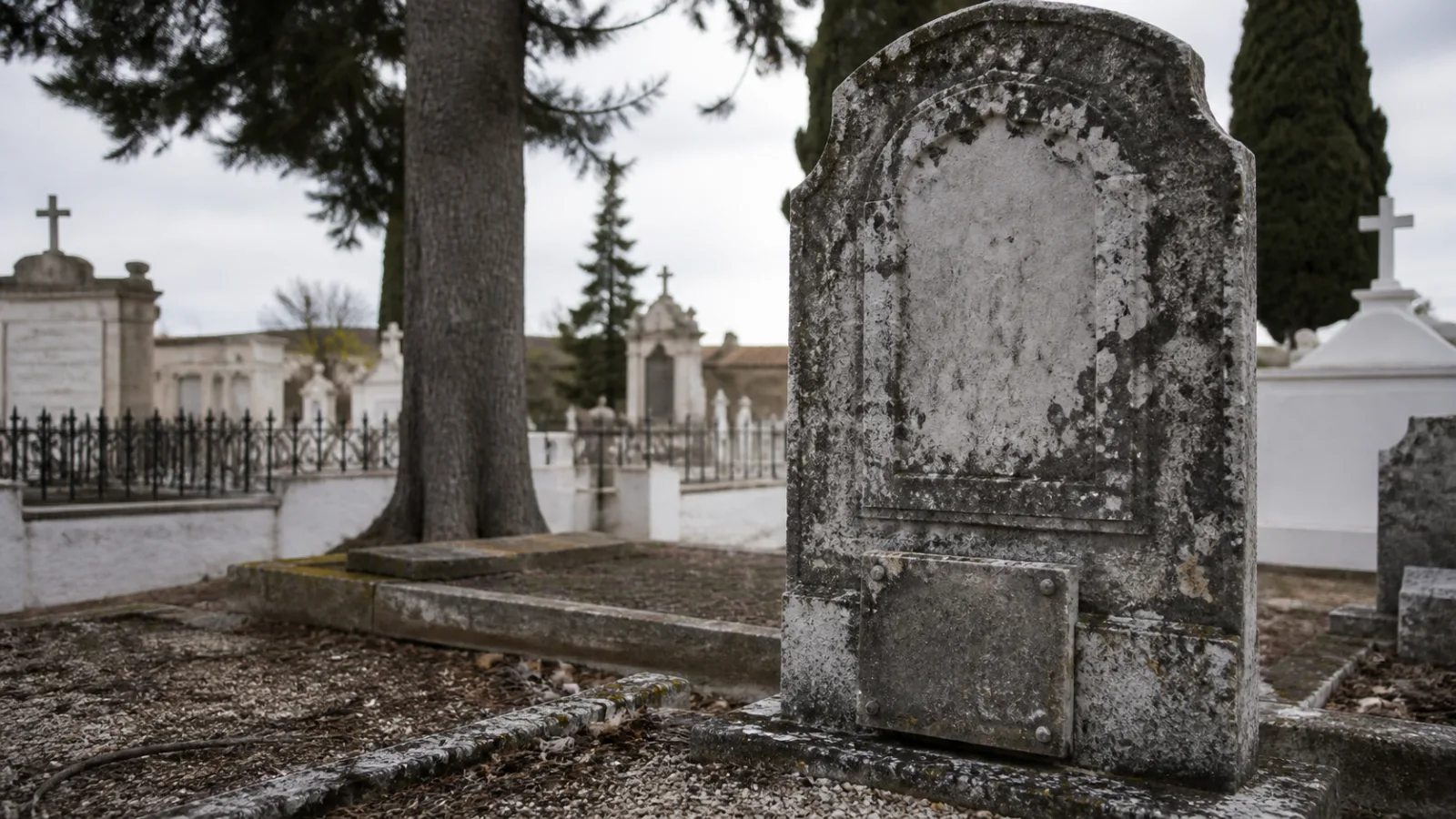
Glyndwr Michael was eventually given a memorial. His grave in Huelva, Spain, still bears the name William Martin, though a plaque now acknowledges his true identity beneath it, a quiet correction to a fiction that once mattered more than the truth.
The story of Operation Mincemeat endures because it sits at an uneasy intersection between ingenuity and exploitation, between a plan brilliant enough to alter a war and an act carried out on the body of a man who had no voice in his own legacy. The documents are real. The Spanish recovery is real. The German troop movements are documented. But the moral weight of how it was done has never fully settled, and perhaps it isn't meant to.
A dead man walked so soldiers could live. Whether that makes him a hero, a victim, or simply a tool of history is a question the record leaves for us to answer.