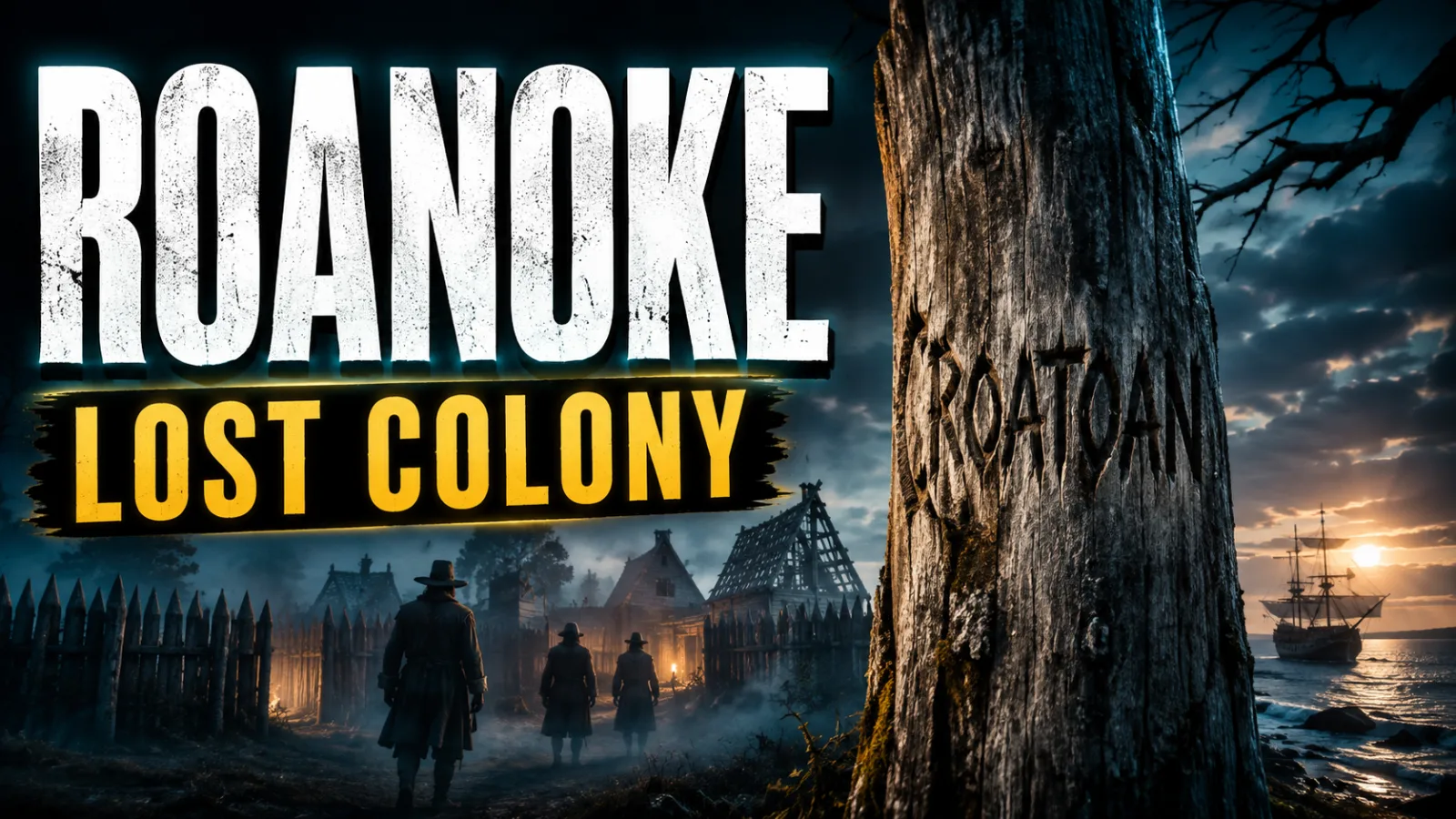
August of 1590, or thereabouts. A relief ship finally reaches a small island off the coast of what is now North Carolina, three years after it last saw the people who live there. The crew expects to find a struggling but living settlement. Instead, they find nothing. No bodies. No signs of battle. No ashes of a burned village. The houses are gone, dismantled carefully, not destroyed. And carved into a wooden post, one word waits for them.
Croatoan.
Ninety men, seventeen women, eleven children. Gone. More than four hundred years later, nobody can say with certainty what happened to them. This is the story of Roanoke.
England's Race to the New World
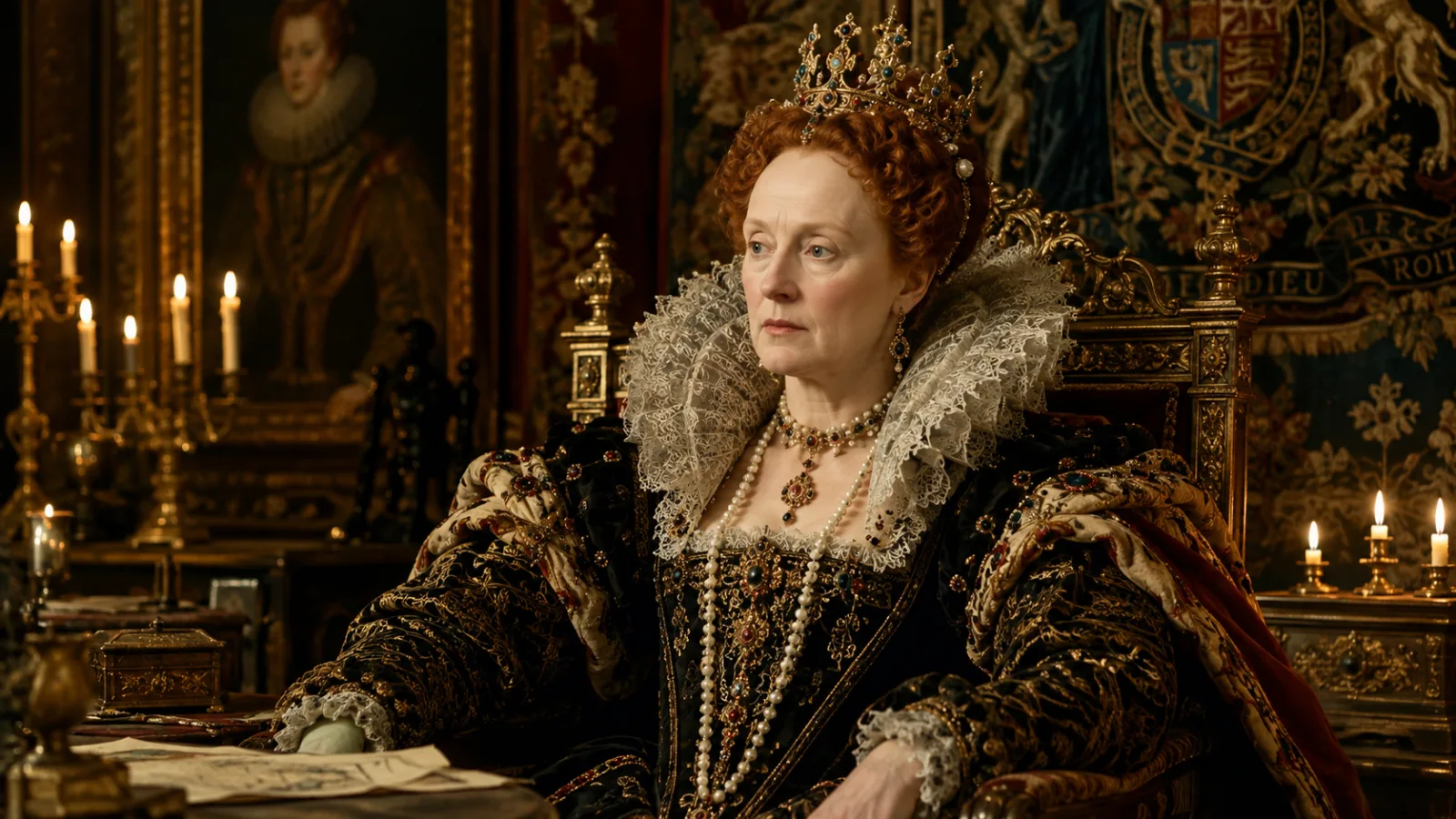
To understand why this colony vanished, it helps to understand why it existed at all. In the late 1500s, England was late to the race for the New World. Spain had already claimed vast stretches of the Americas, and Queen Elizabeth I wanted an English foothold on the continent, both to challenge Spanish power and to open new trade routes.
In 1584, she granted Sir Walter Raleigh a charter to explore and settle land in North America. Raleigh never set foot there himself; he financed the expeditions from England.
The Failed First Colony
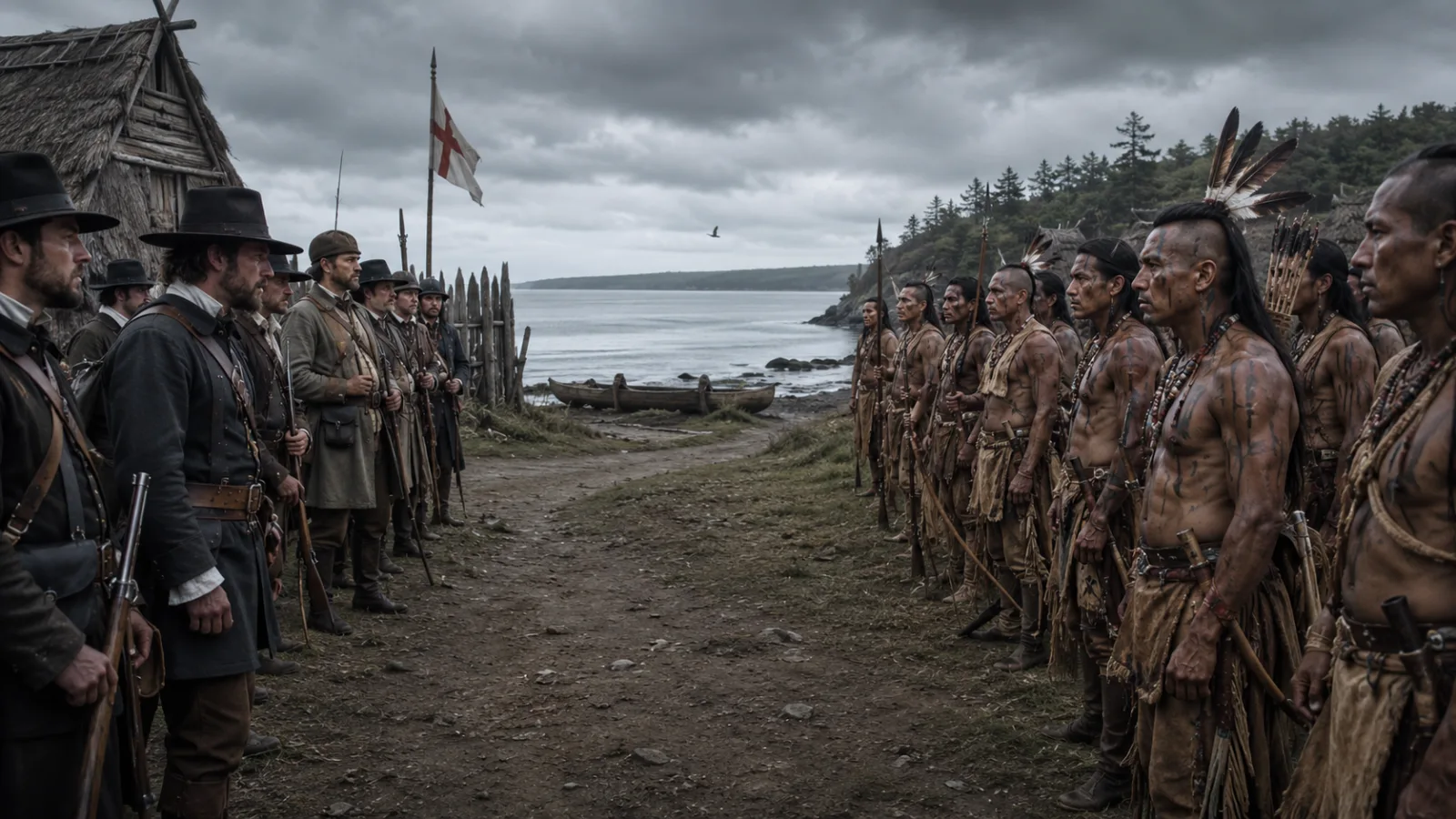
The first attempt, in 1585, placed a group of male colonists and soldiers on Roanoke Island, in present-day North Carolina. That settlement struggled. Relations with the local Algonquian-speaking peoples, particularly the Secotan and the Croatoan, soured after a series of violent misunderstandings and reprisals. Supplies ran low, and when Sir Francis Drake stopped by the following year, the colonists abandoned the site and sailed home.
John White and the 1587 Settlement
Raleigh tried again in 1587. This time the plan was different. Instead of soldiers, he sent families — men, women, and children — under the leadership of an artist and administrator named John White. The goal was a permanent English settlement meant to put down roots rather than simply garrison a foothold.
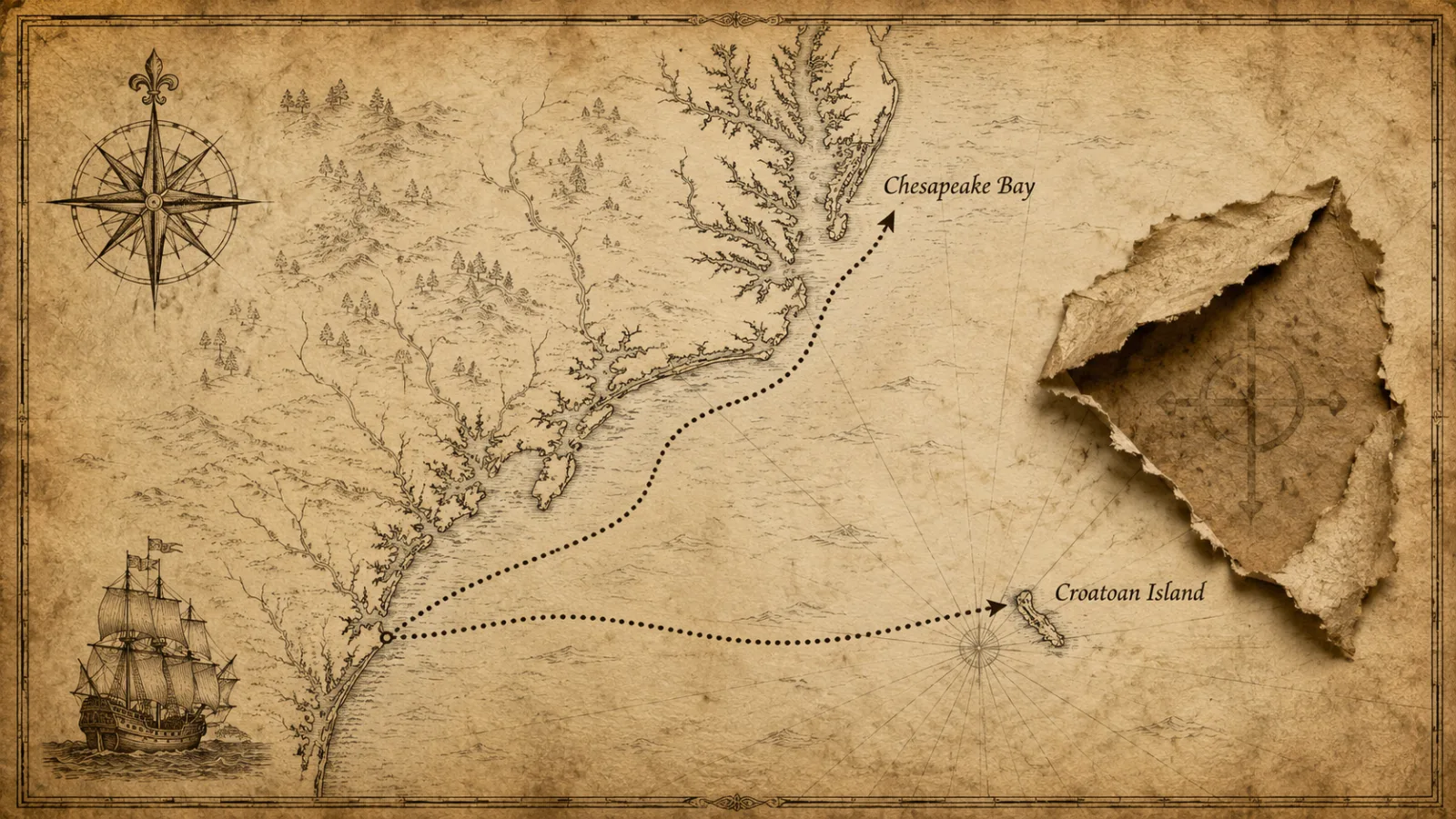
The settlers intended to establish themselves in the Chesapeake Bay area, but the ship's pilot, for reasons still debated by historians, left them instead on Roanoke Island, the site of the earlier failed colony. It was not an easy beginning. Relations with neighboring Native communities were already damaged by the previous colony's conduct.
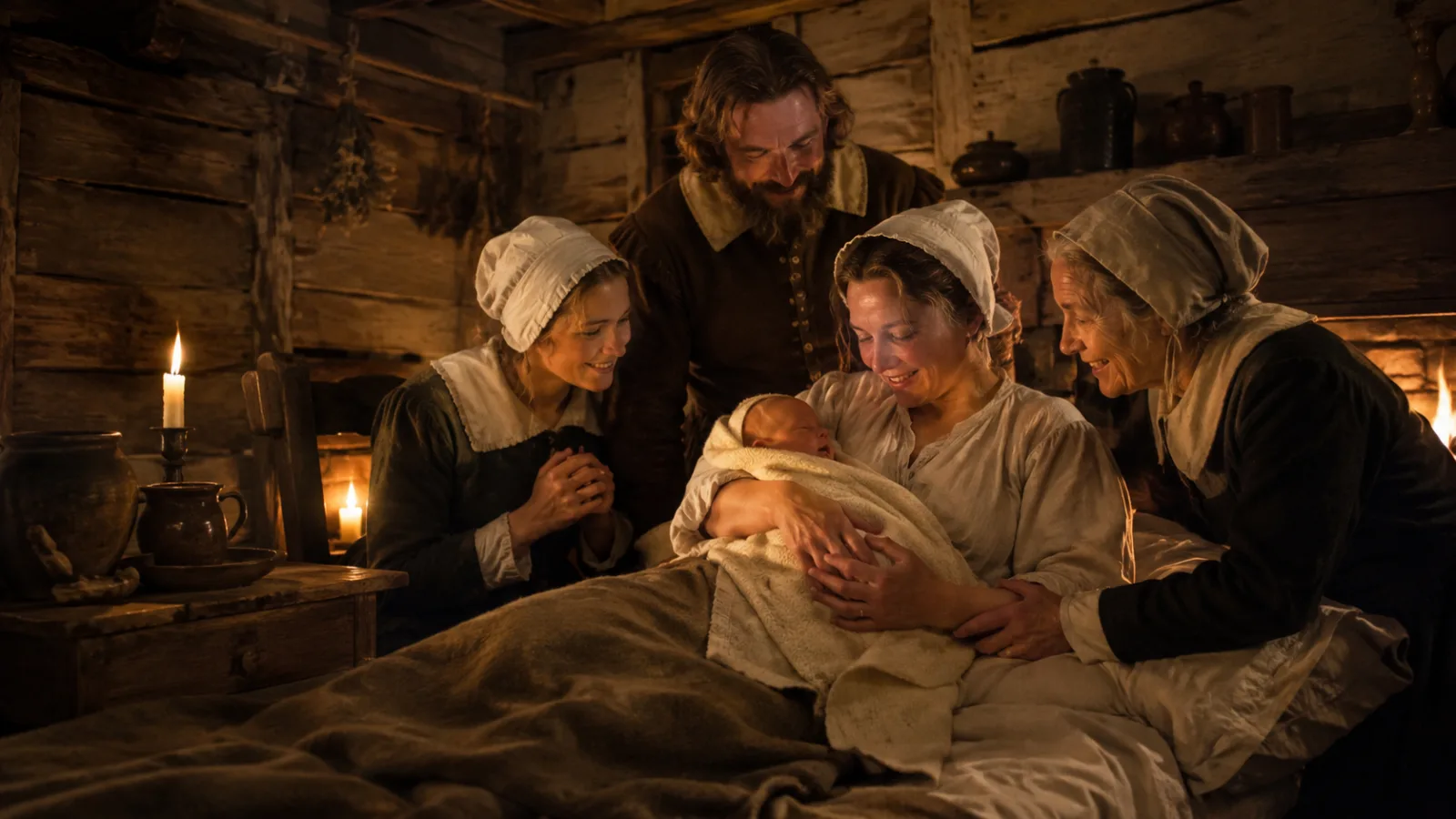
Yet the settlers pressed on. In August 1587, John White's daughter gave birth to a granddaughter, Virginia Dare, the first English child born in the Americas. Her birth is one of the few facts about this colony that is beyond dispute.
White's Departure and the Carving Code
Facing dwindling supplies and worsening relations with nearby tribes, the colonists convinced John White to sail back to England for reinforcements and provisions. He left reluctantly, promising to return quickly. If the colonists were forced to relocate while he was away, he asked them to carve their destination into a tree or post. If they left in distress, they were to carve a cross above it.
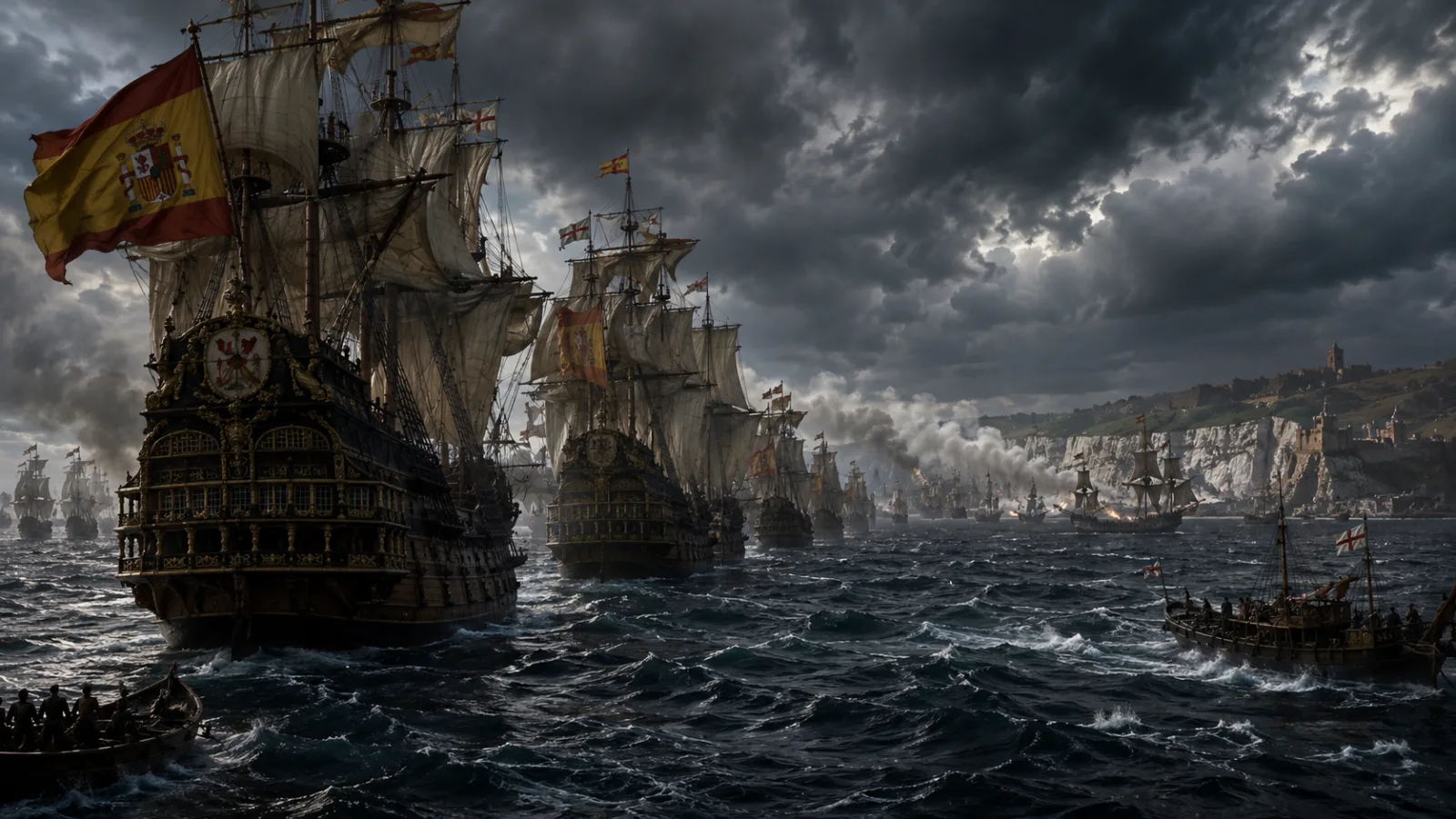
White expected to be back within months. Instead, he was gone for three years. The reason had nothing to do with the colonists at all — England was at war. The Spanish Armada threatened invasion, and Queen Elizabeth ordered every available ship held back for national defense. White petitioned repeatedly to return, but it wasn't until August 1590 that he finally reached Roanoke again.
What He Found — and What 'Croatoan' Meant
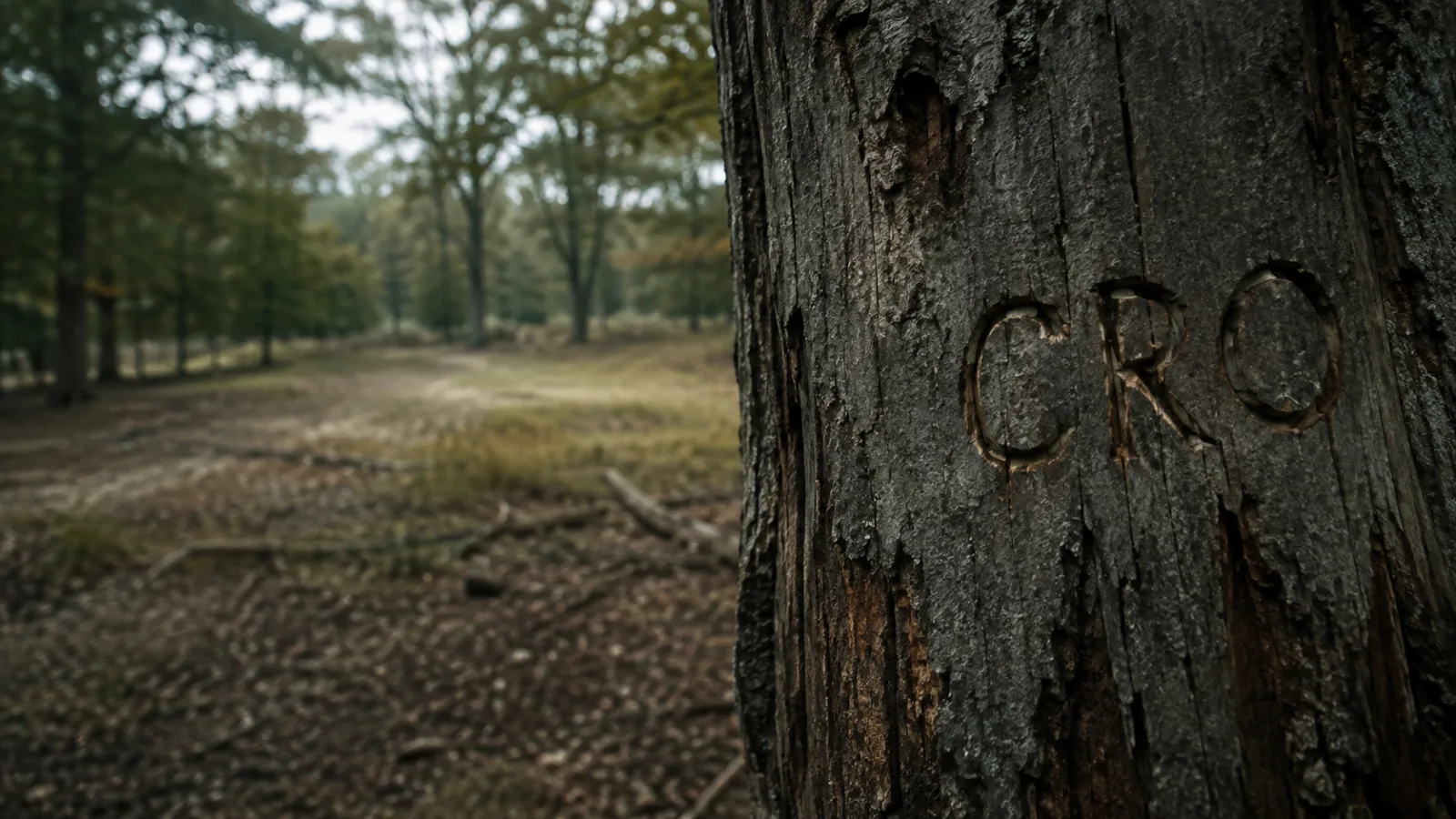
The settlement was deserted. The buildings had been taken down in an orderly way, not burned or destroyed by force. A wooden palisade had been built since White left, suggesting the colonists had time to fortify the site before departing. Carved into a post was a single word: Croatoan. Nearby, on a tree, the letters "CRO." No cross. No sign of distress, at least not by the code they had agreed upon.
Croatoan was both a place and a people — a nearby island, now generally identified with present-day Hatteras Island, and the Croatoan tribe who lived there, with whom the colonists had maintained a friendlier relationship than with other groups in the region. White believed the message meant the colonists had relocated there, safely and voluntarily, and he prepared to sail to Croatoan to find them.
He never got the chance. A violent storm damaged his ships and forced the expedition to turn back to England. John White died years later, having never learned what became of his daughter, his granddaughter, or the rest of the colony. No further English search parties reached the site for years afterward.
That is where the documented record effectively ends. Everything that follows is theory, built from fragments.
Theory One: Peaceful Assimilation
The most straightforward explanation, and to many historians the most likely, is that the colonists went to live among the Croatoan people on Hatteras Island, as the carved message suggested, and were gradually absorbed into the community there through intermarriage or adoption rather than meeting a violent end.
Supporting this theory, later English explorers in the early 1600s, including colonists from Jamestown, recorded rumors and secondhand reports of gray-eyed Native people living in the region who claimed English ancestors, wore items resembling European clothing, or lived in structures built in an English style. These accounts are indirect and were never independently confirmed at the time, but they persisted for decades.
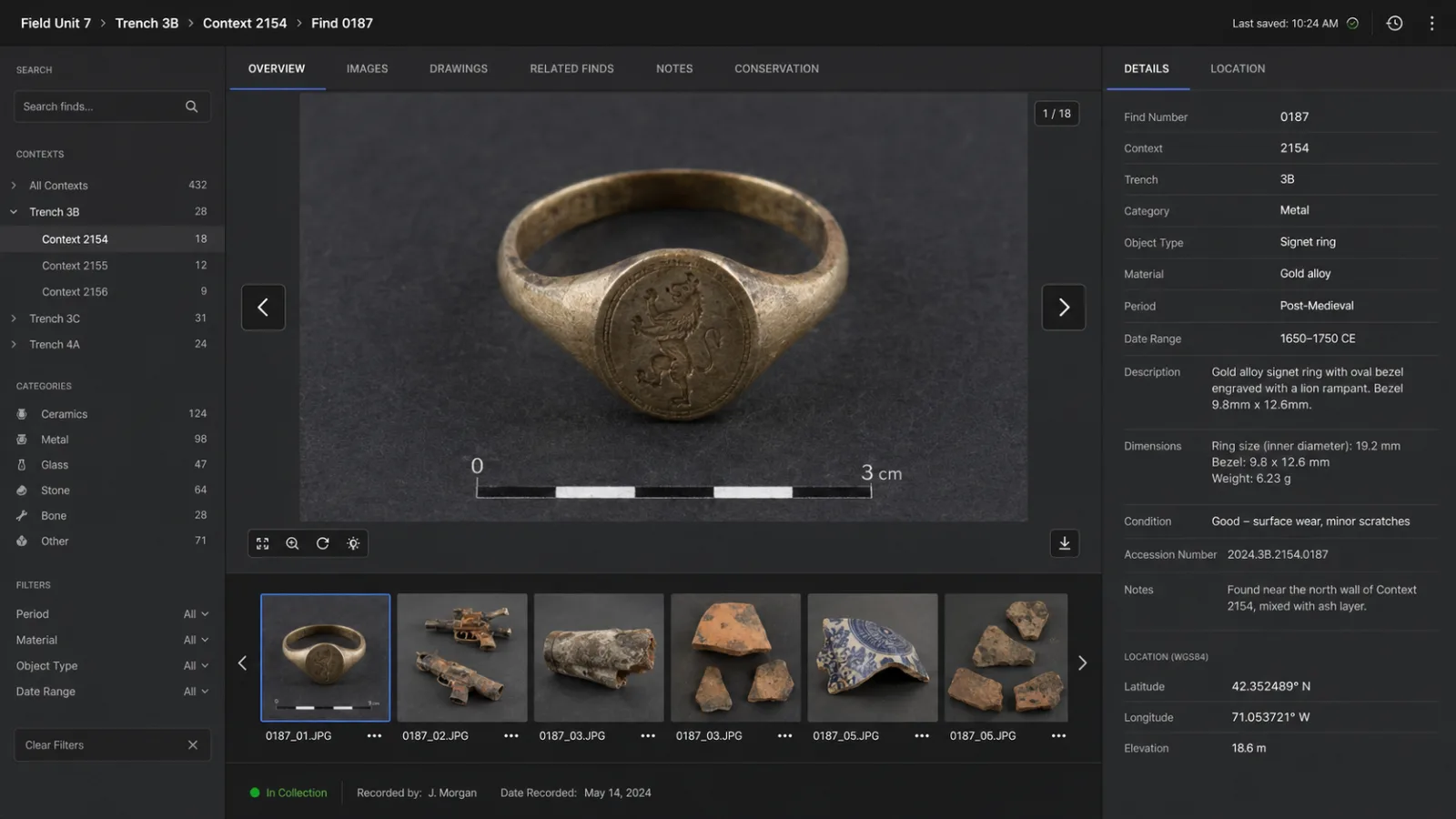
In the twenty-first century, archaeological work has added weight to this theory without settling it outright. Excavations on Hatteras Island, led by teams including the First Colony Foundation, have uncovered European-made artifacts — a signet ring, gun parts, fragments of sixteenth-century English pottery — at sites associated with the Croatoan people. These objects show that English goods, and very possibly English people, made their way to Hatteras. What they cannot prove is exactly when the contact happened, whether it involved the lost colonists specifically, or whether the items arrived through trade rather than migration.
Theory Two: A Split Toward the Chesapeake
A second theory holds that the colonists split into smaller groups, some heading to Croatoan, others attempting to reach the Chesapeake Bay area they had originally intended to settle. This idea draws support from a map John White drew years earlier, later found to contain a hidden symbol beneath a patch marking a location near the Chesapeake. Some researchers have proposed this marked a planned fallback position.
Under this theory, one group may have integrated with the Croatoan, while another journeyed north and met a different, possibly fatal, fate — perhaps through conflict with the Powhatan Confederacy, which controlled the Chesapeake region at the time. Captain John Smith, writing after founding Jamestown in 1607, recorded secondhand reports suggesting that some English-descended survivors, possibly from Roanoke, had been living among Native communities in Virginia before being killed, though the sourcing behind this claim is thin and unverified.
Theories Three and Four: Lost at Sea and Drought
A third, grimmer possibility is that the colonists tried to sail away entirely, perhaps back toward England or the Caribbean, in makeshift boats, and were lost at sea. This would explain the total absence of bodies and the dismantled settlement, but it leaves the carved word "Croatoan" harder to account for, since it points so directly toward a specific destination rather than an open-ended departure.
A fourth theory considers disease and starvation. The years following the colonists' arrival coincided, according to tree-ring studies conducted by researchers in the late 1990s, with one of the most severe droughts to hit the region in nearly eight hundred years. This drought would have devastated crops for colonists and Native communities alike, intensifying competition for food and water and worsening already fragile tensions. Some historians argue this environmental pressure may have driven the colonists to disperse in search of resources, joining nearby communities out of necessity, or perhaps succumbing to illness and famine before they could be found.
Why No Theory Fully Explains the Silence
If the colonists lived among the Croatoan or other Native communities for years, why did later English explorers not find them more definitively? Why no clear, confirmed encounter, no colonist stepping forward, no unambiguous account written by someone who actually met them? Some later reports come tantalizingly close, but none are conclusive.
And why, if they scattered or died from drought and hardship, does the evidence at Hatteras Island suggest an English presence that persisted long enough to leave behind pottery, tools, and personal items, rather than a single hurried, desperate exodus?
There's also the enduring question of intent behind the carving itself: a single word, deliberately placed, without the agreed-upon distress symbol. It reads less like a cry for help and more like an itinerary left for someone the colonists trusted to follow. John White believed exactly that. He simply ran out of time.
The Honest Answer: We Don't Know
Modern archaeology continues, slowly and carefully, on Hatteras Island and at sites on the mainland once inhabited by the Croatoan and neighboring peoples. Each excavation season adds a few more fragments to the picture — a scrap of chain mail here, a shard of English earthenware there. But no site has yet produced the kind of conclusive evidence, a grave, a settlement, a written record from the colonists themselves, that would close the case for good.
What we're left with is a set of reasonable, evidence-supported possibilities, and no certainty. The colonists may have walked into a new life, absorbed peacefully into a Native community that took them in when their own supply lines failed them an ocean away. They may have split apart, some finding safety, others finding violence. They may have simply starved, or drowned, or vanished into a drought-stricken landscape that offered no mercy to anyone, English or Native, that year.
The most honest answer historians can give is that we don't know, not with the certainty the story seems to demand. What we have is a single carved word, a handful of artifacts, secondhand reports written by people who were not there, and more than four centuries of speculation trying to fill the space between them.
Roanoke endures as a mystery not because there's nothing to explain it, but because there's just enough evidence to make every theory plausible, and never quite enough to make one theory certain. Somewhere between that carved post and the shifting sands of Hatteras Island, ninety men, seventeen women, and eleven children walked out of the historical record and never definitively walked back in.