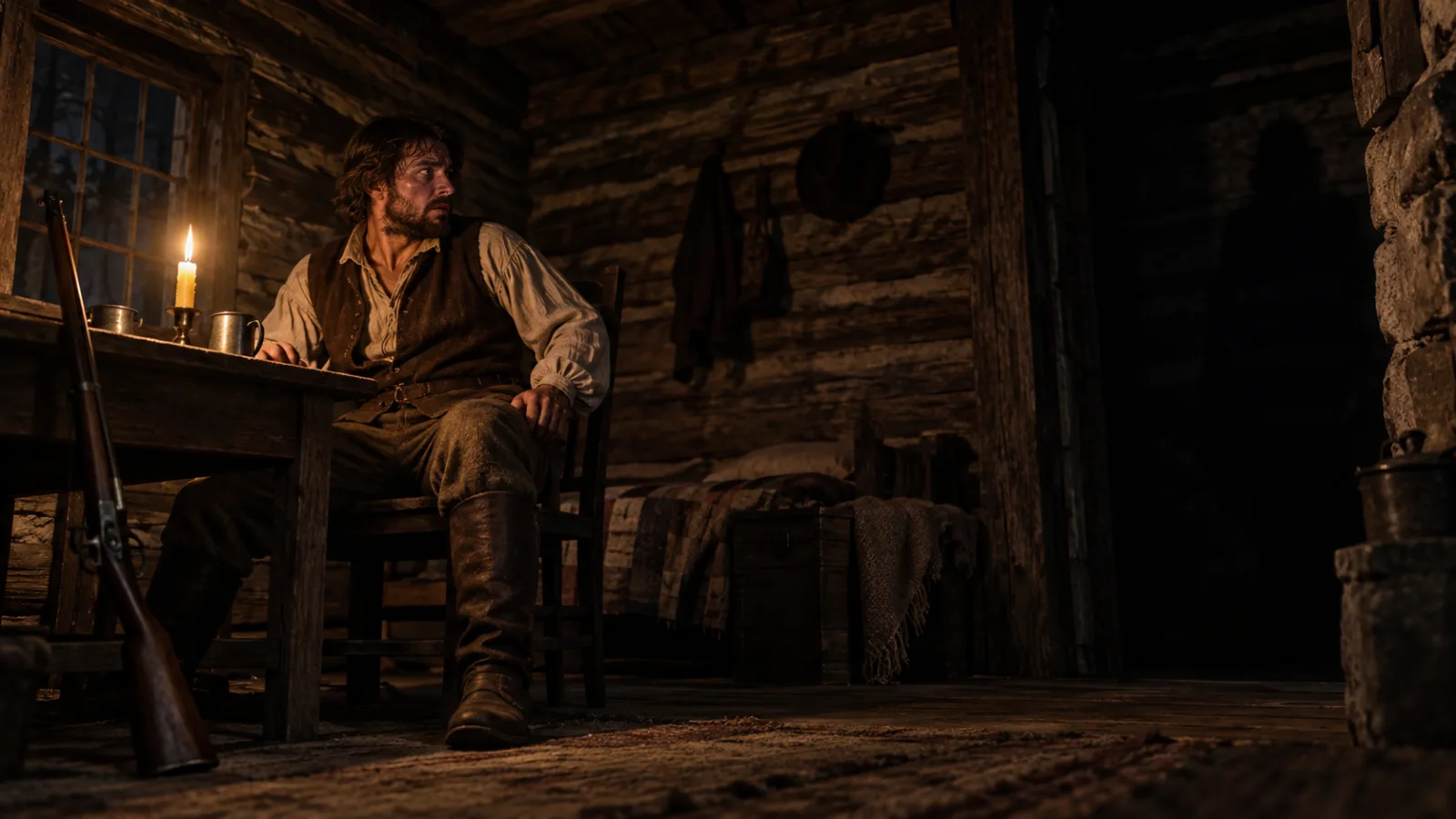
A farmer sits alone in his cabin, listening to something breathe in the dark. It scratches at the walls. It whispers his family's name. Over four years, it will claim to know things no stranger could know, speak in voices that aren't its own, and — according to the testimony of neighbors, a sitting United States senator, and even the man who would become the seventh president — it will allegedly do something no other reported haunting in American history has ever been said to do.
It will kill.
This is the story of the Bell Witch, the only case of alleged supernatural activity in American history that has been blamed, directly and by name, for a human death. What happened on a farm in rural Tennessee between 1817 and 1821 has never been explained — not by the people who lived through it, not by the historians who've studied it since, and not by the descendants who still tell the story today.
Red River, Tennessee: A Frontier Beginning
The place was Red River, in what's now Robertson County, Tennessee, near the Kentucky border. In 1804, John Bell moved his family from North Carolina to a stretch of fertile farmland along the river. By contemporary accounts, the Bells were respected. John Bell was a farmer and a deacon in the local Baptist church. His wife, Lucy, was remembered as kind and devout. They had several children, and by the time the haunting began, the youngest was a girl named Betsy, around twelve years old.
Red River in the early 1800s was frontier country — isolated farmsteads, dense woods, a tightly knit community bound together by church and family. There was no telegraph and no nearby newspaper to spread rumors quickly. Whatever happened at the Bell farm traveled first as whispers passed between neighbors who had, as far as the record shows, no reason to lie to one another.

The Haunting Begins
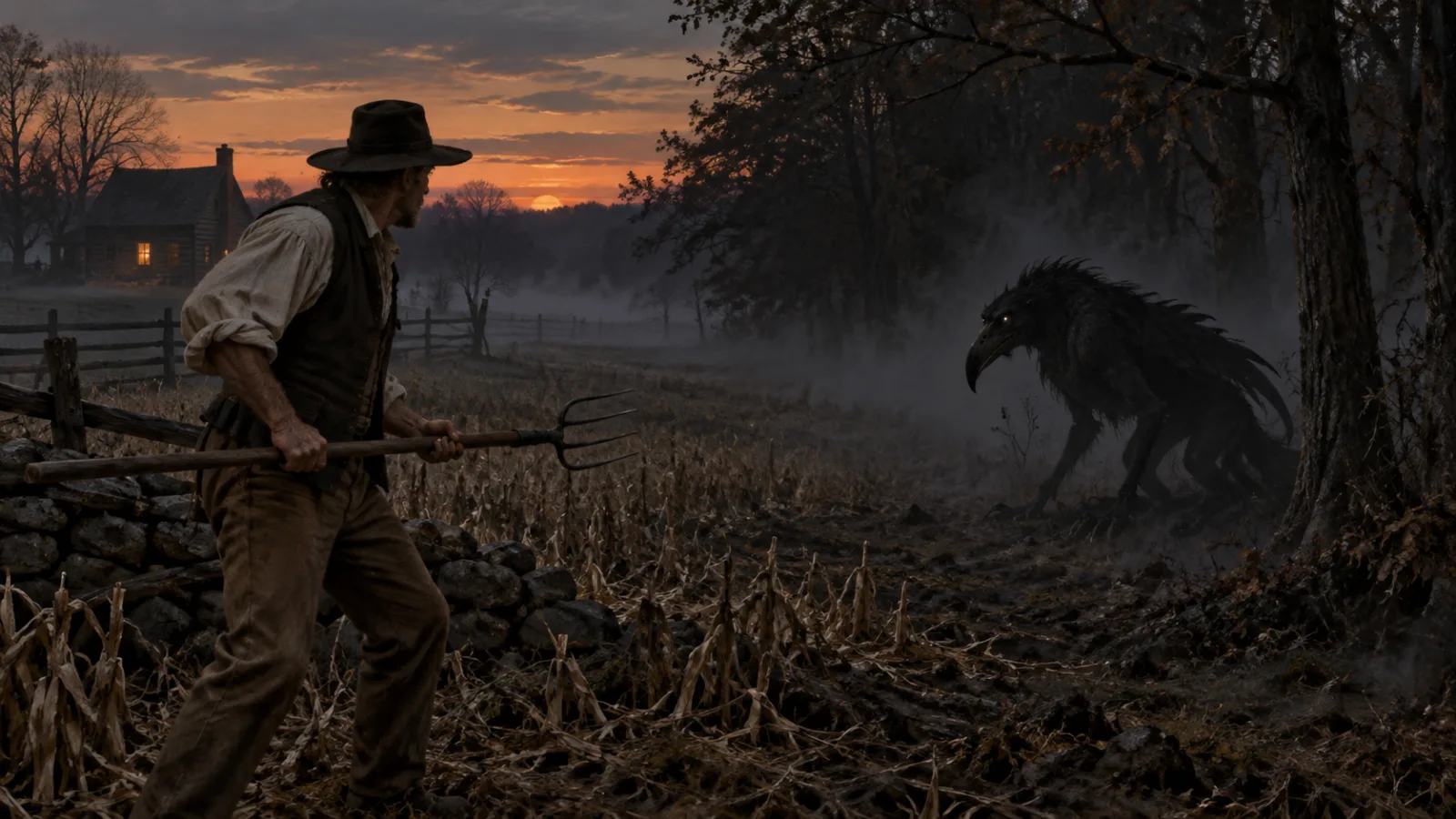
The trouble started, according to later accounts, in 1817. John Bell was out walking his land when he said he saw a strange animal — some described it as dog-like, others as bird-like — sitting at the edge of a field. He fired at it. It vanished. Around the same time, the family began hearing sounds at night: scratching on the outside walls, knocking, and something that seemed to drag itself across the roof or gnaw at the bedposts.
At first, it was just noise — disturbing, but explainable, the kind of thing you might blame on rats, wind, or an animal in the walls. But it escalated. The sounds moved indoors. Bedcovers were pulled from the children at night. Hair was tugged. And then, most disturbing of all, the entity began to speak.
Witnesses described a voice that started as whispers and grew into full, clear speech — sometimes multiple voices, distinct from each other, arguing, singing, or answering questions put to it by visitors. The presence identified itself in different ways over time: sometimes as a spirit disturbed in its grave, and in the most repeated version of the story, as a woman calling herself Kate — a name some later attached to a neighbor, Kate Batts, with whom John Bell reportedly had a land dispute.
This detail matters, because it's one of the few threads connecting the haunting to an actual grievance among the living. Whether that connection is meaningful, or simply a story that calcified over generations of retelling, is something historians still debate.
Witnesses, Neighbors, and a Future President
What sets the Bell Witch apart from countless other reported hauntings of the era is the sheer number of people who claimed to witness it directly, and the status some of those witnesses held. This wasn't an isolated family's private terror — neighbors came to the house and reported hearing the voice themselves.
Local tradition holds that General Andrew Jackson, years before he became president, traveled to the farm with a group of men to investigate, and that his wagon mysteriously stopped moving as it approached the property until the presence allegedly told them they could proceed. This story survives mainly through local tradition and later nineteenth-century retellings rather than any contemporary written record from Jackson himself, so historians treat it as part of the legend rather than a documented fact.
More firmly rooted in local written history is the involvement of the surrounding community as a whole. Richard Williams Bell, one of John Bell's sons, wrote an account decades later that became one of the foundational sources for the story. Local historian Martin V. Ingram compiled a detailed narrative in the 1890s, drawing on family recollections and community memory.
This is a crucial point for evaluating the evidence: these are not contemporary 1817 reports. They're recollections written down years, sometimes generations, after the events. Almost everything we know about the Bell Witch comes from after-the-fact testimony, not documents created at the time.

Betsy Bell's Torment
The entity, whatever it was, focused its cruelty overwhelmingly on two people: Betsy Bell and her father, John.
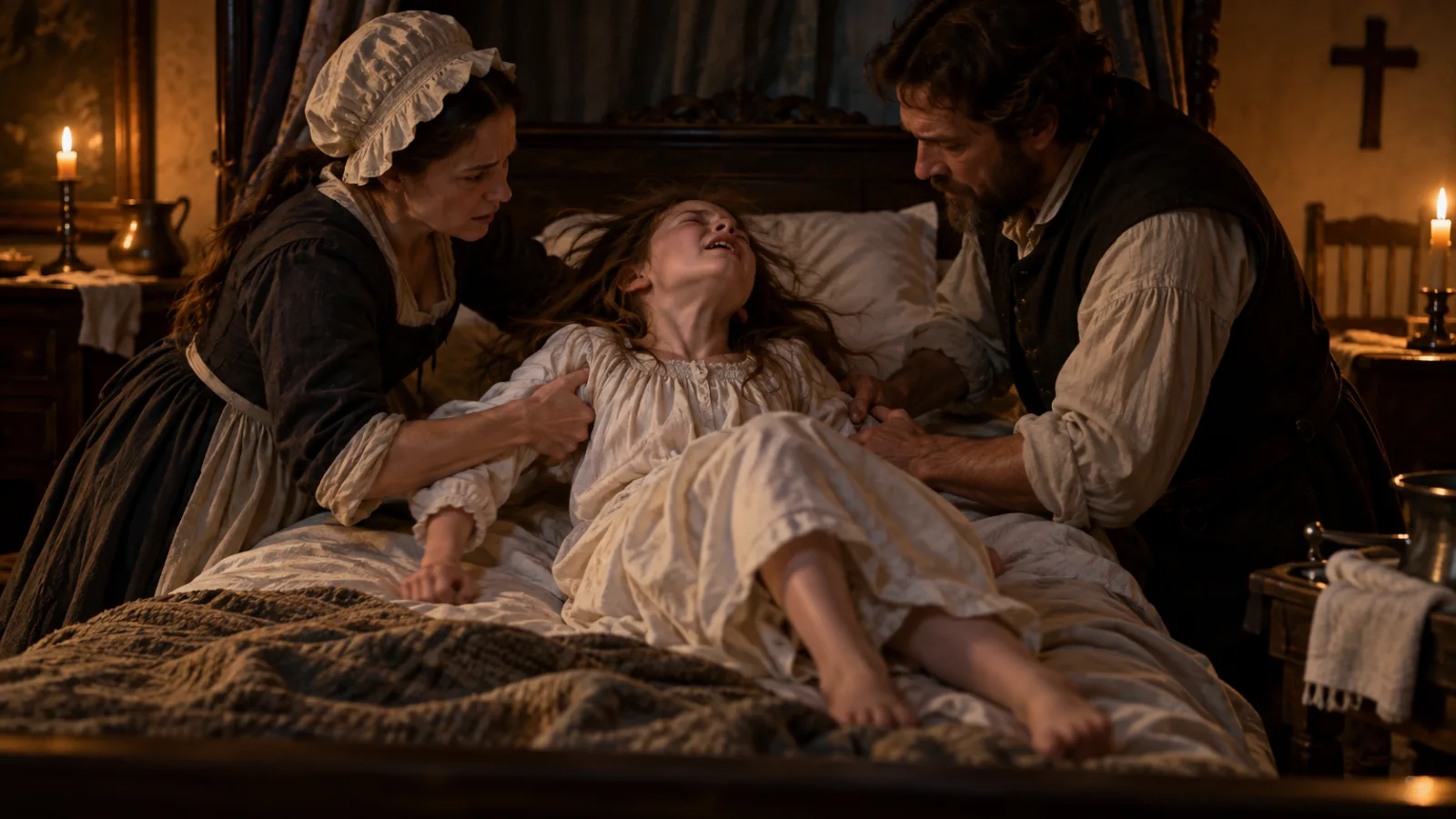
Betsy was reportedly tormented physically — pinched, slapped, stuck with pins, thrown into fits so severe that neighbors were called to hold her down. She was courting a young man named Joshua Gardner at the time, and witnesses said the voice expressed violent disapproval of the relationship, threatening her if she continued to see him. Under this pressure, Betsy eventually ended the engagement.
Some who have studied the case since have pointed to this detail as significant: a young girl on the edge of adolescence, in a household under enormous strain, whose torment seems to intensify around questions of control over her own choices and her body. That pattern is consistent with what modern researchers have documented in certain cases of poltergeist activity connected to adolescent stress — though that is a modern interpretive lens, not something anyone in 1817 would have used.
John Bell's Fatal Illness
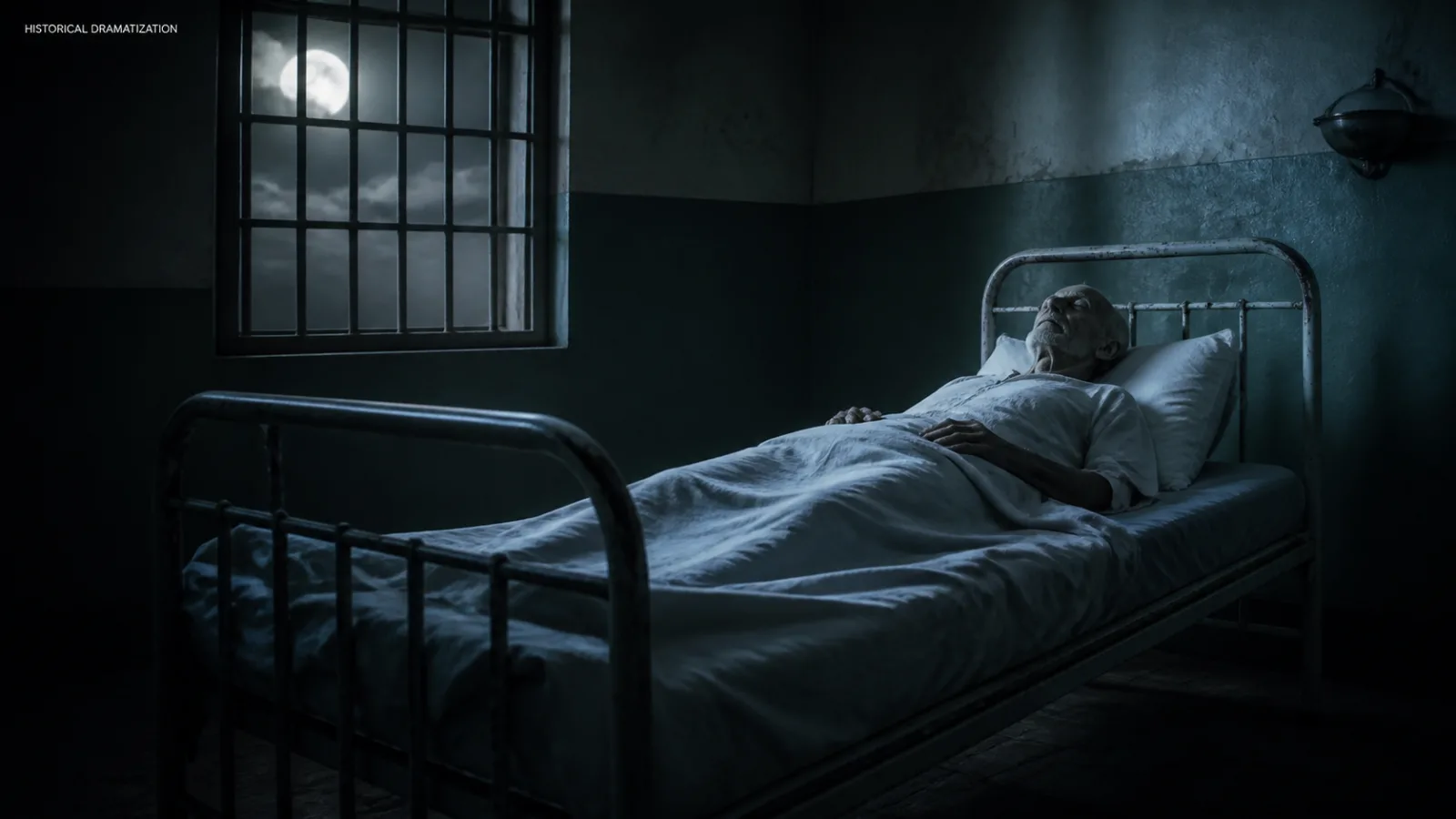
John Bell's suffering took a different, and ultimately fatal, form. Over the years of the haunting, he developed a mysterious illness. His face reportedly twitched uncontrollably. His tongue would swell so severely he struggled to eat. He experienced fainting spells and seizures. The entity, by multiple accounts, expressed open hostility toward him specifically, promising at various points that it intended to torment him until his death.
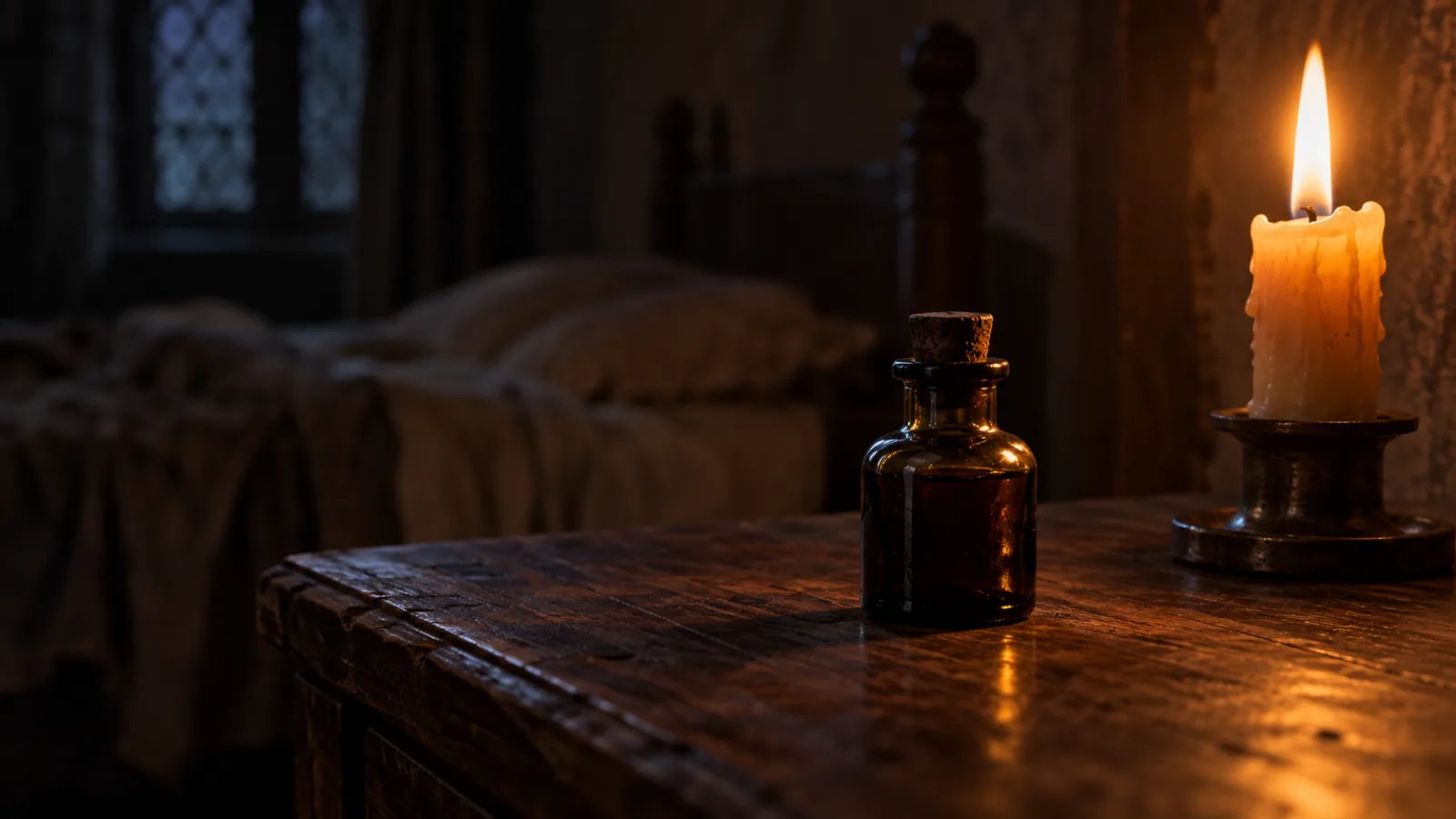
On December 20, 1820, John Bell was found unconscious. A small vial of dark liquid was discovered among his belongings — one that no one in the family recognized. According to the story passed down, the voice claimed responsibility for the substance, declaring it had poisoned him and that this would finally kill him. A portion of the liquid was reportedly tested on a family cat, which died shortly after. John Bell died the next day.
No death certificate in the modern sense has survived — this was frontier Tennessee, and documentation standards were nothing like today's. What survives instead is community memory, recorded decades later, insisting that at his funeral, the voice was heard singing and laughing.
After Bell's death, the activity reportedly diminished but didn't end immediately. The entity is said to have promised it would return, and later Bell family tradition holds that it did make brief appearances in the years afterward, though these later visits are far less documented than the original four years of disturbance.
What Actually Happened at Red River?
The most straightforward mundane explanation is legend growth and exaggeration. A real, isolated frontier family may have experienced ordinary hardships — John Bell's illness could have had a natural cause, such as facial neuralgia or a seizure disorder, unrelated to any curse, and Betsy's symptoms could reflect the intense psychological pressures on a young girl in a strict, isolated household. Over decades of retelling, in a community that loved a good story, these separate, explainable hardships could have fused into a single supernatural narrative. The fact that our best sources were written thirty, sixty, even eighty years after the events, by people with family reputations and book sales to consider, is a serious problem for anyone treating this as reliable eyewitness testimony in the modern sense.
A related theory points toward deliberate hoax. Some researchers have suggested Betsy herself, consciously or not, could have produced some of the phenomena — a theory sometimes applied to poltergeist cases involving adolescents, where trickery by a stressed young person gets misread by frightened adults as something external. Ventriloquism has also been proposed as an explanation for the voice, though no source from the period identifies anyone credibly demonstrating that skill.
And then there's the reading that takes the testimony at face value — that something in that house genuinely communicated, genuinely inflicted harm, and genuinely expressed a grievance against John Bell specifically, whether tied to Kate Batts or something else entirely lost to history. This interpretation isn't provable, but it's also not something you can dismiss purely on the number of witnesses involved, since the Bell Witch case has one of the largest reported contemporary witness bases of any haunting in American folklore.
Why the Story Still Endures
What makes this case endure, more than a century after Ingram first compiled it into a book, isn't just the ghost story — it's the specificity. A named victim. A named date of death. A vial of unidentified liquid that, if the story is true even in part, represents the only physical evidence ever associated with a supernatural killing in American history. And it's completely gone. No sample survives. No modern chemist has ever analyzed it. We are left only with the story that it existed, told by people who were not there to see it poured.
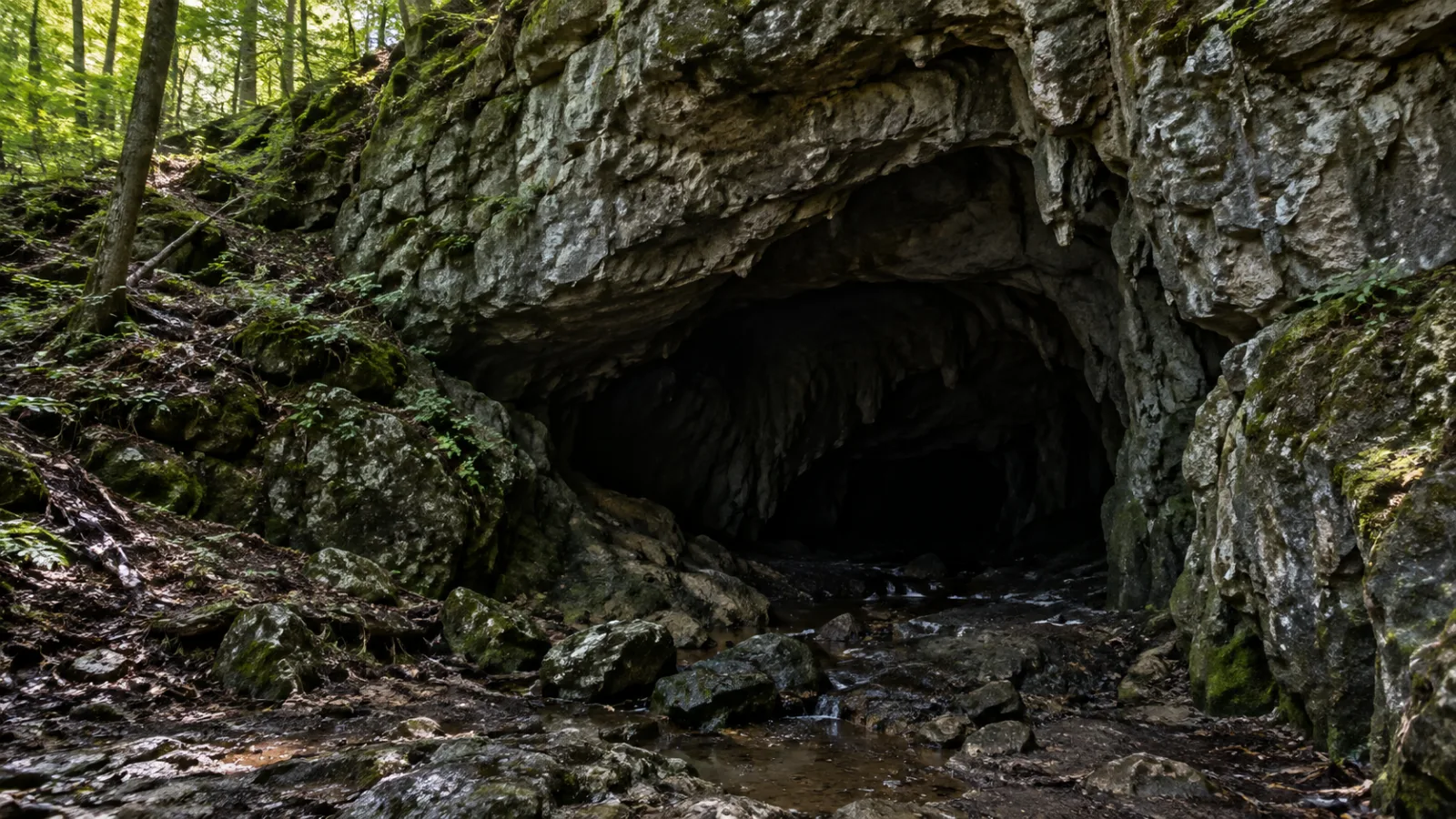
The cave on what was once Bell property still exists near what's now Adams, Tennessee, and generations of visitors have reported strange sounds and sensations within it. Whether that's atmosphere, suggestion, or something else is, like everything else in this story, entirely up to what you're willing to believe.
But the detail that lingers, the one nobody has ever been able to explain away with poison, pressure, or poltergeists, is this: witnesses across multiple independent accounts insisted the voice knew things. Details about neighbors' private conversations. Secrets nobody outside a single household could have known. If the Bell Witch was a hoax, it was a hoax that somehow had access to information it should never have had.