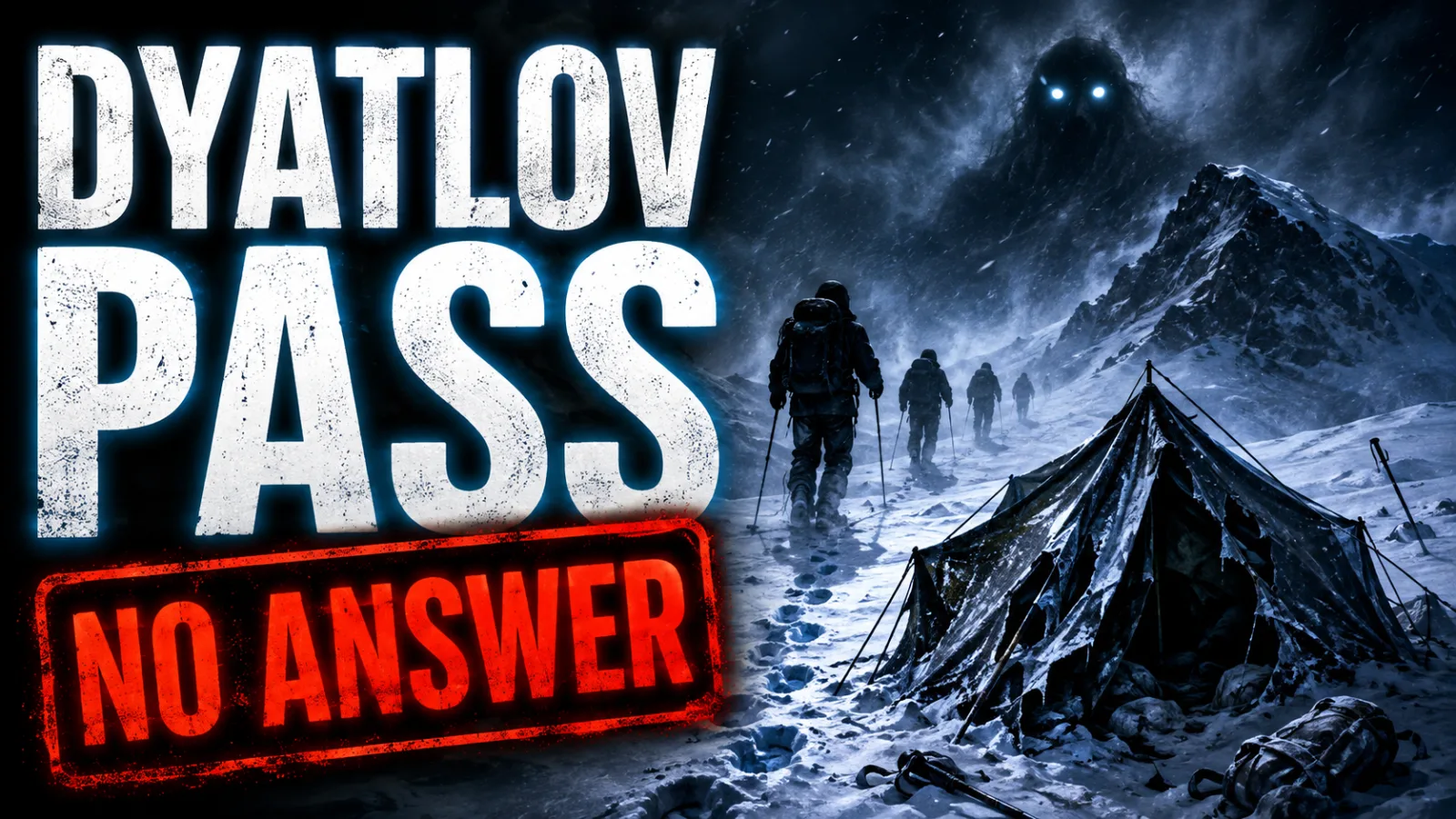
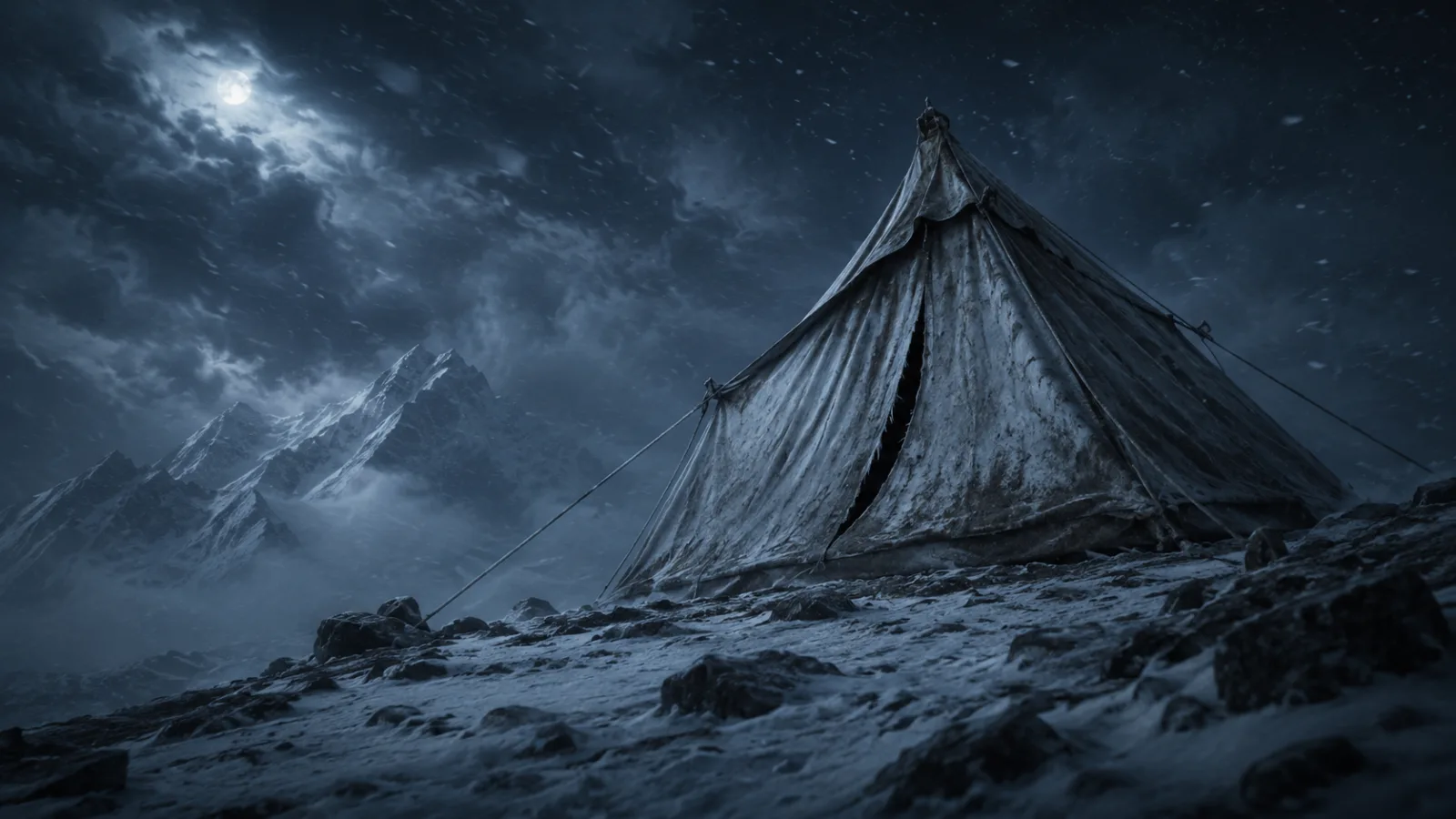
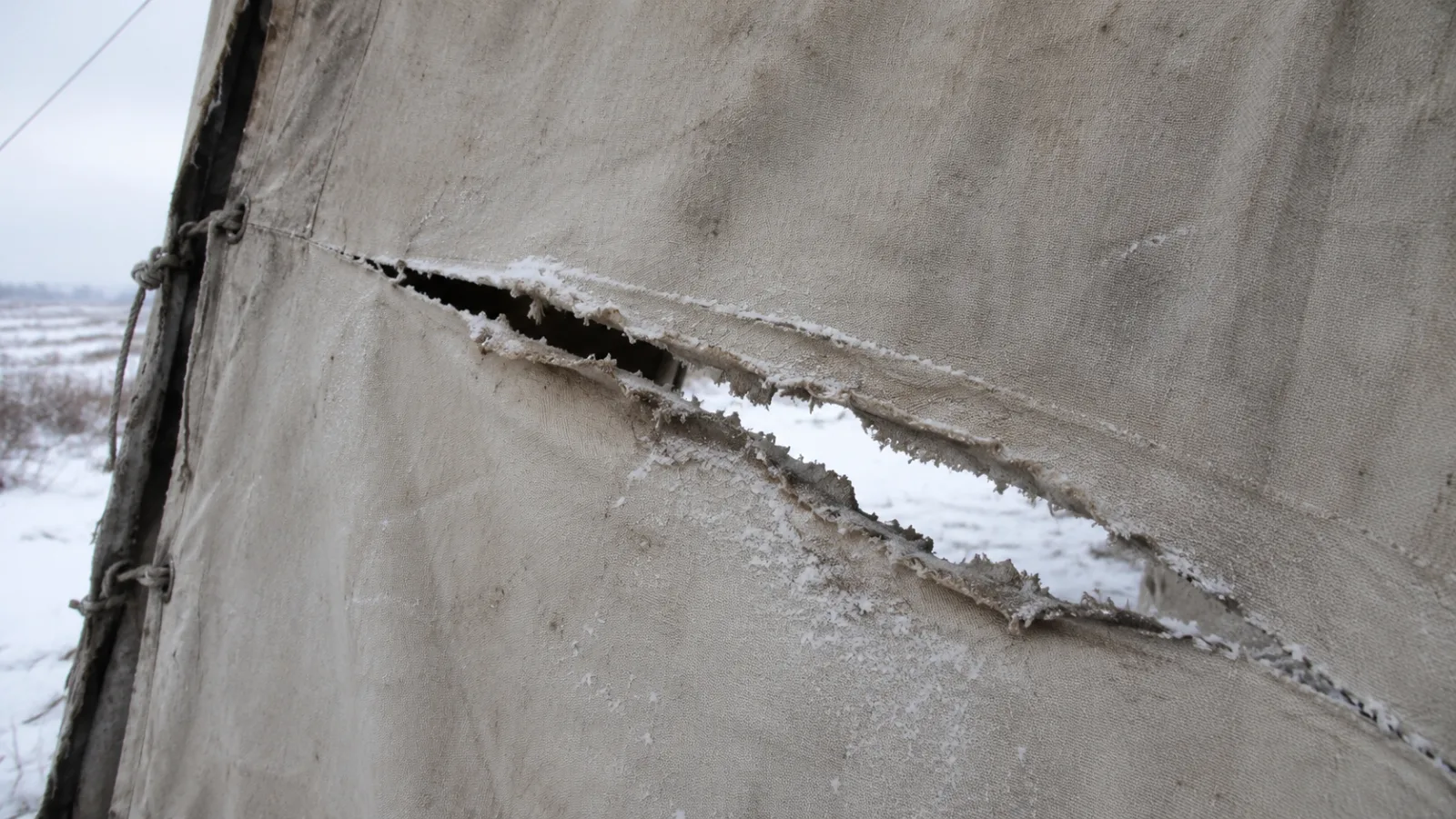
The tent was cut from the inside.
That is the detail investigators have kept returning to for more than sixty years — the one that refuses to sit comfortably alongside any tidy explanation. Nine hikers, deep in the frozen Ural Mountains, sliced their way out of their own shelter in the middle of a February night, in temperatures far below freezing, and ran into the darkness without their coats and without their boots. Some of them wore barely any clothing at all.
They never came back.
This is the story of what happened on the slopes of a mountain the local Mansi people called the Mountain of the Dead. Decades later, with the case file declassified, the bodies exhumed and re-examined, and modern forensic science applied to nine deaths from 1959, there still isn't a single answer that explains everything. There are pieces, a timeline, and a mystery that has outlived the Soviet Union itself.
Who the Hikers Were
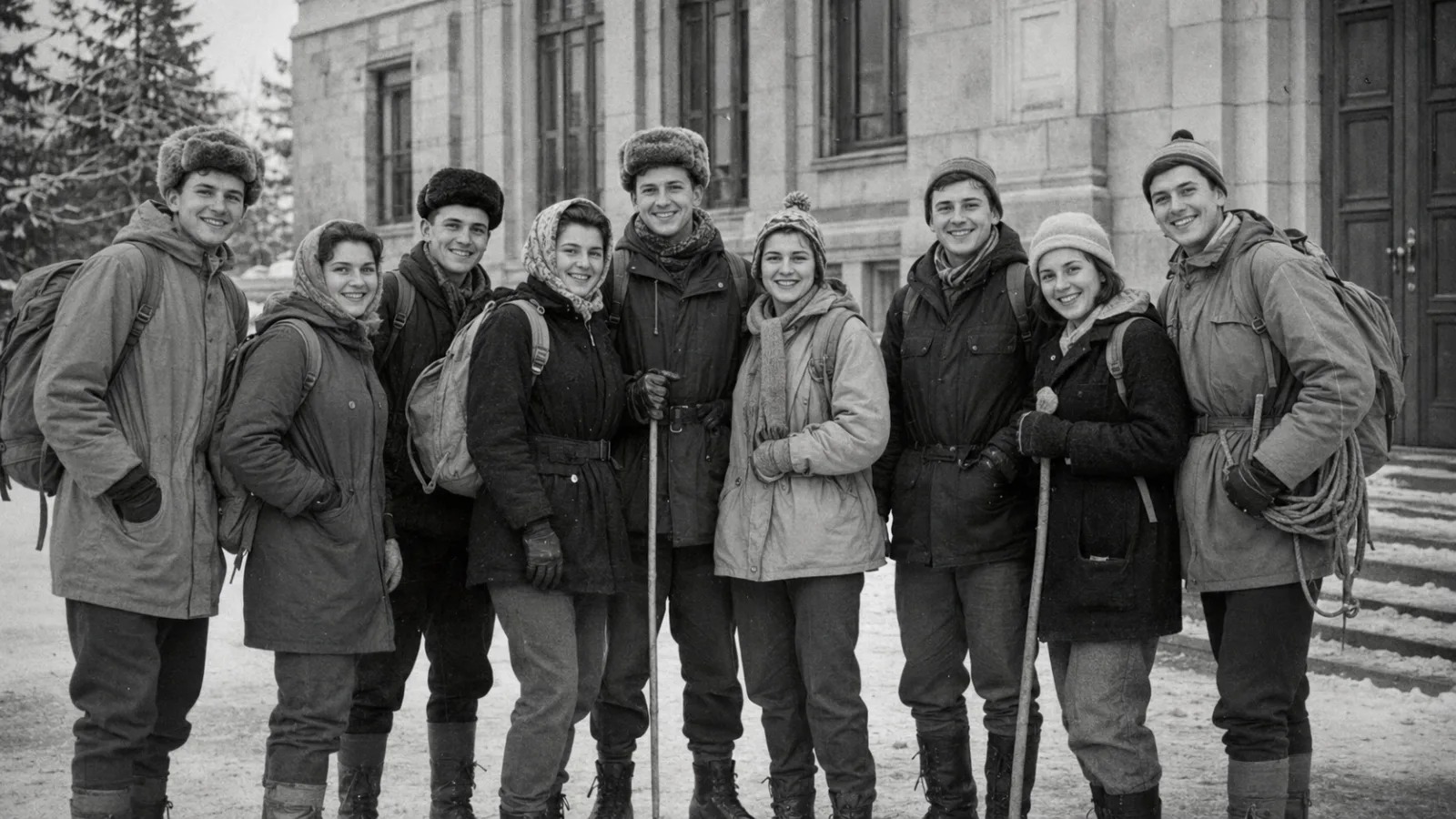
To understand what happened, it helps to understand who these nine people were. They weren't reckless amateurs. They were students and graduates of the Ural Polytechnic Institute, experienced winter hikers led by a 23-year-old engineering student named Igor Dyatlov. The expedition would eventually take his name, though at the time it was simply a category-three ski trek — the most difficult grade in the Soviet hiking classification system — planned to cross the northern Urals and summit a mountain called Otorten.
In late January 1959, ten hikers set out by train, then truck, then on foot into a region remote even by Soviet standards. One of them, Yuri Yudin, turned back early after his chronic health problems flared up. That decision saved his life. He became the last person to see the other nine alive, and he spent the rest of his own life trying to understand why he was the one who survived.
The remaining nine pushed on: five men and two women, all experienced outdoorspeople in their early twenties, disciplined and well-equipped for the era, following a route they had planned meticulously. Recovered diaries and photographs show a group in good spirits — jokes, songs around the fire, no sign of dread.
The Fateful Campsite
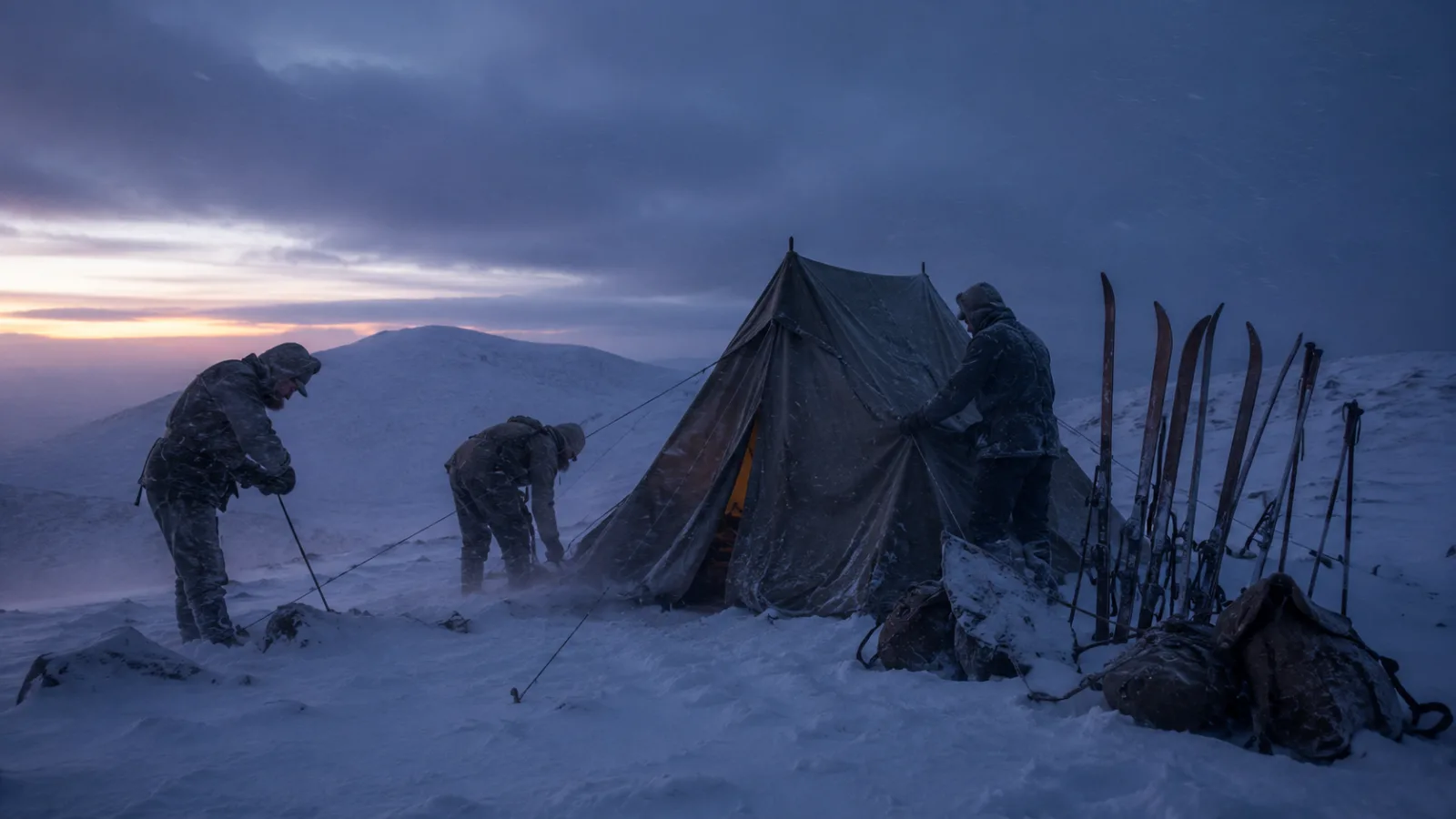
On February 1, the group began climbing the slope of a mountain later renamed Kholat Syakhl, often translated from Mansi as "Mountain of the Dead" — a name it carried long before this incident, tied to older local tragedies and folklore. Because of worsening weather, they made a decision that seemed reasonable at the time: rather than descend to the tree line for better shelter, they pitched their tent directly on the open slope, apparently intending an early start the next morning.
That tent became the last known scene of nine ordinary lives.
What Searchers Found
When the hikers failed to check in on their expected date, a search was launched. It took until February 26 for searchers to find the tent, half collapsed under snow on the slope of Kholat Syakhl.
It had been cut open from the inside.
Skis were still stacked outside as a makeshift porch. Boots were left behind. Warm coats sat folded inside. Whatever drove nine experienced winter hikers to slash their way out of a sturdy tent, in temperatures that likely sat between fifteen and thirty degrees below zero Fahrenheit, was something they judged more dangerous than the cold itself.
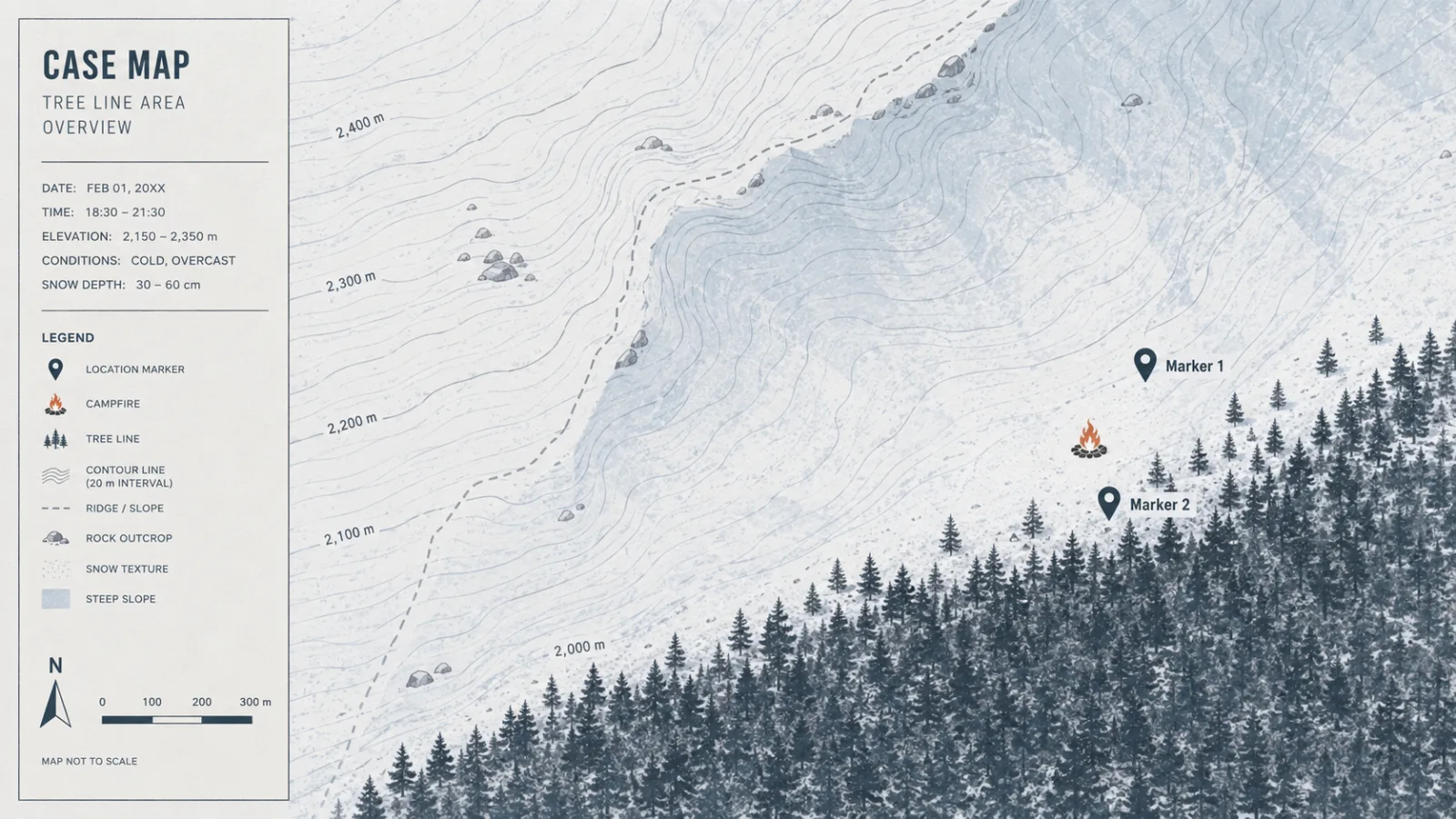
Footprints — some in socks, some barefoot, some in a single shoe — led away from the tent toward the tree line more than a kilometer below. There were no signs of struggle at the campsite and no signs of a chaotic chase, just a steady, deliberate retreat down the mountain and into the dark.
The First Four Bodies
At the tree line, searchers found the remains of a small fire and, nearby, the bodies of Yuri Doroshenko and Yuri Krivonischenko, dressed only in underwear despite the extreme cold. Close by, the body of Igor Dyatlov was found, seemingly making his way back up toward the tent. Not far away lay Zinaida Kolmogorova, also apparently trying to return. And the body of Rustem Slobodin had a fractured skull, though investigators did not initially consider it severe enough on its own to be fatal.
Autopsies concluded these first four discovered had died primarily of hypothermia.
A Darker Discovery
It took until May, when the snow finally melted, for searchers to find the remaining four. They were discovered in a ravine under several meters of snow, further into the forest — and this is where the case turns from tragic to deeply strange.
Three of these four had catastrophic injuries. Nikolai Thibeaux-Brignolles had a fractured skull. Lyudmila Dubinina and Alexander Zolotaryov had severe chest fractures — the kind of blunt-force trauma, according to the medical examiner, typically associated with a high-speed car crash. Yet there was no external bruising or broken skin consistent with a beating or a fall onto rock. One investigator at the time compared the force involved to a vehicle impact while noting the total absence of the soft-tissue damage you'd expect from a direct blow.
Dubinina was also missing her tongue, along with her eyes, part of her lips, and some facial tissue. This detail fueled decades of speculation, though forensic experts have since pointed to a more mundane, if unsettling, explanation: bodies submerged in a running stream for months, exposed to small scavengers and natural decomposition, can sustain exactly this kind of soft-tissue loss.

The Official Verdict — and What Came After
The official Soviet investigation, concluded in May 1959, closed the case with a strikingly vague verdict: that the hikers died as a result of "a compelling natural force." The files were sealed, and for decades the matter received little public attention beyond quiet rumor.
So what actually happened on that mountain?
The Avalanche Theory
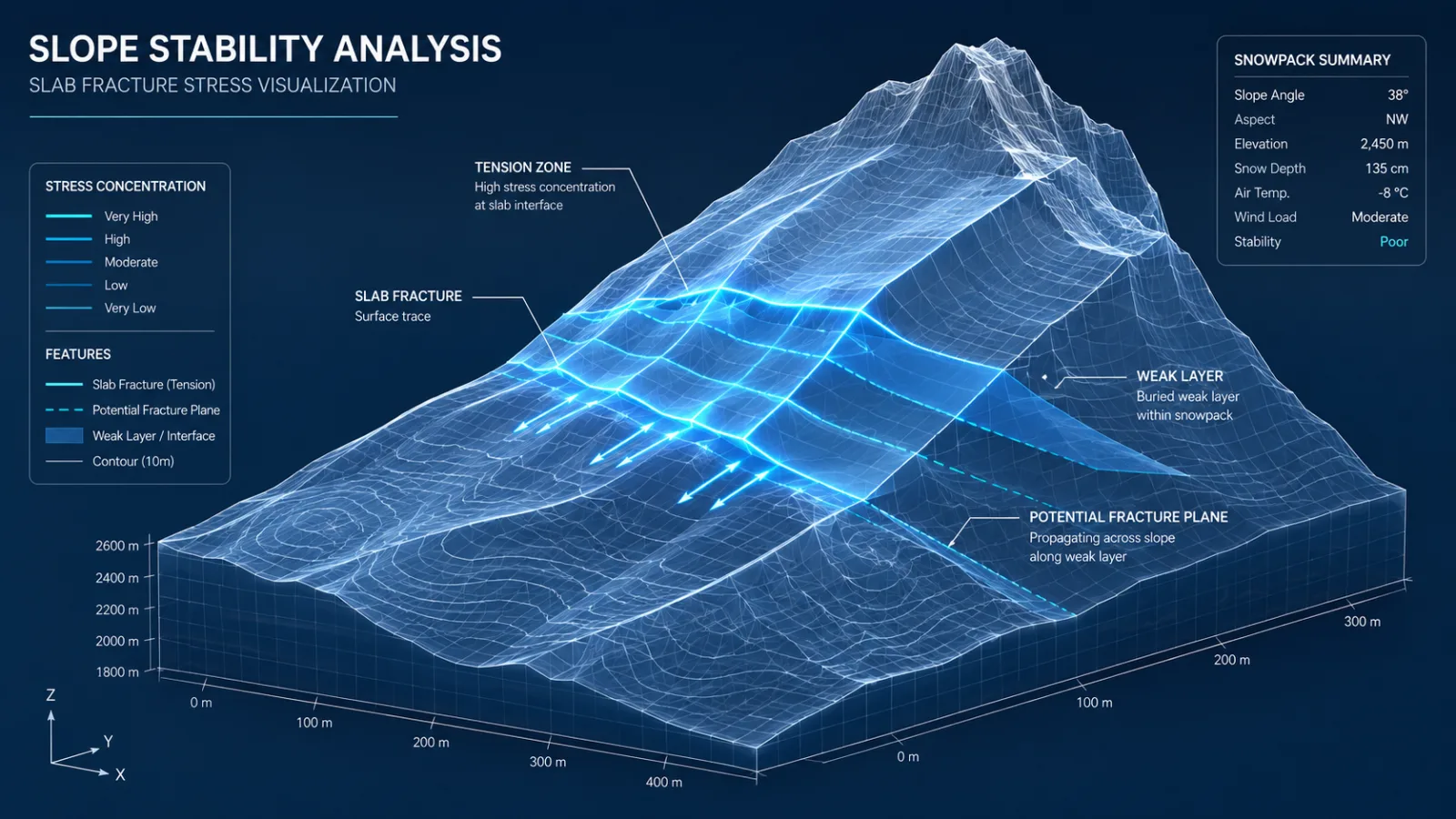
The most widely supported modern explanation centers on an avalanche — though not the dramatic, cinematic snowslide the word usually conjures. Researchers studying the slope's angle, snow composition, and the way the tent had been cut and partially buried have proposed a "slab avalanche," a smaller, localized slide of packed snow that could occur on a slope not steep enough to trigger a typical avalanche warning. A team of Swiss and Russian researchers, publishing snow-slab modeling analysis in 2021, argued this type of delayed slide was physically plausible given the terrain and the way the hikers had cut into the slope to pitch their tent — potentially explaining blunt trauma without external bruising, since a compacting snow slab can crush without breaking skin.
Critics point out that the tent's position and condition when found didn't show classic avalanche burial patterns, and that if snow struck with such force, it's unclear why other hikers in the same tent escaped serious injury entirely. Supporters respond that the theory doesn't require a large or dramatic slide — only a small, localized displacement, enough to injure a few unlucky sleepers and terrify the group into a panicked, poorly judged retreat into subzero darkness.
Other Theories
Other explanations have circulated over the decades:
- Katabatic winds — extreme localized windstorms known to occur in mountainous terrain, capable of frightening people out of shelter and causing severe hypothermia.
- Infrasound — low-frequency sound waves generated by wind moving across the mountain's contours, theorized to cause disorientation or panic, though this remains speculative and hard to test after the fact.
- Cold War intrigue — the idea that the group stumbled into a secret military test involving experimental weaponry, with the strange condition of some clothing (which testing showed had elevated but not unusual radioactivity) cited as evidence of a cover-up.
Investigators favoring natural-cause explanations note that some radioactive trace elements common in that era were used in certain lens coatings and consumer goods, and that a full-scale military cover-up is difficult to reconcile with the fact that Soviet authorities allowed an investigation, a burial with honors, and eventual quiet contact with grieving families.
Russian prosecutors reopened the case in 2019 at the request of victims' relatives, and their 2020 conclusion pointed to an avalanche as the most probable cause — though the reinvestigation has not fully settled public or scientific debate.
What We Still Don't Know
What remains undisputed is this: nine capable, prepared people made a decision in the middle of the night that led to their deaths. Whatever they saw, heard, or felt inside that tent was frightening enough to override every instinct of survival that had gotten them safely through that mountain range in the first place.
The physical evidence tells us a great deal — the cuts in the tent fabric, the direction of the footprints, the injuries, the makeshift fire, the desperate climb back up the slope by some and the retreat further down by others. But it cannot fully tell us why. Science can explain how bodies might fracture without bruising. It cannot fully explain the specific, human terror that sent nine people into a Ural winter night wearing socks instead of boots.
More than six decades later, the Dyatlov Pass remains one of the rare cases where the forensic record is extensive and the investigation was real and documented — yet consensus still doesn't exist. The avalanche theory has the strongest scientific backing today. But strongest is not the same as certain.
The mountain keeps at least part of its answer.