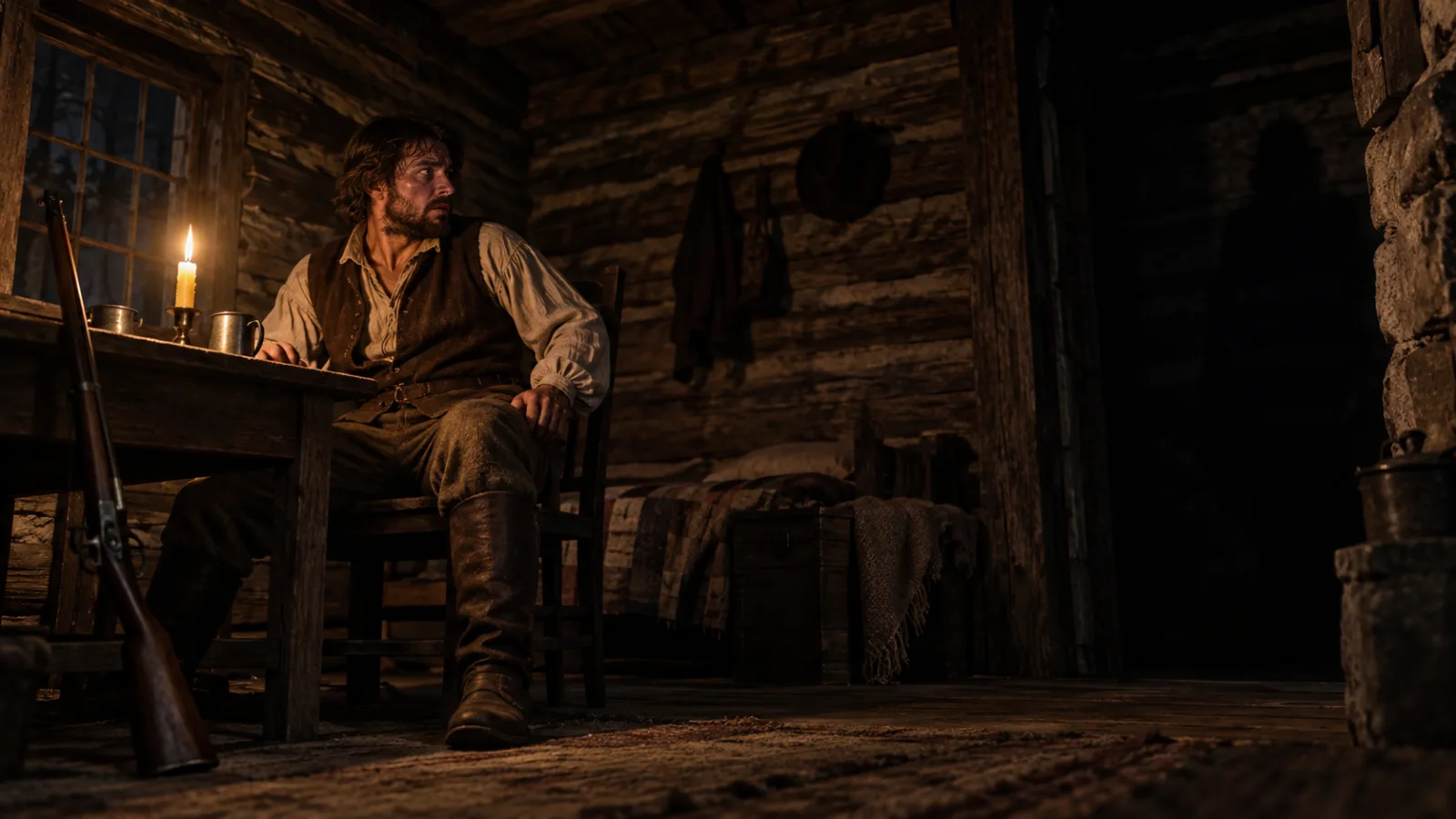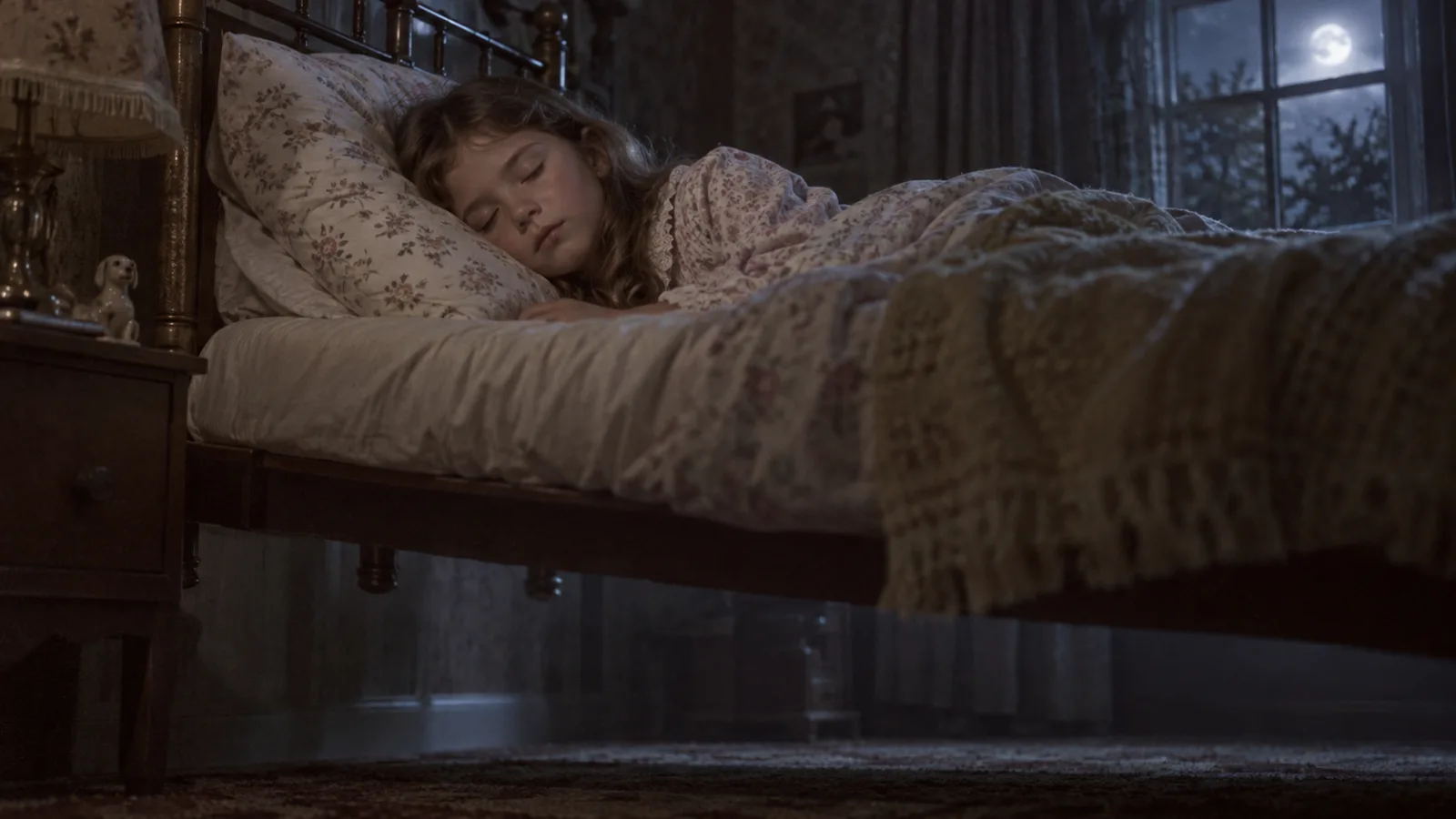
A single bed lifts off the floor and hovers in the dark. A four-year-old girl sleeps in it, undisturbed. Her sister watches from across the room, too frightened to scream. Downstairs, a chest of drawers has already dragged itself across the carpet, blocking a doorway that no one touched.
This is a council house on Green Street, in the London suburb of Enfield, in the summer of 1977. Over the next fourteen months, this ordinary home would become the site of one of the most documented, most argued-over cases of alleged poltergeist activity in modern history. Investigators would fill thirty audio tapes with strange knocking, furniture would be photographed mid-flight, and two seasoned researchers would swear they witnessed things they could not explain.
Was it a spirit refusing to leave a house it once called home? Two children playing an elaborate trick on the adults around them? Or something in between: real distress, amplified by fear, coincidence, and the media into a legend? The people who lived through it never fully agreed. Neither, still, do the experts who studied it.
The House and the Family on Green Street
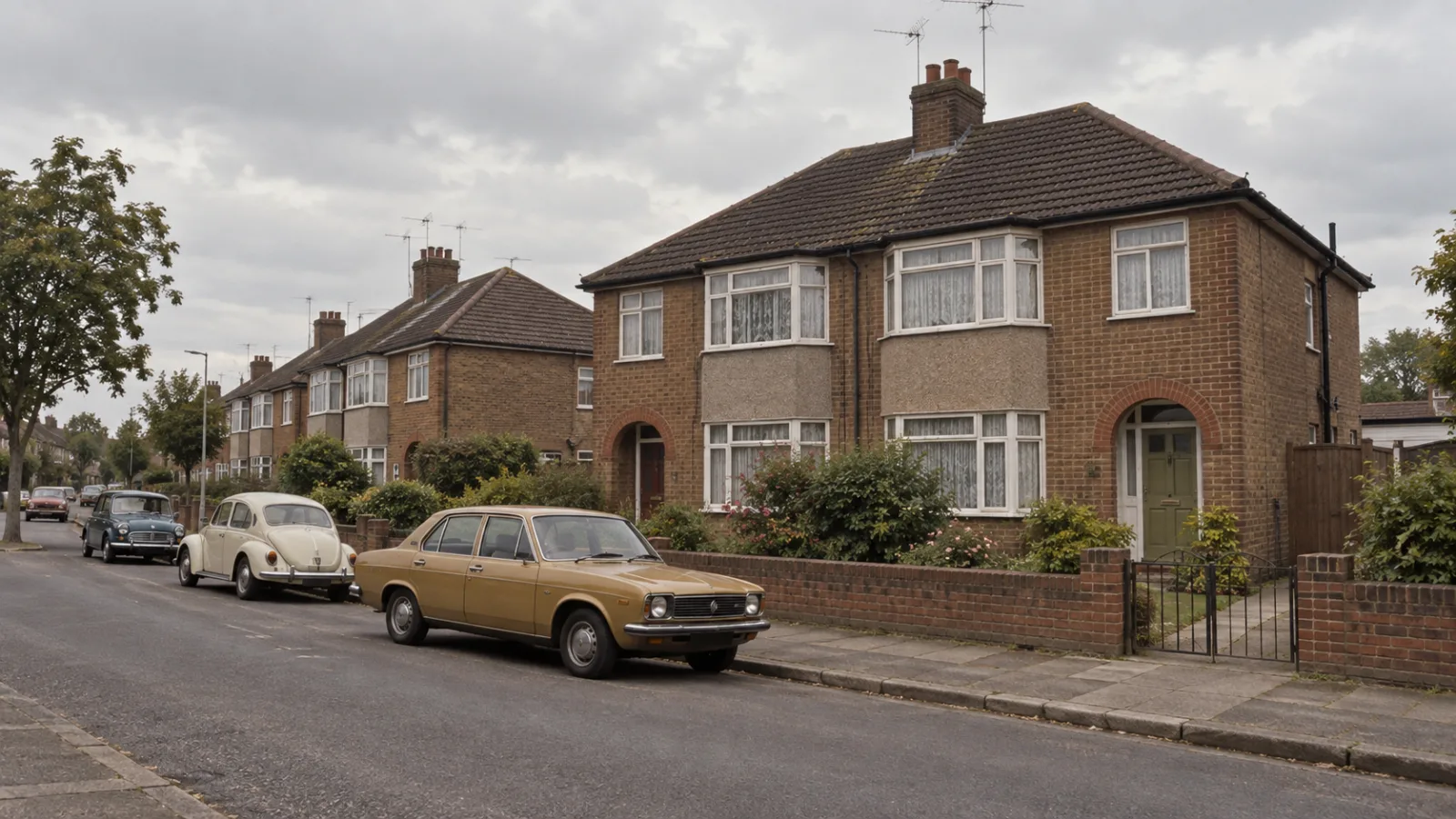
To understand what happened, you need to picture the house itself, and the family inside it. It was an unremarkable semi-detached home, part of a modest council estate. It belonged to Peggy Hodgson, a divorced mother of four raising her children largely on her own. Money was tight. Life was ordinary, in the way most working-class lives in 1970s Britain were ordinary: school in the mornings, tea in the evenings, nothing to suggest the family would soon be the subject of newspaper headlines and television cameras.
The Disturbances Begin
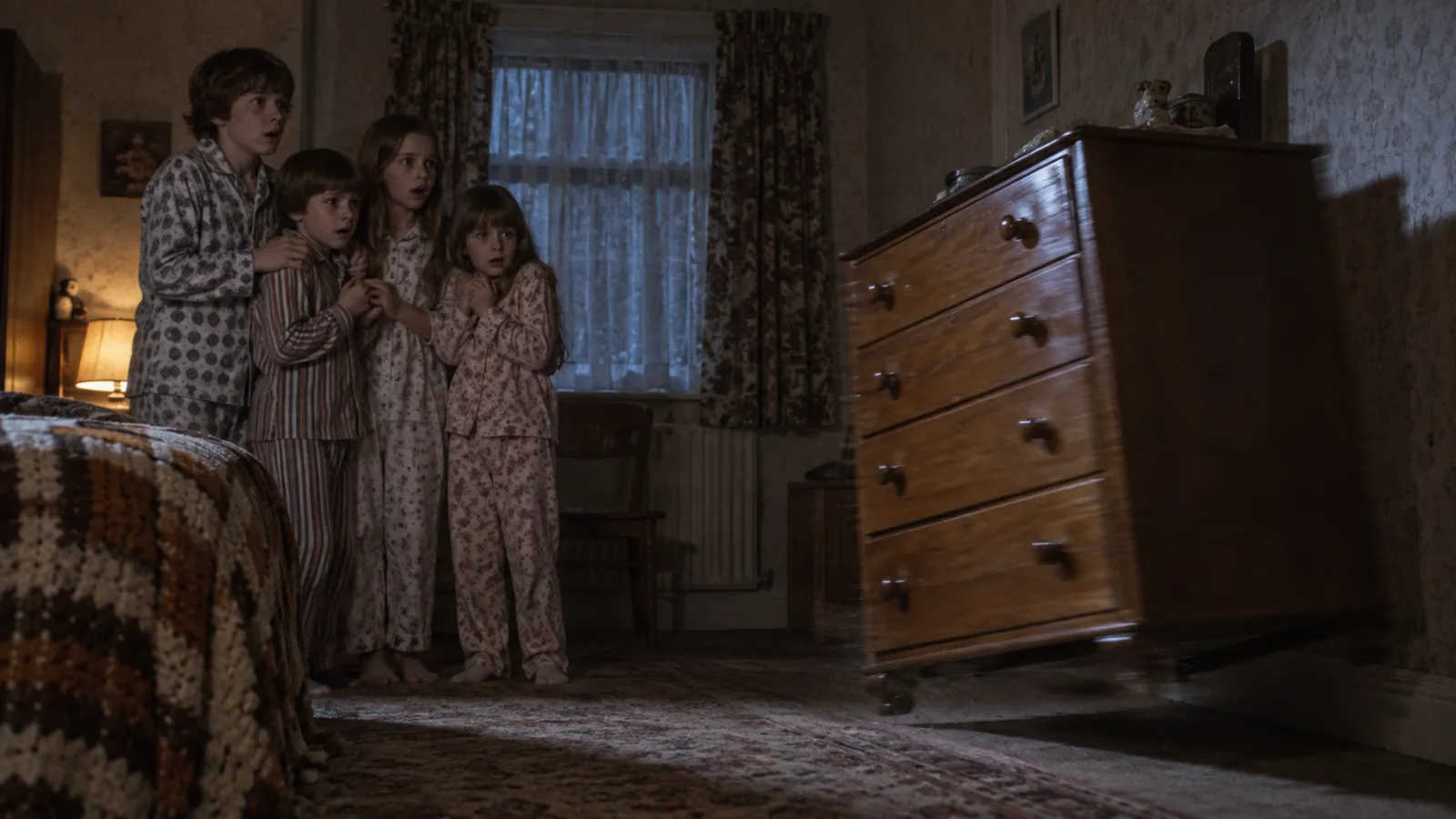
The disturbances reportedly began on the night of August 31, 1977. Peggy's children, including eleven-year-old Janet, her brother, and two sisters, said they heard a shuffling noise, then watched a chest of drawers slide four feet across the bedroom floor by itself. Peggy pushed it back. It moved again.
She would later say she checked underneath the house and along the walls for wires, for hidden mechanisms, for any rational explanation she could find on her own, before ever calling anyone else.
A Police Officer Witnesses a Moving Chair
She called the police first. A young constable, Carolyn Heeps, came to investigate and reportedly saw a chair slide several inches across the floor on its own, in front of her. She could offer no explanation. Notably, the police did not press criminal charges or treat it as a case of mischief: sliding furniture wasn't itself illegal, and in her account she saw nothing indicating a person had caused it.
Unsatisfied and unnerved, Peggy turned to her newspaper, which in turn contacted the Society for Psychical Research, a body founded in 1882 to apply serious, methodical investigation to claims of the paranormal.
Grosse and Playfair Take the Case
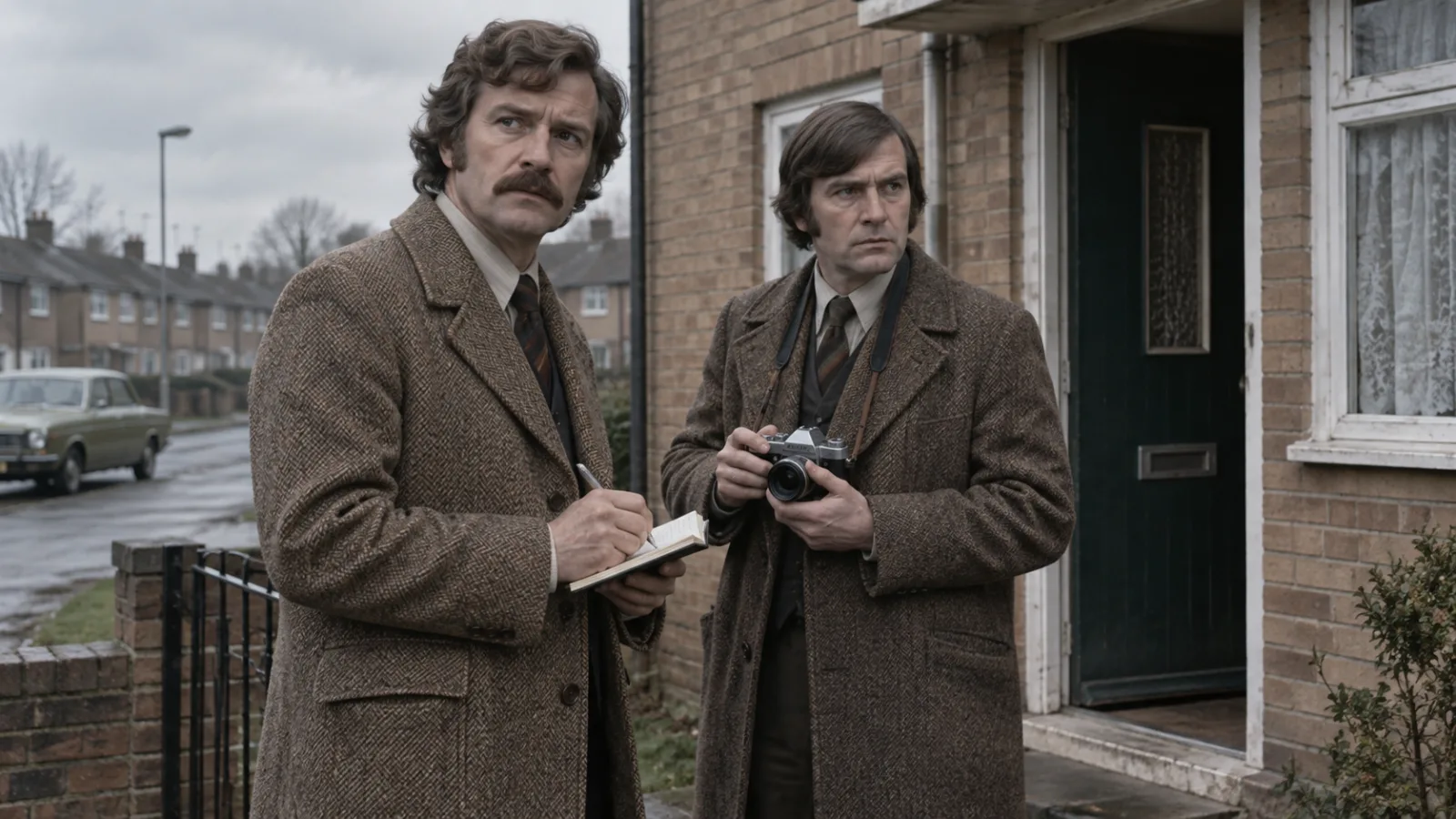
That call brought two men to Green Street who would become central to the story:
- Maurice Grosse, a research engineer new to the Society, investigating his first major case.
- Guy Lyon Playfair, a writer with previous experience researching poltergeist phenomena in Brazil.
Between them, they would spend well over a year returning to the house, interviewing the family, and trying to record whatever was happening.
What Was Documented
What they documented was strange by any measure:
- Knocking sounds on the walls, seemingly in response to questions.
- Marbles and small toys said to fly across rooms.
- Recordings of a low, guttural, adult-sounding voice apparently coming from young Janet, speaking in short, gruff sentences.
- Reports from journalists and neighbors of curtains flapping without a draft.
At one point the voice claimed to be a man named Bill Wilkins, who said he had died in the house of a hemorrhage, in a chair in the corner of the front room.
Photographs were also taken showing Janet apparently levitating above her bed. Critics would later point out that the same photographs could just as easily capture the split second of an energetic child bouncing on a mattress.
The Voice
The voice was arguably the most startling piece of evidence, and also the most contested. Doctors who examined Janet's throat during the period reportedly found nothing physically unusual to explain the sound. Some researchers argued it would be extraordinarily difficult for an eleven-year-old to sustain that kind of rasping voice for extended stretches without strain.
Skeptics countered that unusual voices, including this kind of deep, throat-based technique, are within the range of things ventriloquists and children mimicking adults can learn to produce, especially with practice. Janet, they noted, had every opportunity to rehearse alone.

Caught Faking
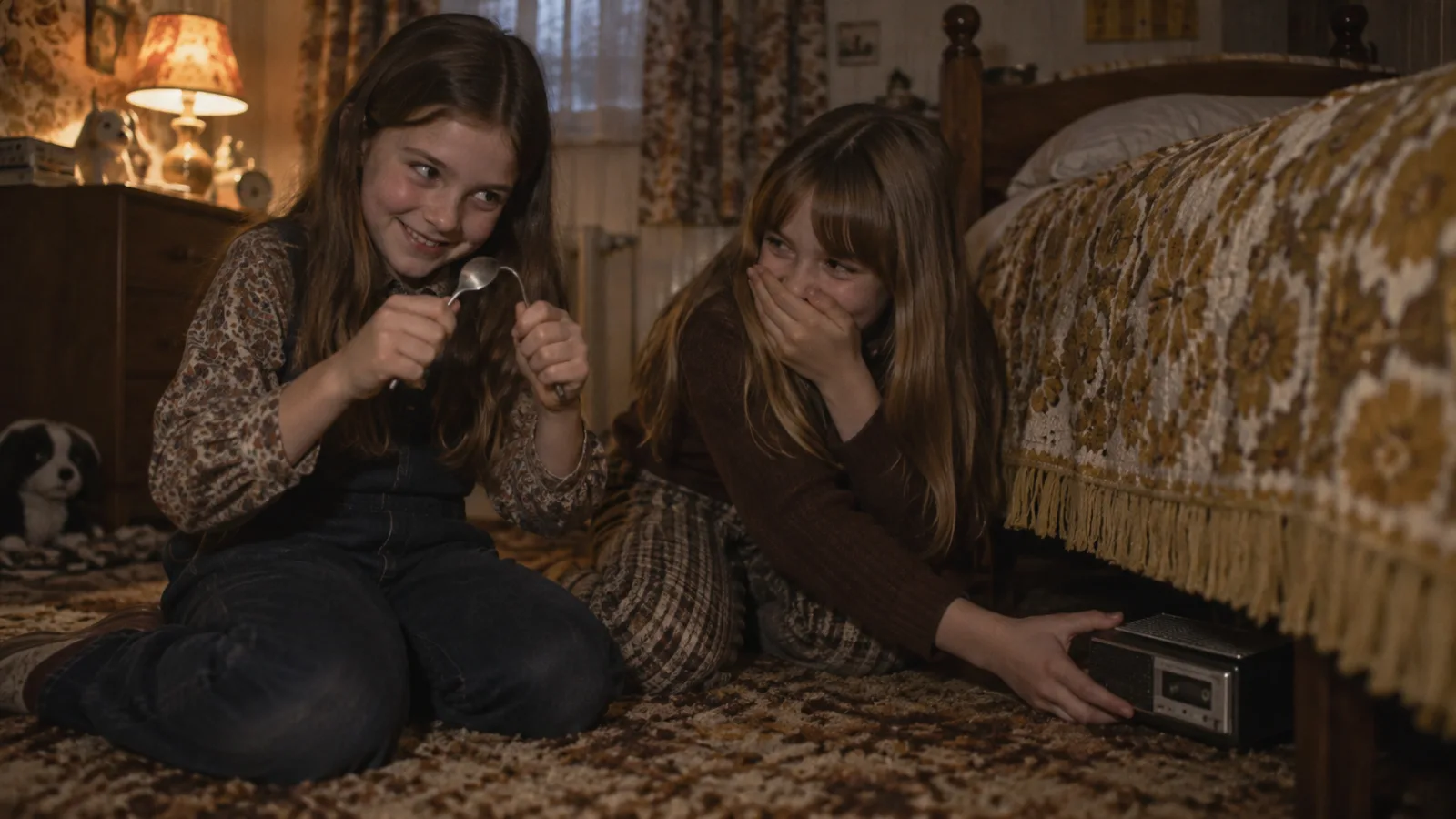
Here is the complication that sits at the heart of the entire case: the children were, on at least two documented occasions, caught faking phenomena. Janet and her sister admitted, when confronted, to bending spoons by hand and hiding recording equipment to fake a few effects. They said it was for the fun of tricking investigators, who left them alone for stretches while adults chatted downstairs.
Some photographs used in press coverage were later criticized as staged reenactments taken after the fact, not the original moments. Maurice Grosse himself acknowledged that a portion of the case involved the children playing games. But he maintained that this did not account for everything he witnessed personally, including, he said, a solid armchair flipping over with no one nearby, and knocking sounds that responded intelligently to his own private, unspoken questions.
Skeptics and Believers
This is where the case splits almost every serious investigator who has looked at it.
The Skeptical Case
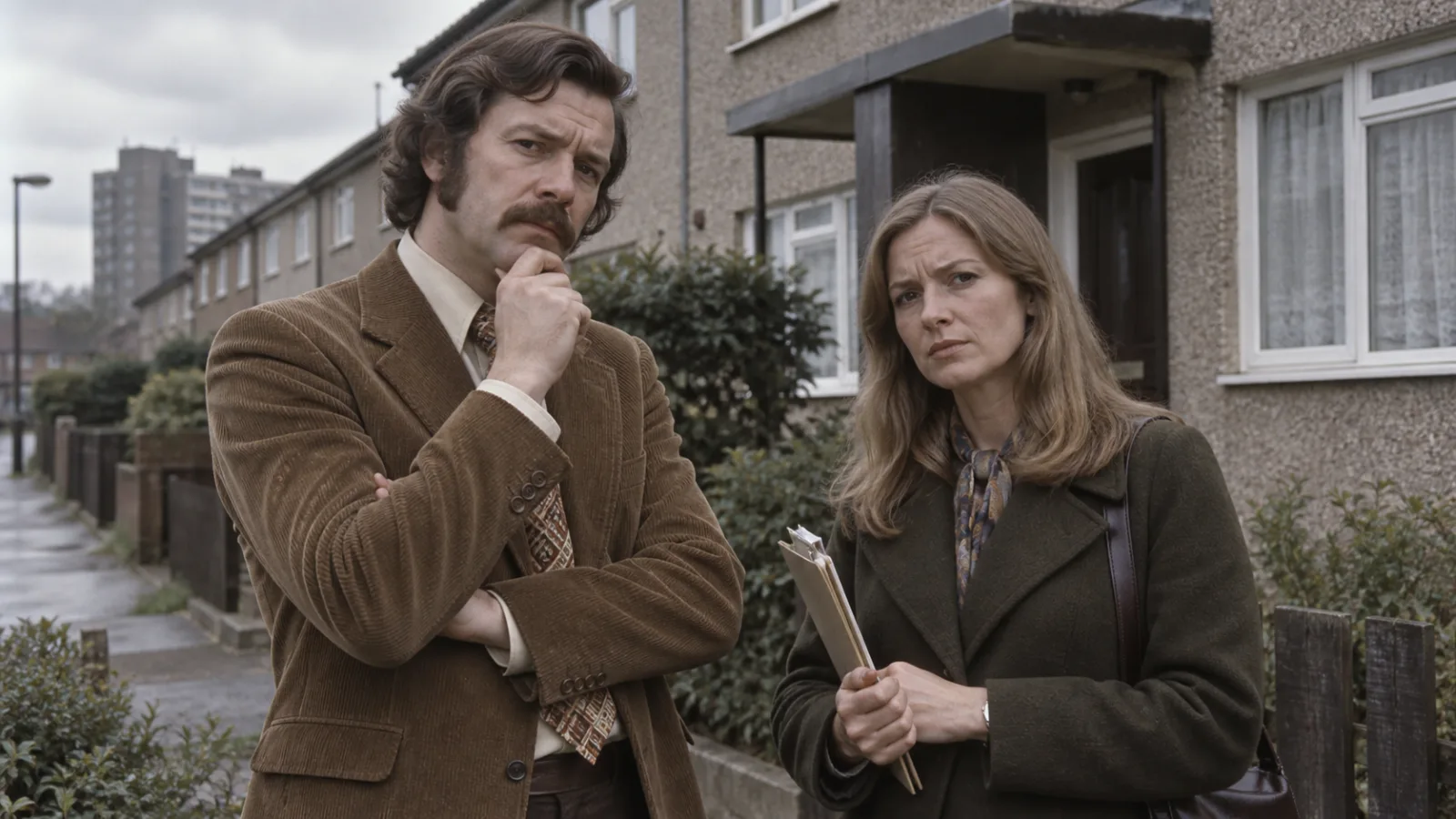
On one side stand skeptical researchers, including the magician and skeptic Milbourne Christopher and the psychologist Anita Gregory, who visited the house and came away deeply doubtful. Gregory argued that Janet showed signs of being an attention-seeking child under enormous psychological strain, possibly coping with her parents' divorce, financial hardship, and a chaotic home. In her view, the phenomena escalated whenever adults left the girls alone, whenever the household's normal boundaries were tested, or whenever media attention arrived.
Under this view, some of what happened was outright trickery by bored, clever children who discovered that pretending to be haunted brought them attention, visitors, and a strange kind of power within their own home. The adults around them, eager to believe, may have unconsciously encouraged it by reacting with alarm and excitement rather than calm skepticism.
There is also the simple, mundane possibility that eyewitness testimony is unreliable:
- The house was old, prone to settling and creaking.
- A row of council houses shares structure with its neighbors, so vibrations, pipe knocks, and drafts travel.
- Under stress, in a dim, tense atmosphere, ordinary sounds can take on menace.
- Memories of ambiguous events tend to sharpen into certainty over time, especially once a story has been told and retold to press and researchers alike.
The Believers' Position
On the other side stand those who spent the most time in that house. Guy Lyon Playfair maintained until his death that while some incidents were faked by the children, a meaningful core of the phenomena could not be explained by trickery. He said he witnessed furniture movement directly while the children were in clear view of multiple adults, along with knocking sounds that seemed to originate from inside solid walls.
Maurice Grosse, who continued investigating the case for years afterward, similarly never recanted his conviction that something genuinely unexplained had occurred, separate from the children's admitted pranks. Their position was not that everything was real, but that not everything could be dismissed as a hoax either: authentic disturbance, in their eyes, tangled up with a frightened child's occasional fakery.
The Case Versus the Legend
It is also worth noting that what many people think they remember about this case may not be entirely accurate. Later dramatizations and retellings, including television specials and a well-known feature film loosely inspired by the events, introduced far more dramatic, cinematic elements than anything in the original case files. For a general audience, they blurred the line between the documented record and fictionalized embellishment.
The real Green Street case, stripped of that later dramatization, is quieter, messier, and far more ambiguous than its pop culture legacy suggests.
How It Ended
The activity was reported to taper off by 1979, roughly fourteen months after it began, fading much as it had arrived: gradually, without a clear resolution or final dramatic event.
Janet Hodgson grew up and gave interviews decades later, still insisting that while she and her sister played some tricks, a real and frightening presence had shared that house with them, something that terrified her as a child in ways she couldn't fake. Peggy Hodgson remained in the house until her death in 2003 and, by her family's account, never stopped believing something otherworldly had lived alongside them.
What Remains Unknown
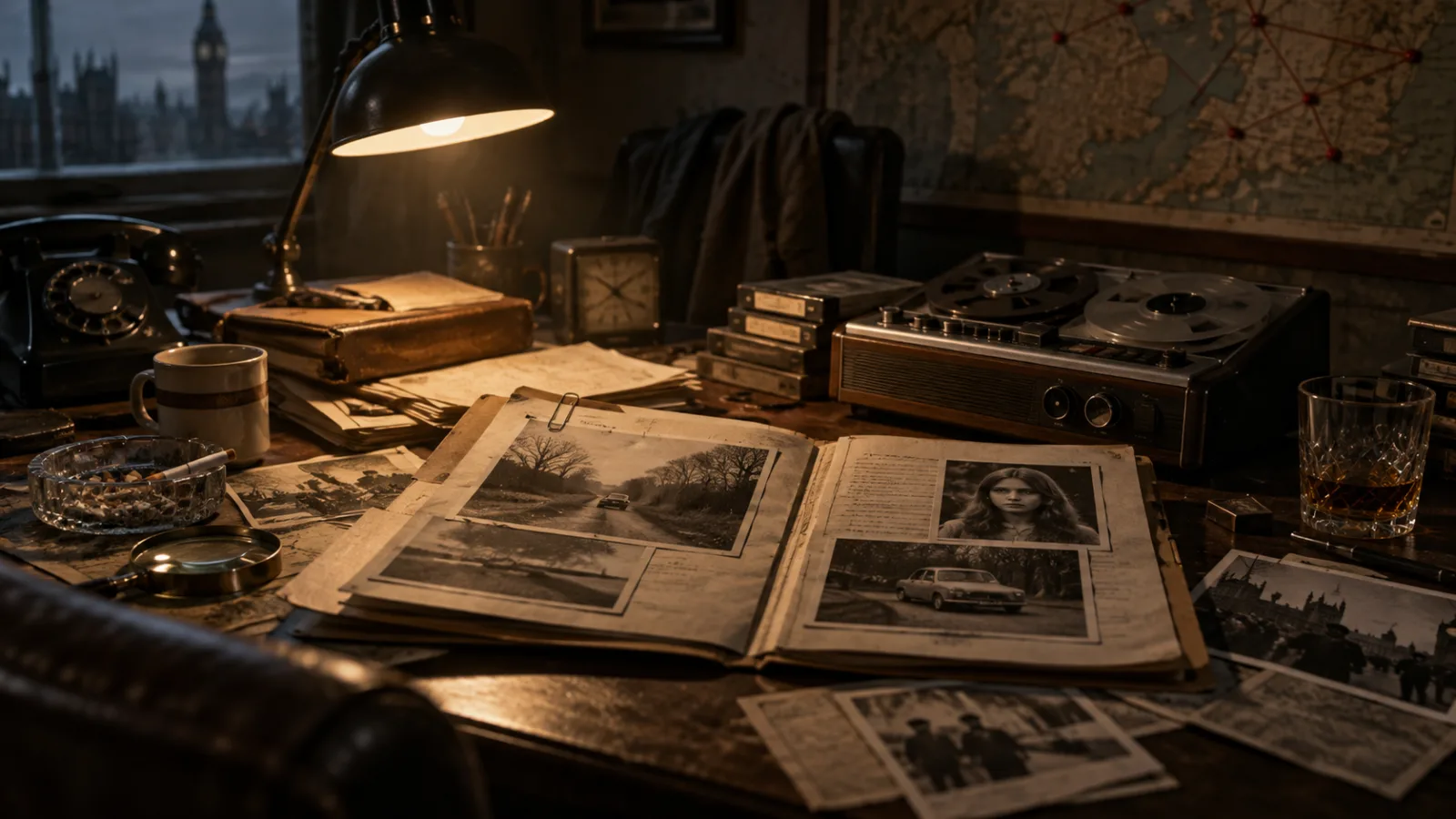
What remains is a case built on tape recordings anyone can listen to, witness statements from a police officer and multiple researchers, and admitted acts of childhood deception, all tangled together in a single, unresolved file. Even the two men who spent the most hours inside that house came away certain that something had happened, while never fully agreeing on what.
No one has ever produced a recording, a photograph, or a single piece of physical evidence from Green Street that stands up to scrutiny as unambiguous proof of a paranormal event. And no one has ever fully explained away every documented moment either.
Somewhere in those thirty tapes, in the gap between a frightened girl's game and whatever else the researchers say they witnessed with their own eyes, the true story of Enfield still waits: neither confirmed nor debunked, just unresolved.