A five-year-old girl stands in a hospital corridor in Hexham, England, in 1958, pointing at a woman she has never met. "That's Auntie Aunt Lyn," she says. Then she turns to a man beside her mother. "And you're Uncle Jimmy." She is right. Both times. No one had told her their names.
The girl's name is Jennifer Pollock. According to her parents, she remembered a life that ended before she was born: the life of her own sister, killed in a road accident eighteen months earlier.
This is the story of the Pollock twins, one of the most carefully documented reincarnation cases in modern history. It was investigated by a psychiatrist who came in expecting to debunk it. What he found, he could never fully explain.
A Sunday Morning in Hexham
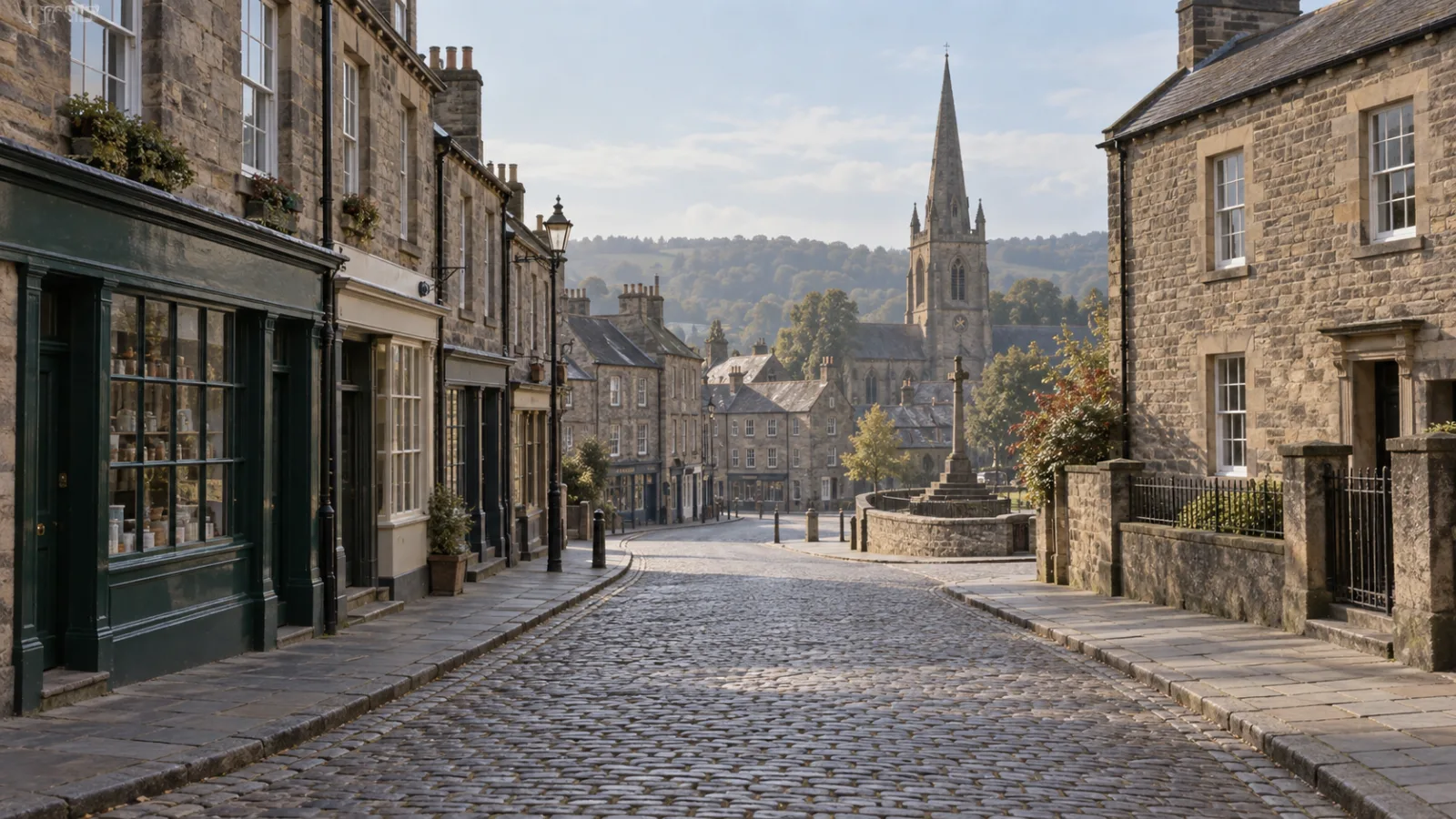
To understand what happened to the Pollock family, you have to start with an ordinary Sunday morning in May 1957, in the small town of Hexham, in Northumberland.
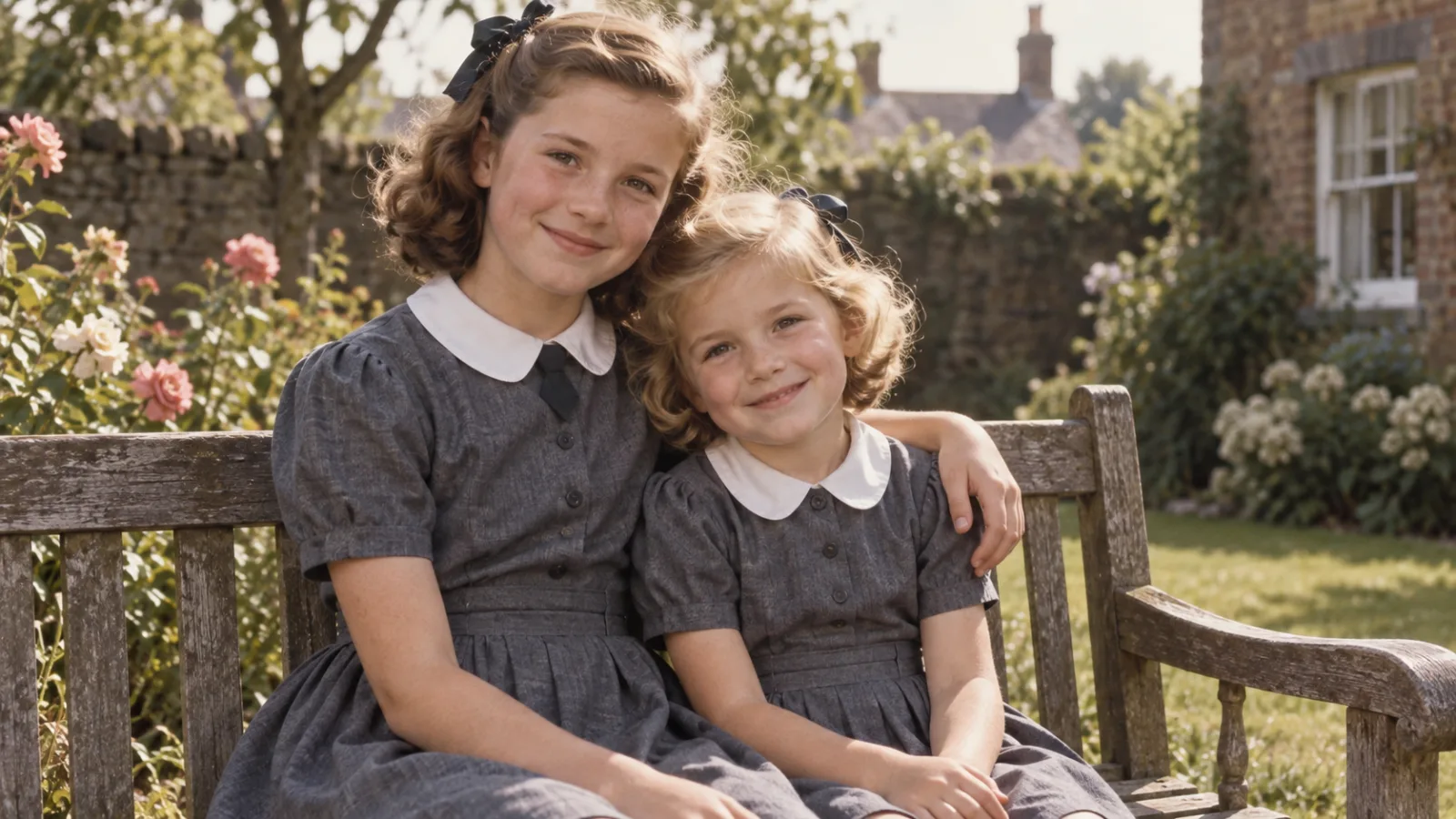
John and Florence Pollock had two daughters. Joanna was eleven. Jacqueline was six. By every account they were close, healthy, unremarkable children, and that detail matters, because nothing about their short lives suggested anything unusual was coming.
On the morning of May 5, 1957, the two girls were walking to church, hand in hand, on their way to visit an elderly neighbor. A car veered off the road and struck them both. The young woman driving nearby had lost control of her vehicle after what witnesses described as a sudden and inexplicable episode. She had no memory afterward of what happened, and no clear medical explanation was ever established. Joanna and Jacqueline were killed instantly, in front of horrified onlookers on a quiet residential street.
It was a tragedy, senseless and total, of the kind that ends up in a local paper and then, for everyone except the family, fades. For John and Florence Pollock, it did not fade. What came next is where this story leaves the territory of grief and enters the territory of the unexplained.
A Father's Conviction
John Pollock held a belief that was unusual for a man of his background and generation. He was a firm believer in reincarnation, a conviction he had held since before the accident, and one his wife did not share. In the raw aftermath of losing both daughters in a single morning, he became convinced, almost immediately, that his girls would return to them.
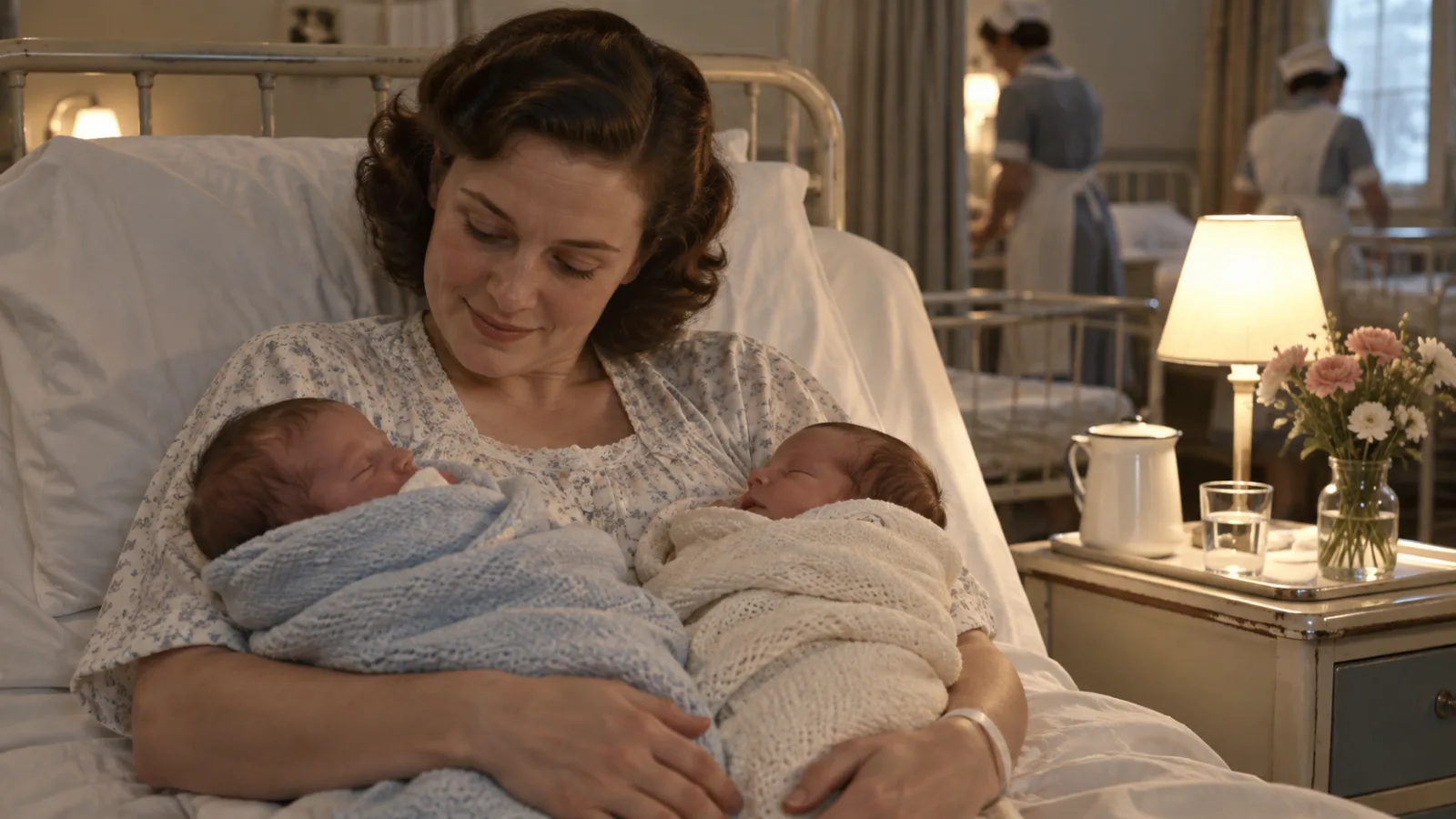
Florence became pregnant again within roughly a year. On October 4, 1958, she gave birth to twin girls, a statistically rare event on its own. John Pollock's reaction, according to family accounts, was not simply joy but something closer to certainty confirmed. He told the attending doctor, before the twins were even named, that he believed his daughters had come back.
The twins were named Jennifer and Gillian. Almost immediately, their parents began noticing things that unsettled them.
Marks, Toys, and Memories
The birthmarks
Jennifer had a distinctive line on her forehead and a birthmark on her hip. According to her parents, these corresponded closely to a scar Jacqueline had carried from a childhood fall, and to a birthmark in the same location on her body. Of the two twins, only Jennifer bore these marks. Gillian did not.
The toys
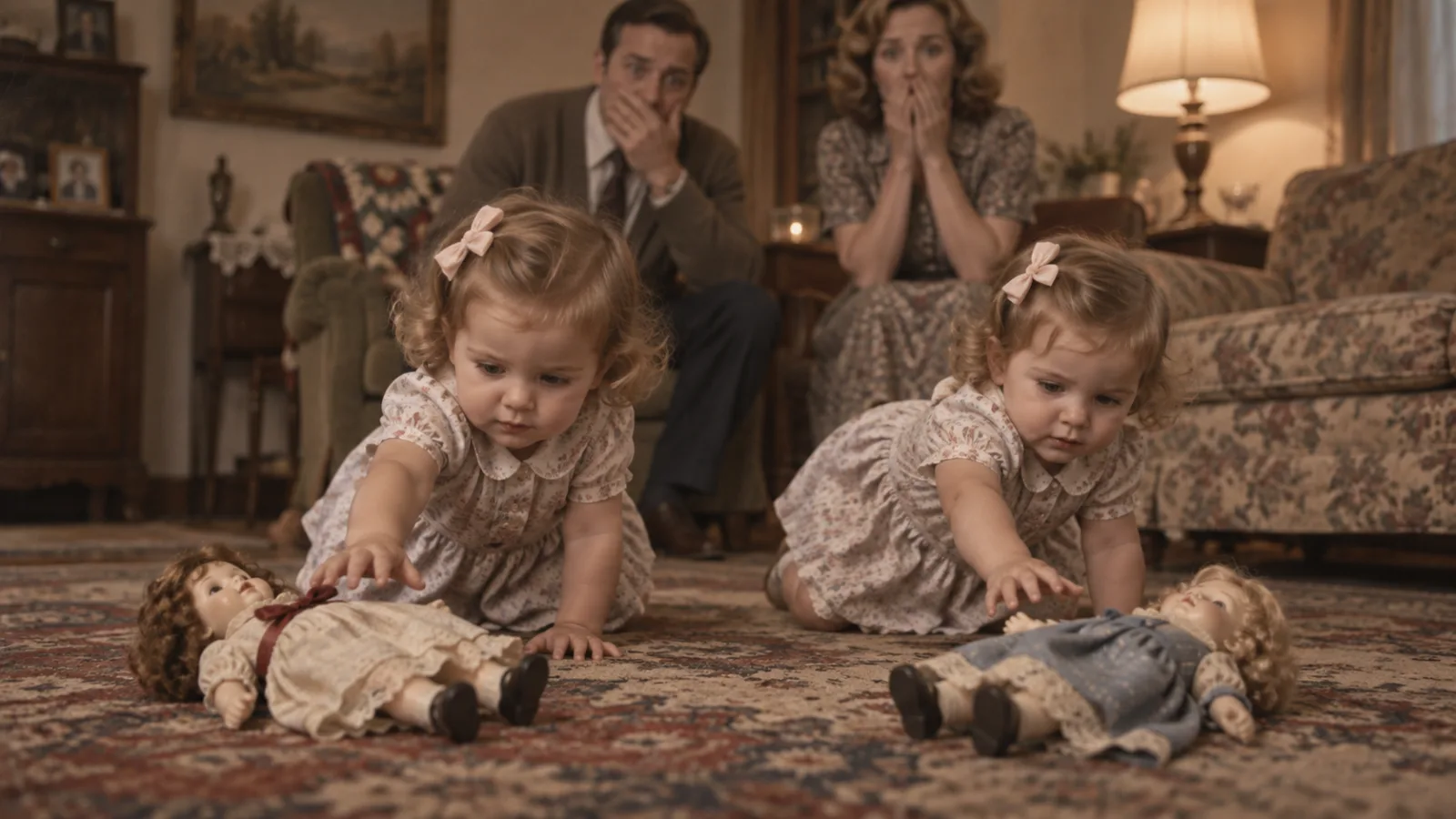
When the twins were toddlers, Florence retrieved two dolls and a toy bus that had belonged to Joanna and Jacqueline. The items had been packed away since the accident and never shown to the new children. According to the parents' later and consistent account, Jennifer and Gillian identified the toys by the names the dead girls had given them. They reached for them exactly as their sisters once had, one twin gravitating to one toy and the other to the other, matching, John and Florence said, the original pattern of ownership.
The memory of the crash
The most striking incident came when Jennifer was around four years old. Without prompting, she began describing a memory of being hit by a car, of pain in her head and leg, matching the injuries Jacqueline had suffered in the crash that killed her. She had never been told the details of how her sisters died. Her parents had deliberately avoided discussing it.
The corridor
Then there was the hospital corridor in Hexham, where Jennifer reportedly recognized "Auntie Aunt Lyn" and "Uncle Jimmy," relatives of Jacqueline and Joanna, by name and on sight, despite never having met them.
Moving Away to Rule Out Leaks
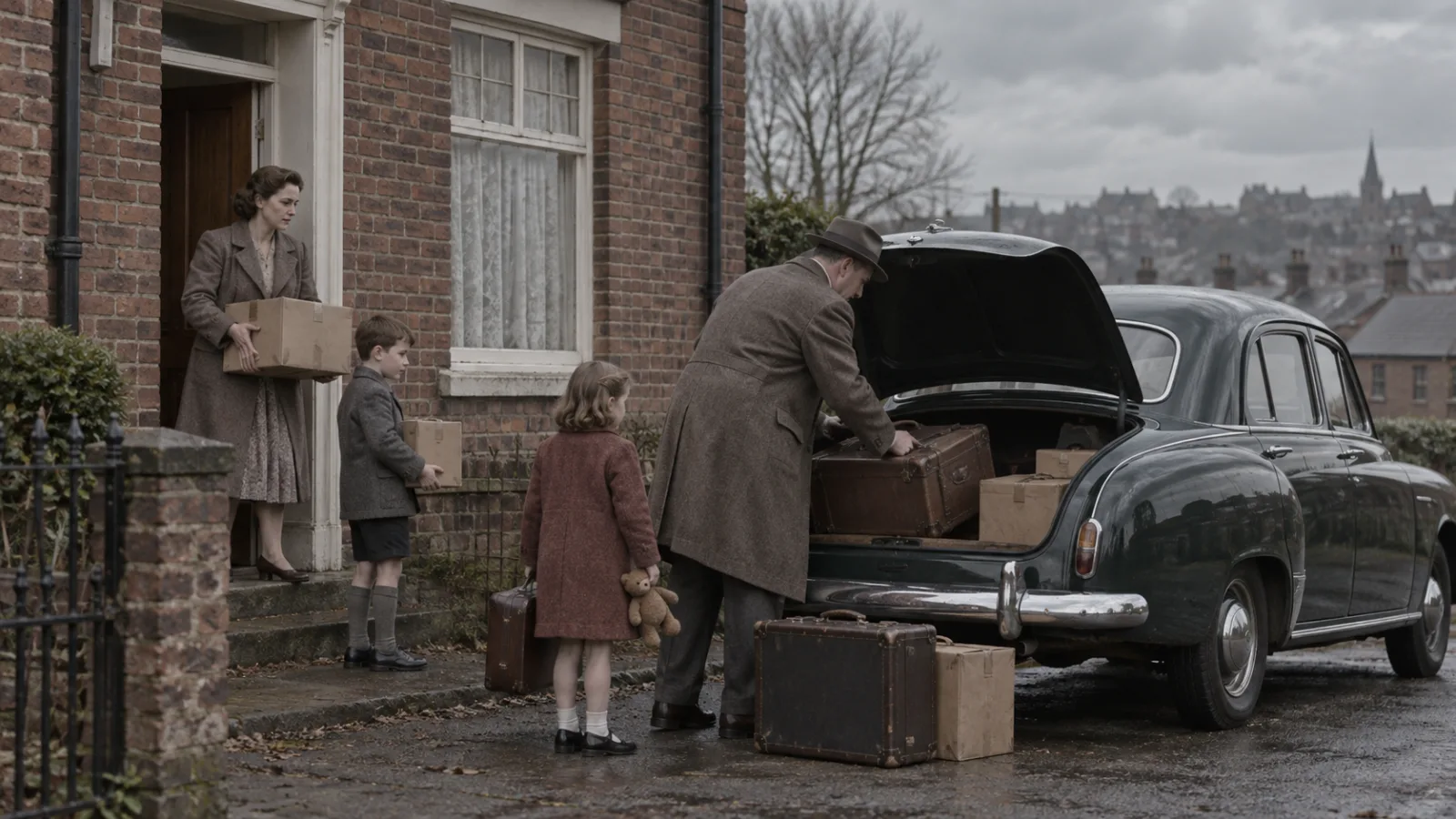
Frightened by how much their daughters seemed to know, John and Florence made a decision that shapes the evidentiary weight of this entire case. In 1960, when the twins were around one and a half years old, they moved the family away from Hexham to Whitley Bay, roughly twenty-five miles from where Joanna and Jacqueline had lived and died. The stated reason was to give the girls a fresh start, away from anyone who might, consciously or not, feed them information about their dead sisters.
This detail matters enormously to how seriously researchers eventually took the case. If the twins continued to produce specific, accurate memories after being removed from the environment where such information circulated, the claims become much harder to explain as ordinary family gossip absorbed by a clever child.
The Skeptical Psychiatrist
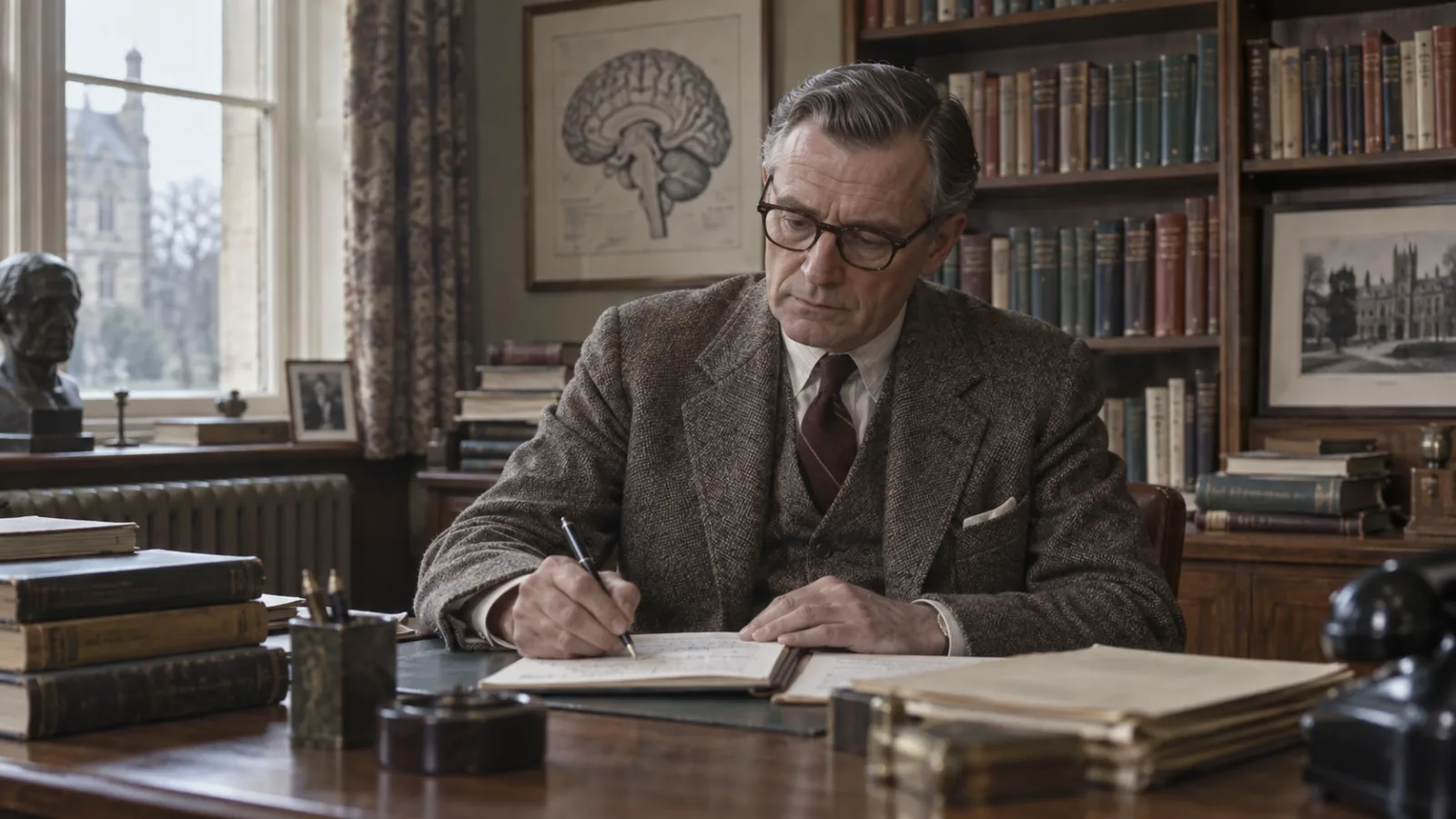
The case reached a wider audience largely through one man: Dr. Ian Stevenson, a psychiatrist at the University of Virginia who spent decades investigating children's claims of past-life memories around the world. Stevenson was, by training and temperament, methodical and cautious, a scientist looking for natural explanations first.
He interviewed the Pollock family directly, cross-checked accounts among relatives, and documented the case in detail in his research on children who reported memories of previous lives. He did not conclude that reincarnation was proven. But he found the volume and specificity of correlating details in the Pollock case difficult to dismiss as ordinary coincidence.
The Skeptical Explanations
So what actually explains this?
The most straightforward non-paranormal explanation combines what psychologists call cryptomnesia with parental expectation and confirmation bias. John Pollock believed in reincarnation before his daughters died and before the twins were conceived. That belief may have shaped how he interpreted every subsequent ordinary behavior, whether a toddler pointing at a stranger, a common toy preference, or a scraped knee, as evidence fitting a conclusion he had already reached.
Young children also absorb far more overheard information than adults realize, even in households actively trying to shield them, through relatives, family friends, or fragments of adult conversation never meant to register.
The birthmark problem
The birthmark and scar correspondence is harder to wave away with a single mundane explanation, but it isn't unique to this case. Researchers who study these claims note that birthmark correlations appear repeatedly across many unrelated reincarnation reports worldwide. Some skeptics argue this suggests a pattern of selective memory and retrospective matching by grieving parents rather than a supernatural signal: parents scanning a new child's body for anything that could connect to the child they lost, and finding it, because they are looking so hard.
How memory was recorded
There is also the matter of how the story was recorded. Much of what we know rests on the parents' recollections, given to researchers after the fact, rather than on a real-time, independently witnessed log kept as events unfolded. Human memory reshapes itself with retelling, and a vague childhood comment can calcify, decades on, into a precise and startling quote.
This is not an accusation against the Pollocks. There is no evidence they fabricated anything, and Stevenson found them credible, consistent, and clearly not seeking fame or money from the story. It is simply a limitation that applies to almost every case in this field.
The Case for Something More
On the other side of the ledger sits the sheer accumulation of detail, and its timing:
- The specific injuries
- The names given without prompting
- The toy recognition after relocation
- The number of separate, small correlations converging on two people rather than one
Advocates of the reincarnation interpretation point out that no single detail proves anything. But the pattern, taken together, resembles something we don't currently have a full mundane vocabulary to describe, and dismissing each piece individually as coincidence while ignoring how many pieces there are is, they argue, its own kind of bias.
What Nobody Disputes
Some facts stand regardless of interpretation:
- Joanna and Jacqueline Pollock died on a Hexham street in 1957.
- Jennifer and Gillian Pollock were born the following year, as twins, to the same grieving parents.
- The family relocated specifically to remove the twins from any environment where information about their sisters could leak in.
- A respected, skeptical researcher who built his career trying to find rational explanations for exactly these kinds of claims came away from the Pollock file without being able to close it.
Fading Memories
Jennifer and Gillian grew up, and by most accounts the vivid childhood statements faded as they got older. This is itself consistent with patterns Stevenson documented in other cases, where such memories, real or not, seem to dim with age, around the time a child's own independent identity solidifies.
They are adults now, living private lives. By choice, they have said very little publicly in later years about what they recalled, or when exactly they stopped recalling it.
That leaves one question this case never answers, and probably never will: if a five-year-old girl really did remember dying, why would that memory begin to fade just as she became old enough to describe it clearly to us?