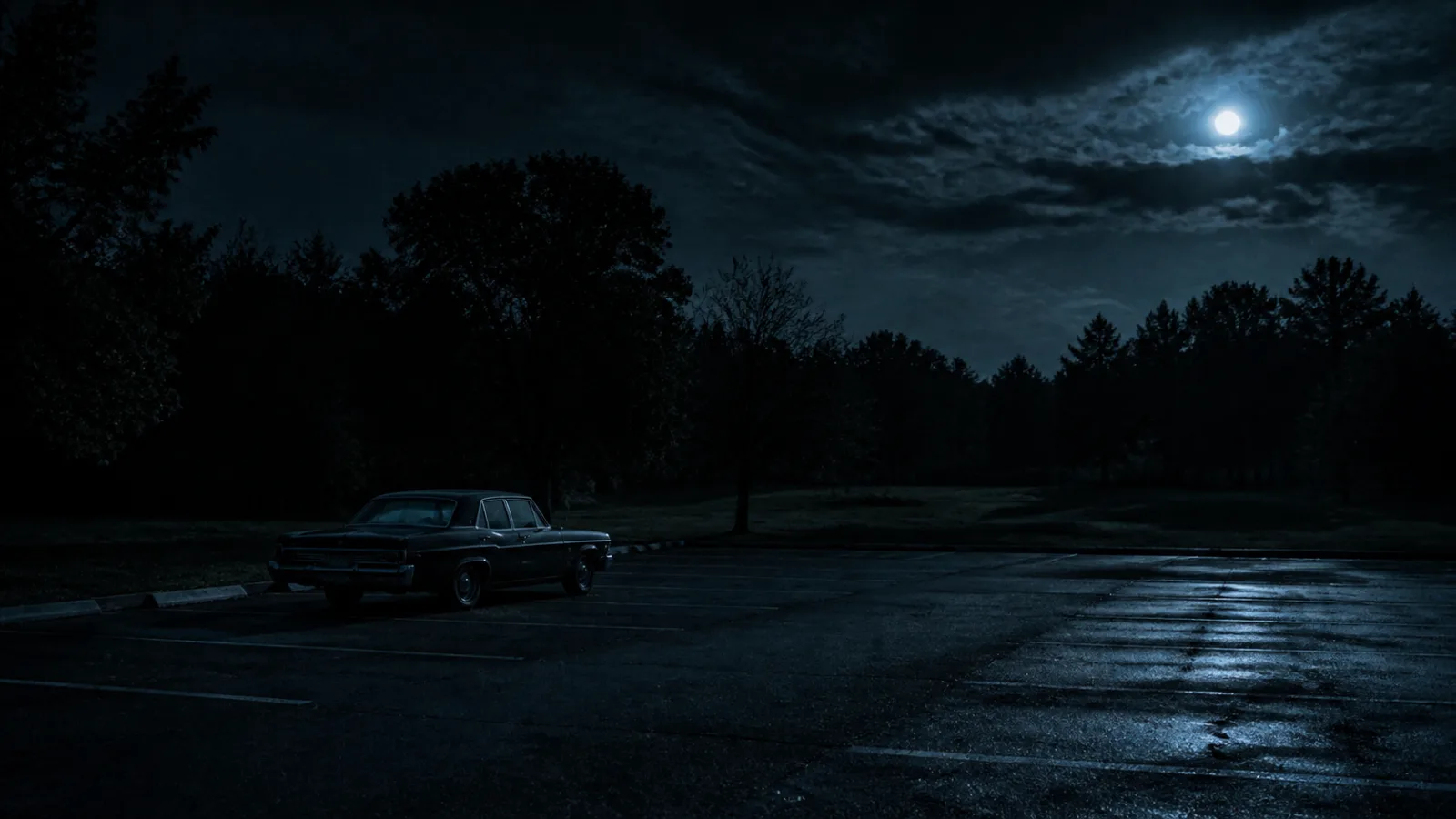
Just after midnight on July 5, 1969, in the parking lot of Blue Rock Springs Park outside Vallejo, California, a young couple sat in a car talking. A second car pulled in behind them. A flashlight beam swept across their windshield, and they assumed it was a police officer checking on them after hours.
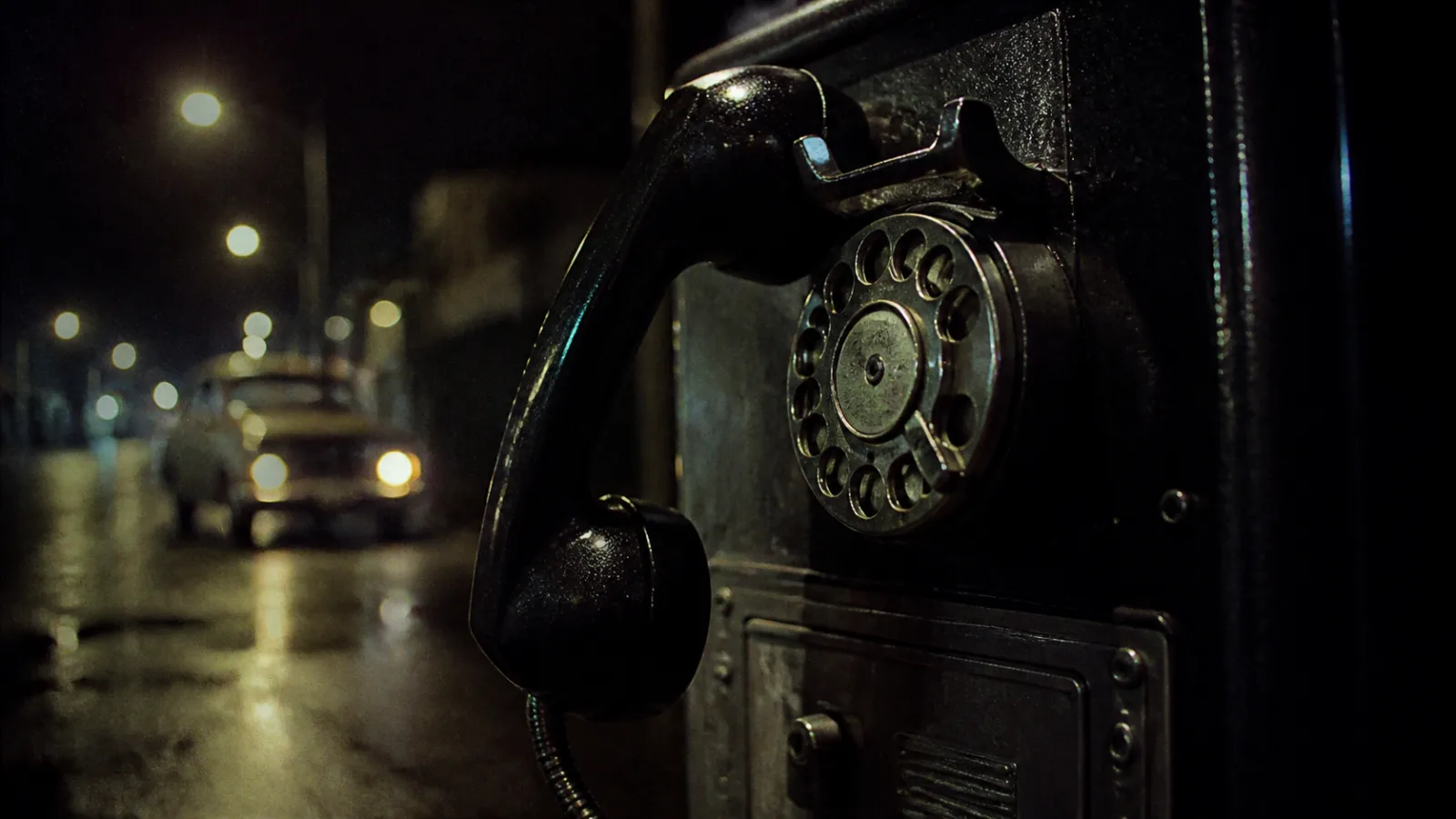
Instead, gunfire erupted. Ten shots were fired. Darlene Ferrin was hit multiple times and later died at the hospital. Her companion, Michael Mageau, was wounded but survived. Before leaving, the shooter did something no ordinary criminal does: he drove to a payphone, called the Vallejo Police Department, and calmly reported his own crime — along with an earlier one from the previous December that police hadn't yet connected to him.
Over the following year, this figure taunted police and newspapers with letters signed with a crossed-circle symbol, claimed a body count far higher than investigators could verify, and then vanished so completely that despite one of the largest manhunts in American criminal history, his identity has never been confirmed. He called himself the Zodiac, and more than fifty years later he remains the country's most famous unidentified serial killer.
The First Murders on Lake Herman Road
The story begins seven months before that phone call. On the night of December 20, 1968, seventeen-year-old Betty Lou Jensen and sixteen-year-old David Faraday drove to a remote turnout on Lake Herman Road, a known spot where local teenagers parked to talk. It was their first date.
Sometime before 11 p.m., someone approached the car and opened fire. Faraday was shot in the head. Jensen was shot multiple times, apparently while trying to flee. Both died. Nothing was taken, ruling out robbery as a motive, and for seven months the case sat unsolved — a shocking but seemingly isolated tragedy in a quiet part of Northern California.
Blue Rock Springs and the Killer's Own Confession
The Blue Rock Springs shooting the following July changed everything. When the gunman phoned police afterward and identified himself as the person responsible for both that attack and the December killings, he tied the two crimes together himself — a move that gave investigators their first evidence of a serial pattern, delivered by the killer's own hand.
Lake Berryessa: The Hooded Attacker
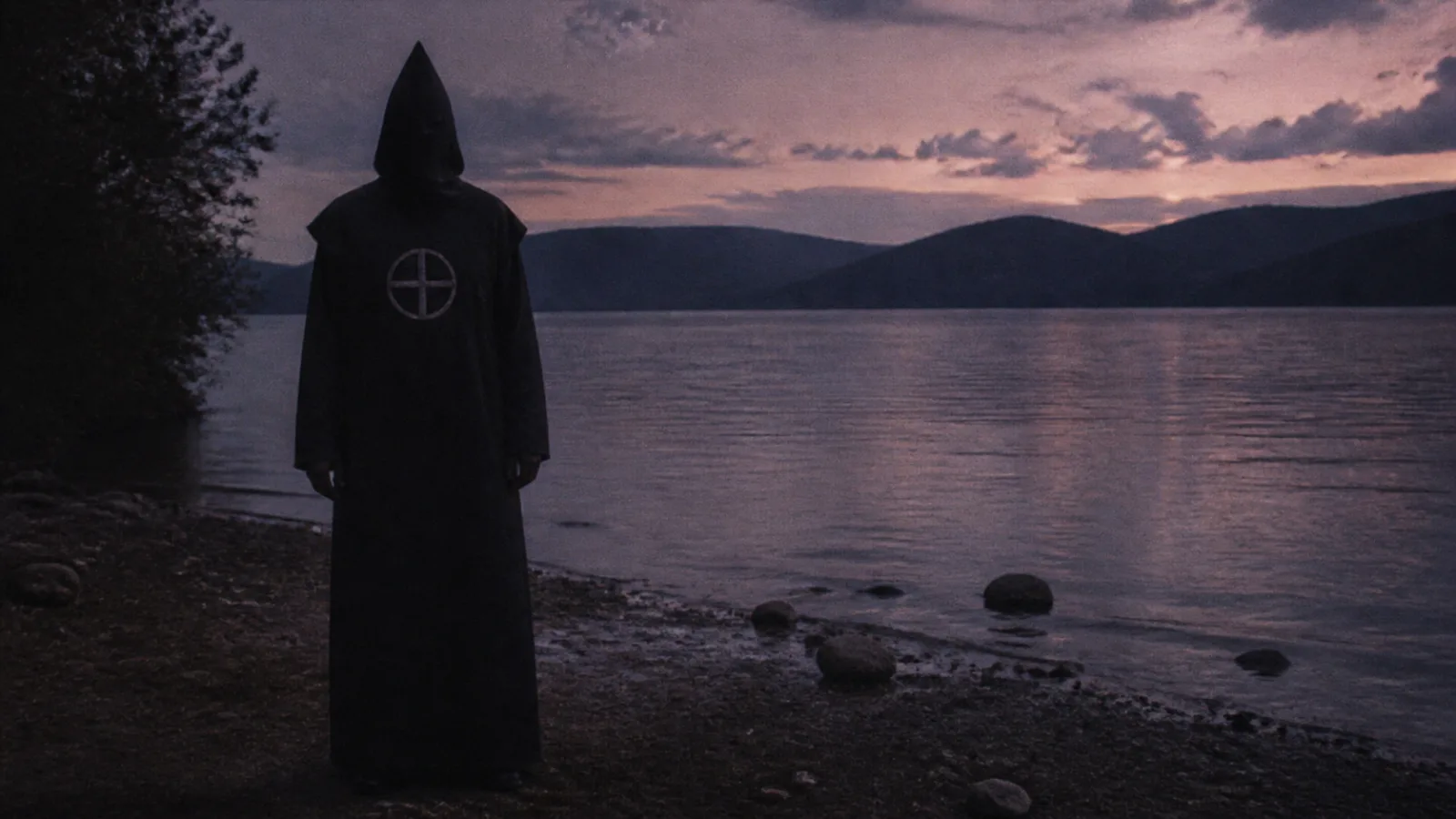
On September 27, 1969, at Lake Berryessa in Napa County, a man wearing a black executioner-style hood with a bib bearing the crossed-circle symbol approached college students Bryan Hartnell and Cecelia Shepard as they sat on a blanket by the water. He claimed to be an escaped convict in need of their car and money, then produced pre-cut lengths of clothesline, bound them, and stabbed them repeatedly.
Shepard died two days later. Hartnell survived, becoming one of the few living victims able to describe the attacker firsthand. Before leaving, the killer wrote the dates of this crime and the earlier ones directly on the car door, along with his crossed-circle symbol.
The Presidio Heights Murder of Paul Stine
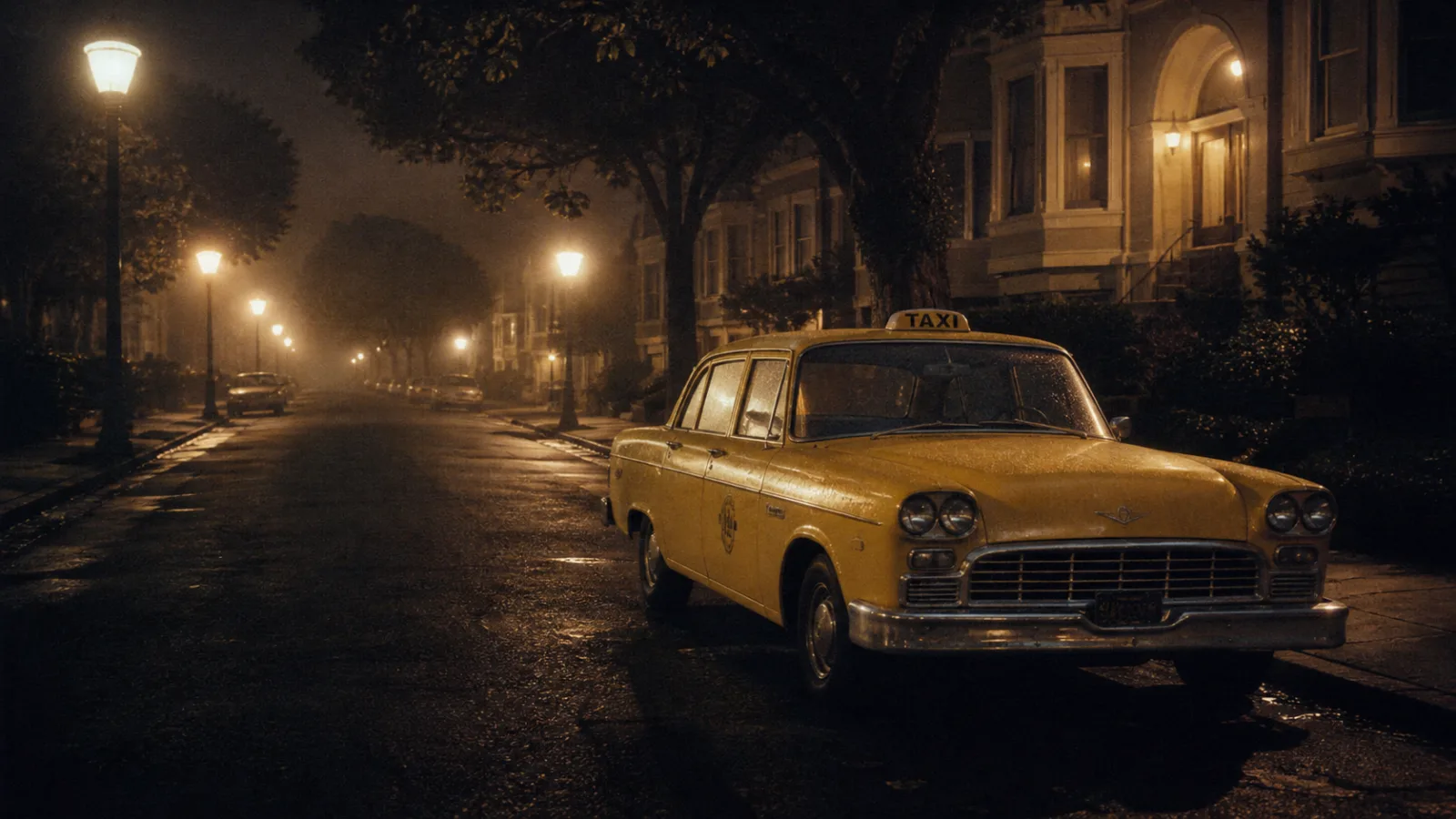
Less than a month later, on October 11, cab driver Paul Stine picked up a fare in San Francisco's Presidio Heights neighborhood. The passenger directed him several blocks before shooting him once in the head at close range. Teenage witnesses saw a man leaving the cab and gave a description to police, making this the only confirmed Zodiac killing with living eyewitnesses to the shooter himself. It also drew the San Francisco Police Department fully into a case that had begun in neighboring counties.
Confirmed Victims Versus the Killer's Claims
Those five attacks, three of them fatal, are the murders law enforcement has linked to the Zodiac with strong confidence. But in his letters, the killer claimed a total approaching three dozen victims — a figure investigators have never substantiated and generally treat with skepticism. Other unsolved cases from the era, including the 1966 murder of Cheri Jo Bates in Riverside, have been proposed as possible Zodiac crimes, but none carry the same evidentiary weight as the confirmed five.
Letters, Symbols, and Cryptograms
What separated this case from other serial murders of the period was the correspondence. Beginning in the summer of 1969, letters arrived at the San Francisco Chronicle, the Vallejo Times-Herald, and the San Francisco Examiner, each signed with a circle bisected by a cross. The writer demanded front-page publication, threatening further violence if refused. Several letters contained cryptograms he claimed would reveal his identity.
A four-part cipher sent to three newspapers in August 1969 was solved within days by schoolteacher Donald Harden and his wife Bettye, working from a hunch about a word the killer might favor. The decrypted text described the killer's claimed pleasure in killing and a promised afterlife in which his victims became his slaves. It contained no name.
A second cipher, 340 characters long, resisted solution for fifty-one years until it was finally broken in December 2020 by an independent team of codebreakers — a mathematician, a programmer, and a puzzle expert — using computer analysis. The FBI verified their solution. Like the first, it contained no name, mostly taunts aimed at law enforcement and a chilling remark about not fearing the gas chamber because it would send him to paradise faster.
A further related fragment of roughly the same length remains unsolved to this day. No one can say with certainty whether it holds genuine information or more misdirection.
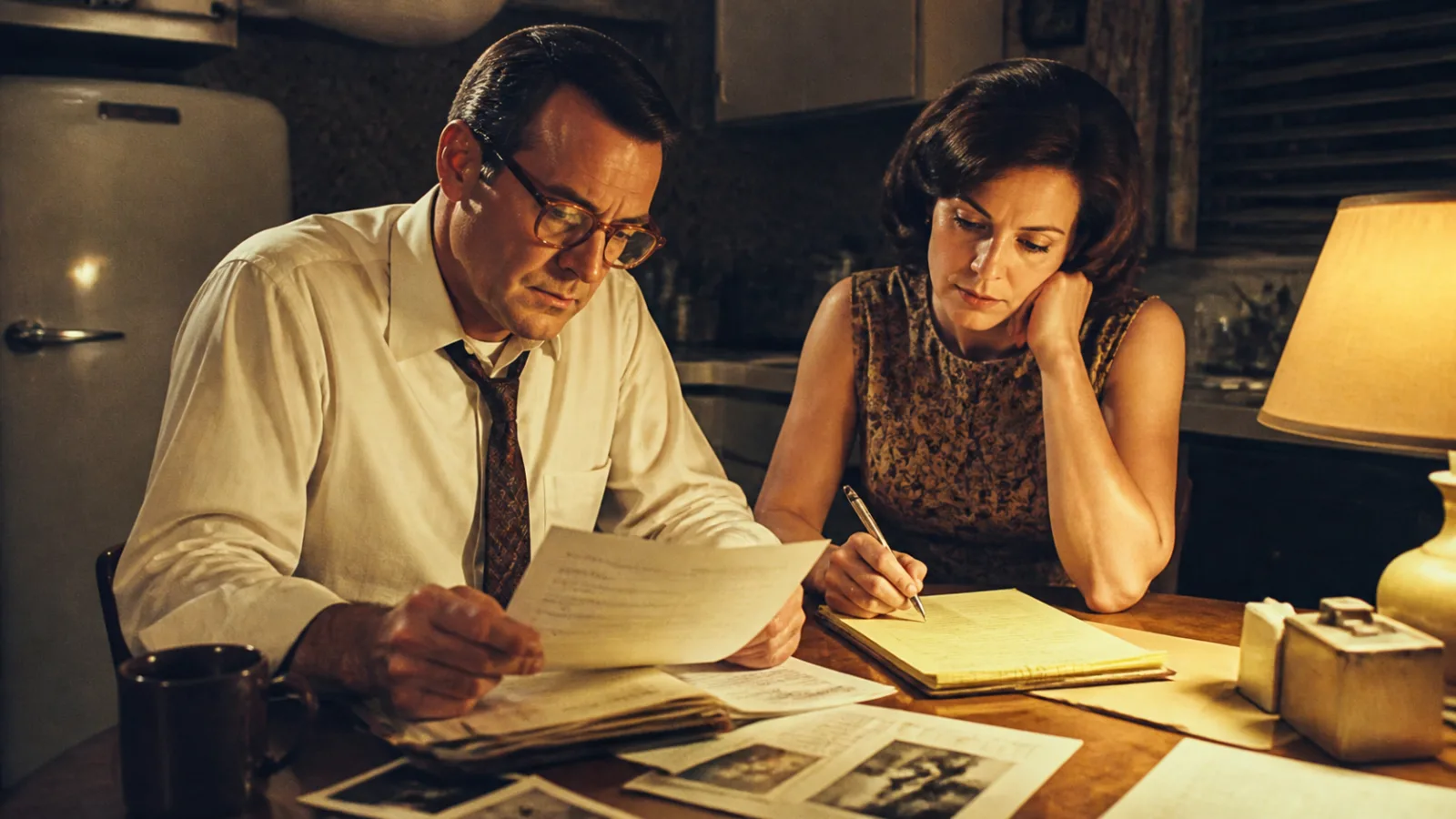
The letters also carried handwriting samples that became central physical evidence, compared over the decades against dozens of suspects, both implicating and clearing individuals at various points in the investigation.
The Suspects
The name most familiar to true crime audiences is Arthur Leigh Allen, a Vallejo resident investigated extensively starting in the early 1970s after a tip from an acquaintance. Allen owned a knife collection, made comments that alarmed people who knew him, and lived near several crime scenes. But handwriting analysis at the time did not match him to the Zodiac letters, and DNA later recovered from envelope seals — degraded and never definitively tied to the killer — reportedly did not implicate him when tested against a partial profile. Allen died in 1992, never charged.
Other names have been championed by researchers and amateur investigators over the years, including Lawrence Kane and Richard Gaikowski. None of these theories has produced conclusive physical evidence — a confirmed DNA match, a confession, or an unambiguous handwriting identification accepted by law enforcement.
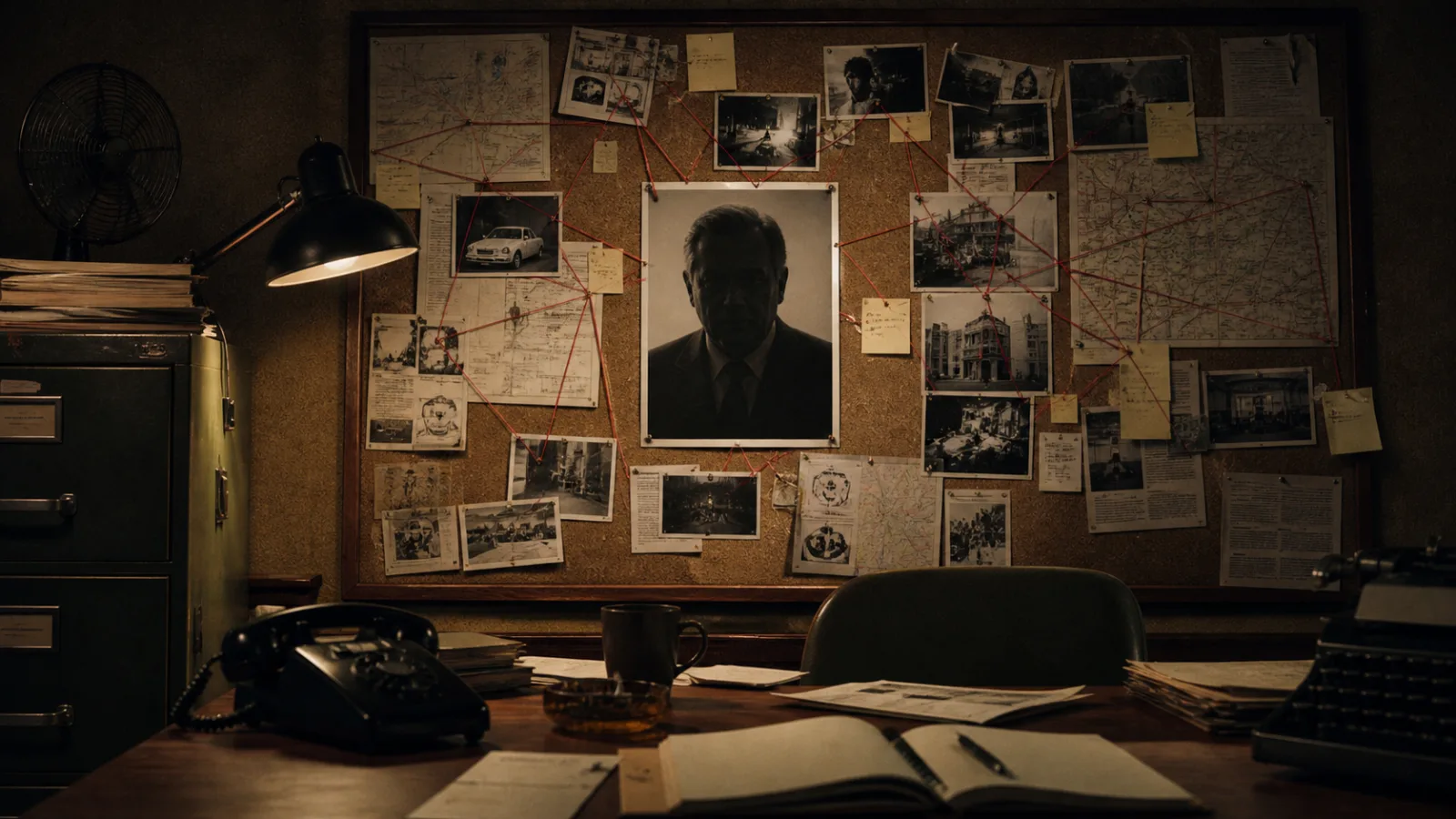
Why Modern DNA Tools Haven't Cracked the Case
The case remains formally open with the California Department of Justice and the FBI. Agencies in San Francisco, Vallejo, Napa, and Solano County have periodically revisited it as new forensic techniques emerge, particularly touch DNA and genetic genealogy — the same tools that identified the Golden State Killer in 2018.
Genetic genealogy has solved decades-old cold cases nationwide using little more than a trace of DNA and a public database. What the Zodiac case lacks is a clean, uncontaminated sample provably tied to the killer rather than to postal workers, evidence technicians, or others who handled the letters over fifty years.

Why the Killings Stopped
The confirmed attacks end in October 1969, though letters claiming further killings continued sporadically into the 1970s, with the final confirmed correspondence arriving in 1974. Some researchers believe the killer was later incarcerated for an unrelated crime. Others believe he died. Still others think he simply stopped, whether from aging out of the compulsion or growing wary as forensic science advanced. Each theory is plausible, and none can be confirmed.
An Enduring Mystery
What remains is a set of confirmed murders, a body of evidence reexamined by every generation of forensic technology since, and a killer who wanted to be known by name and reputation while ensuring his real identity never was. Somewhere in a Northern California evidence locker, the unsolved 340-related fragment still waits, its symbols unchanged since the day they were mailed — a message that may or may not ever be read.