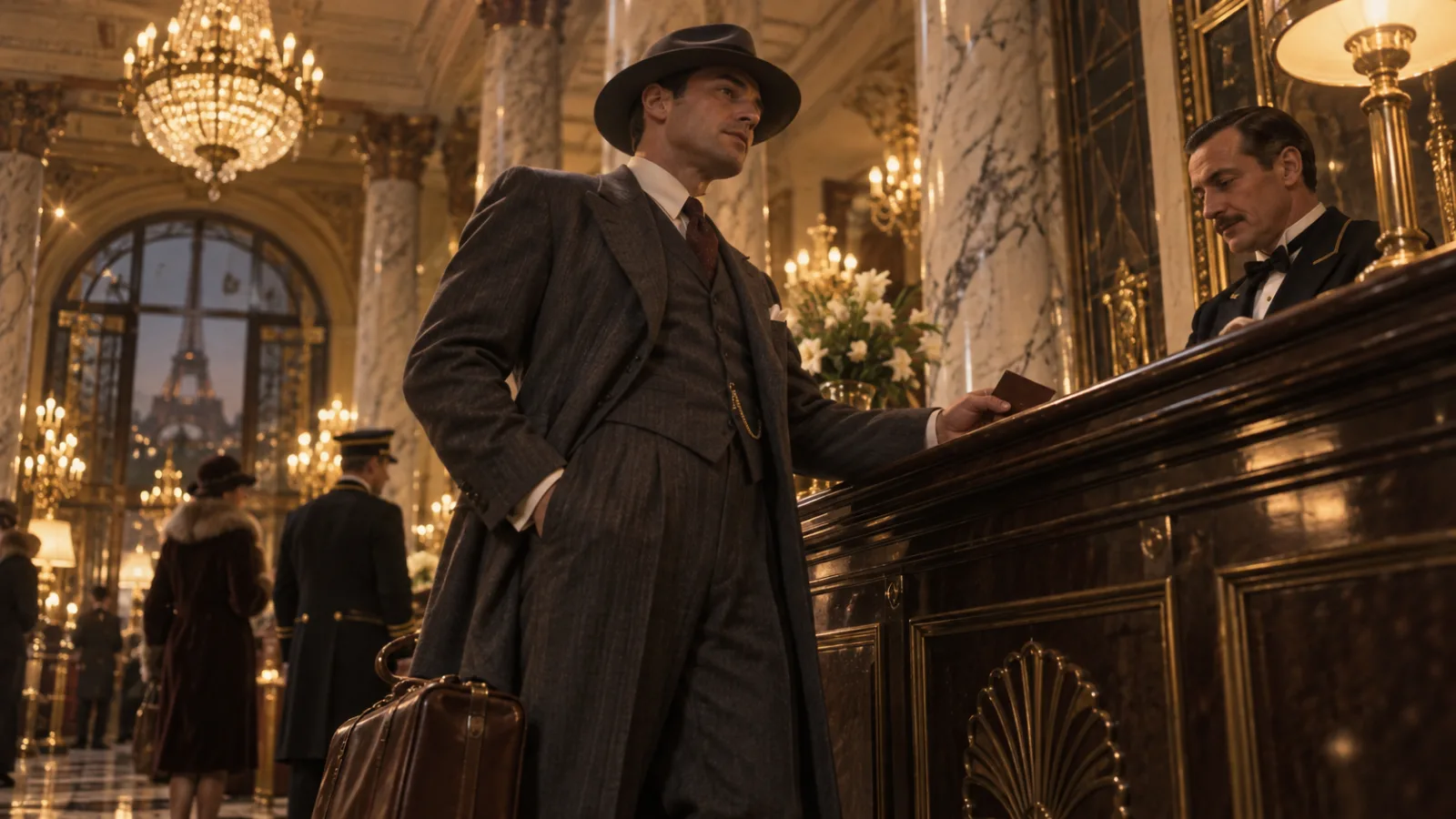
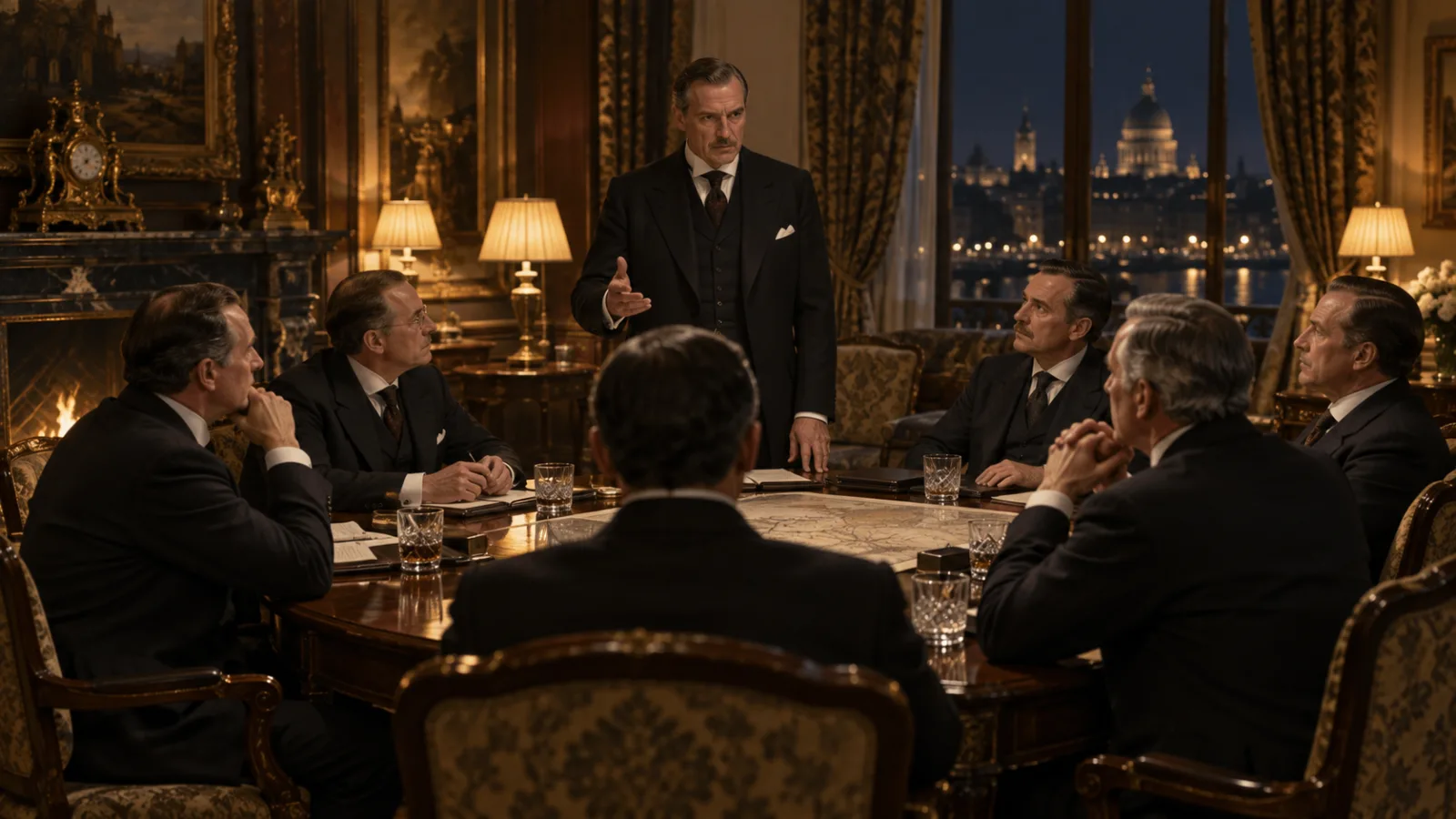
Paris, 1925. A well-dressed man checks into the Hotel Crillon, one of the most luxurious addresses in the city, under a name that means nothing to anyone. Within days, he invites six of France's most powerful scrap metal dealers to a secret government meeting. He shows them official documents. He speaks with the calm, weary authority of a man burdened by an unpleasant duty. And he offers to sell them the Eiffel Tower.
Not a model of it. Not a souvenir. The actual tower — seven thousand tons of iron standing over the Champ de Mars, the most recognizable structure in France, the tower that had defined the Paris skyline for nearly forty years.
One man believed him enough to hand over a fortune. And when it was over, the con man didn't run. He tried to sell the tower again.
This is the story of Victor Lustig, the man history remembers as one of the greatest con artists who ever lived, and the almost unbelievable weeks in which he convinced grown men that the Eiffel Tower was his to sell.
A Tower Nobody Was Sure Would Survive
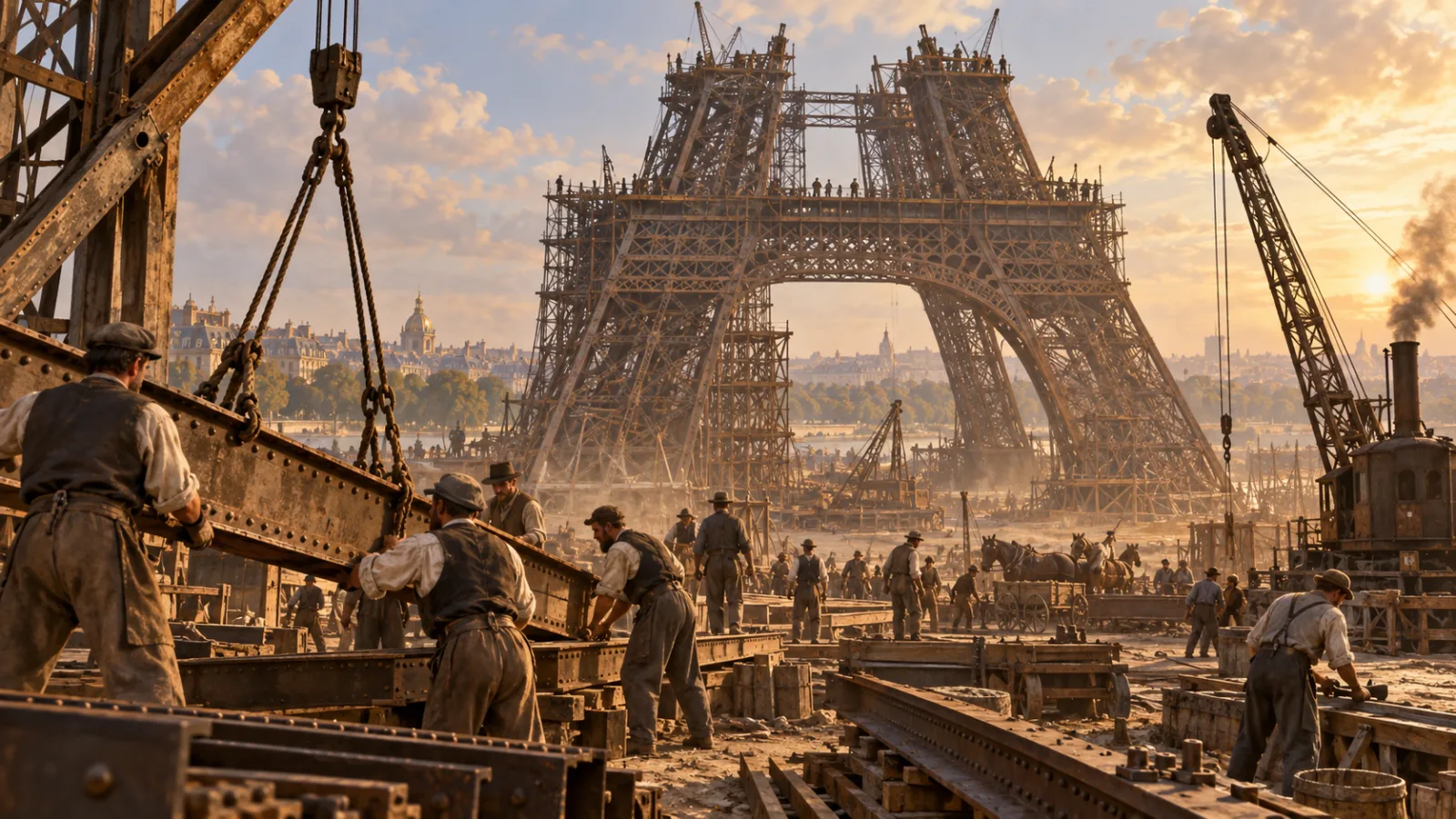
The Eiffel Tower was never meant to be permanent. Built for the 1889 World's Fair, it was constructed under a permit set to expire after twenty years. Gustave Eiffel had designed it, in part, to prove the viability of wrought iron construction — but plenty of Parisians hated it. Writers and artists called it an eyesore, a "metal asparagus" looming over their city.
The tower survived past its expiration date mainly because it proved useful for radio transmission. But by the mid-1920s, it was old, expensive to maintain, and rumors about its future weren't unusual. Paris newspapers had, at times, floated real questions about whether the city could afford to keep it standing.
Victor Lustig understood something most con men never grasp: the best lie is the one people already suspect might be true.
The Making of a Master Swindler
Lustig was born in 1890 in Hostinné, in what was then Austria-Hungary, in a region that is now the Czech Republic. Long before Paris, he had already built a career as an international swindler, working ocean liners between Europe and the United States, running card scams and a fake money-printing box he sold to marks for enormous sums, convincing them it could counterfeit currency indefinitely.
He spoke five languages, carried himself like nobility, and had an instinct — honed over years of practice — for reading exactly what a person wanted to believe.
In 1925, reading a Paris newspaper, Lustig noticed an article discussing the tower's deteriorating condition and the cost of its upkeep. That single article became the seed of the con.
Forging a Government and a Meeting
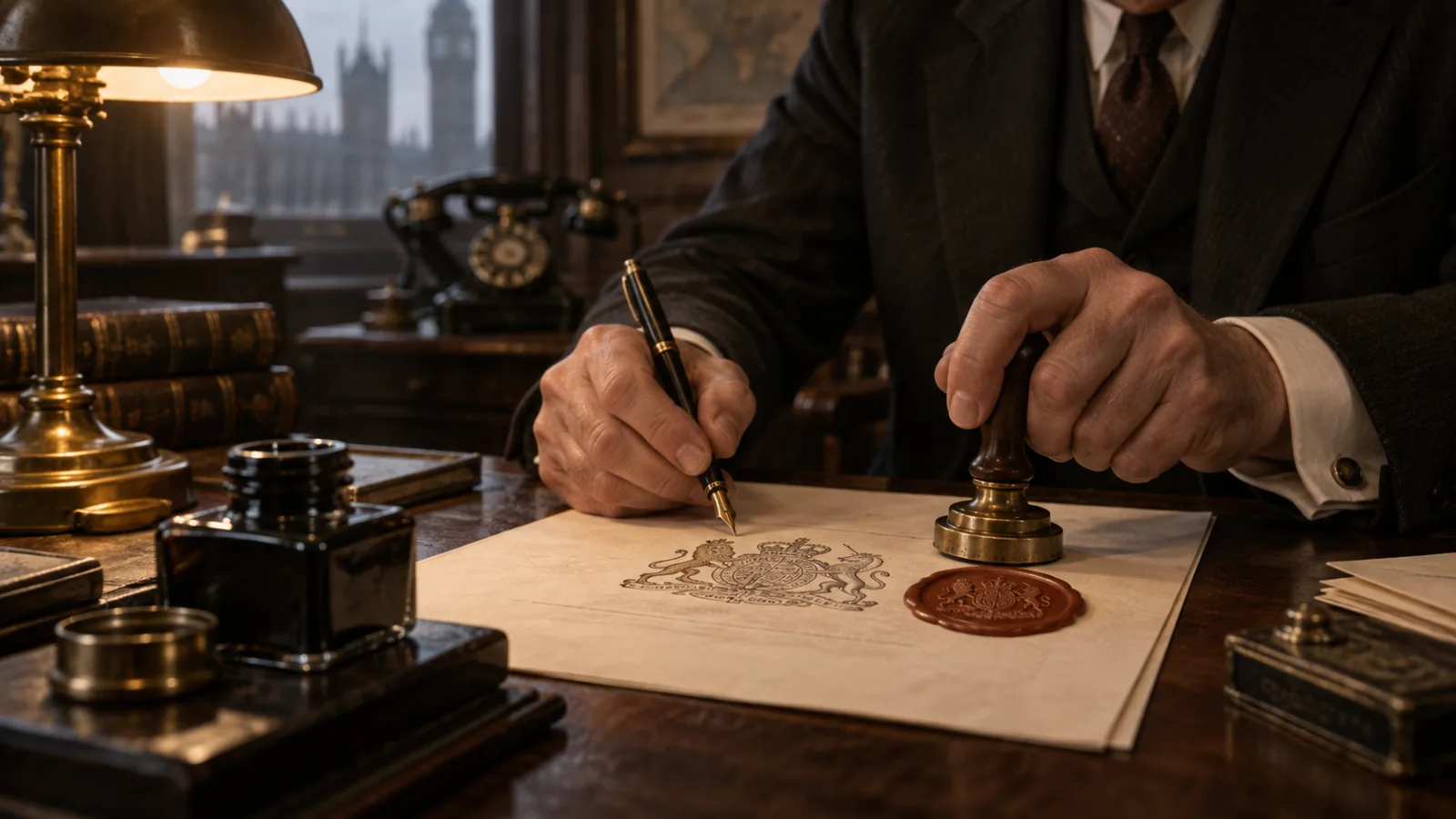
Lustig had official-looking government stationery forged, identifying himself as the Deputy Director-General of the Ministry of Posts and Telegraphs — the government body that, conveniently, actually did have some jurisdiction over the tower because of its use for radio transmission.
Using this fabricated authority, he sent formal letters to six scrap metal dealers, inviting them to a confidential meeting at the Hotel Crillon to discuss a matter of national importance. All six accepted. In Paris in the 1920s, an invitation on ministry letterhead was not something a businessman ignored.
At the meeting, Lustig explained, with visible reluctance, that the Eiffel Tower had become too costly for the city to maintain. Public opinion, he said, had turned against it years ago, and the government had quietly decided the tower must be dismantled and sold for scrap. He was there to solicit bids, and he stressed the need for absolute discretion — the public, he explained, had grown sentimentally attached to the tower despite its cost, and the government feared backlash if word got out before the decision was finalized.
It was audacious. It was also, crucially, plausible. Lustig had built his lie on real anxieties that already existed in the city — anxieties his marks had likely read about themselves.
Targeting André Poisson
Among the six dealers was a man named André Poisson: ambitious, eager to break into the inner circle of Parisian business elites, and, according to accounts of the con, a little insecure about his standing among the others. Lustig identified him almost immediately as the most promising target.
He arranged a private follow-up meeting with Poisson. This is where the con reveals its real genius. Poisson's wife reportedly grew suspicious, wondering why a government official would conduct backroom dealings and demand secrecy over something so significant. So Lustig did something almost no con artist would dare: he let the suspicion breathe, then leaned into it directly.
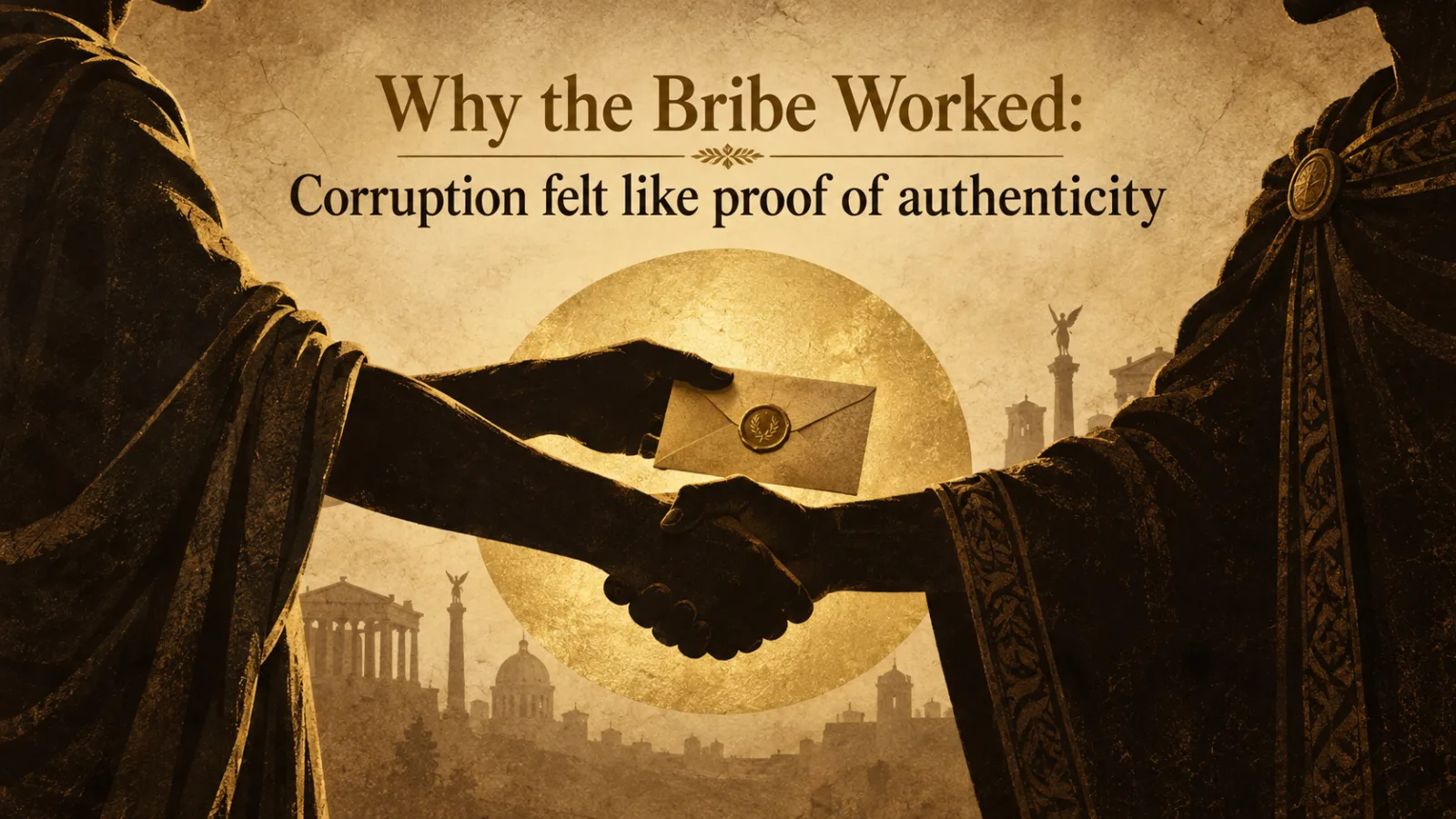
He confided to Poisson, in a lowered voice, that his own government salary was modest, that officials in his position were rarely paid what they deserved, and that he would appreciate a little something extra for himself, personally, to help push the paperwork through discreetly.
The Bribe That Sealed the Deal
It worked exactly as Lustig calculated. A demand for a bribe felt like proof of authenticity. Real bureaucrats were corrupt; real government dealings involved grease under the table. The request for a bribe was, perversely, the most convincing detail in the entire scheme. Poisson's suspicion evaporated. He paid Lustig for the tower, and paid the bribe on top of it.
The exact sum has been reported differently across sources, but the documented core of the story is this: Poisson handed over a substantial amount of money, believing he now owned the rights to demolish and sell the Eiffel Tower for scrap. Lustig left Paris immediately, reportedly for Vienna, with the cash.
The Silence That Let Him Return
Here is the detail that separates Lustig from every ordinary swindler in history. Poisson never went to the police. Whether from humiliation, from fear of ridicule, or from the sheer disbelief that he'd have to explain publicly why he thought he'd bought the Eiffel Tower, Poisson stayed silent. No investigation followed. No warrant, no manhunt, nothing.
Reading the silence correctly, Lustig came back to Paris. Months later, he ran the exact same scheme again — new forged letters, a new set of scrap dealers, the same tired, reluctant government official, the same confidential meeting, the same tower for sale.
This time it didn't work. The second mark went to the police. Lustig, tipped off or simply cautious, had already left the country before authorities could act, and he was never prosecuted in France for the Eiffel Tower scheme. He escaped what should have been an open-and-shut case simply because the crime was so outlandish that pursuing it seriously carried its own risk of public embarrassment for the authorities involved.
America, Counterfeiting, and a Disputed Brush With Al Capone
What happened to Lustig afterward is documented with far more certainty than the specifics of the Poisson transaction. He moved on to the United States, where he ran an array of scams over the following years, most notoriously counterfeiting American currency so convincingly that the operation reportedly troubled the Secret Service for a long stretch of the late 1920s and early 1930s.
There are accounts, widely repeated but not fully verifiable in every detail, that he even swindled the Chicago gangster Al Capone in a separate con involving a fraudulent investment scheme, and somehow escaped violent retribution by convincing Capone he simply hadn't had the heart to go through with the theft. Whether that particular story is complete fact or embellished legend is genuinely disputed by historians, and it should be treated with appropriate caution.
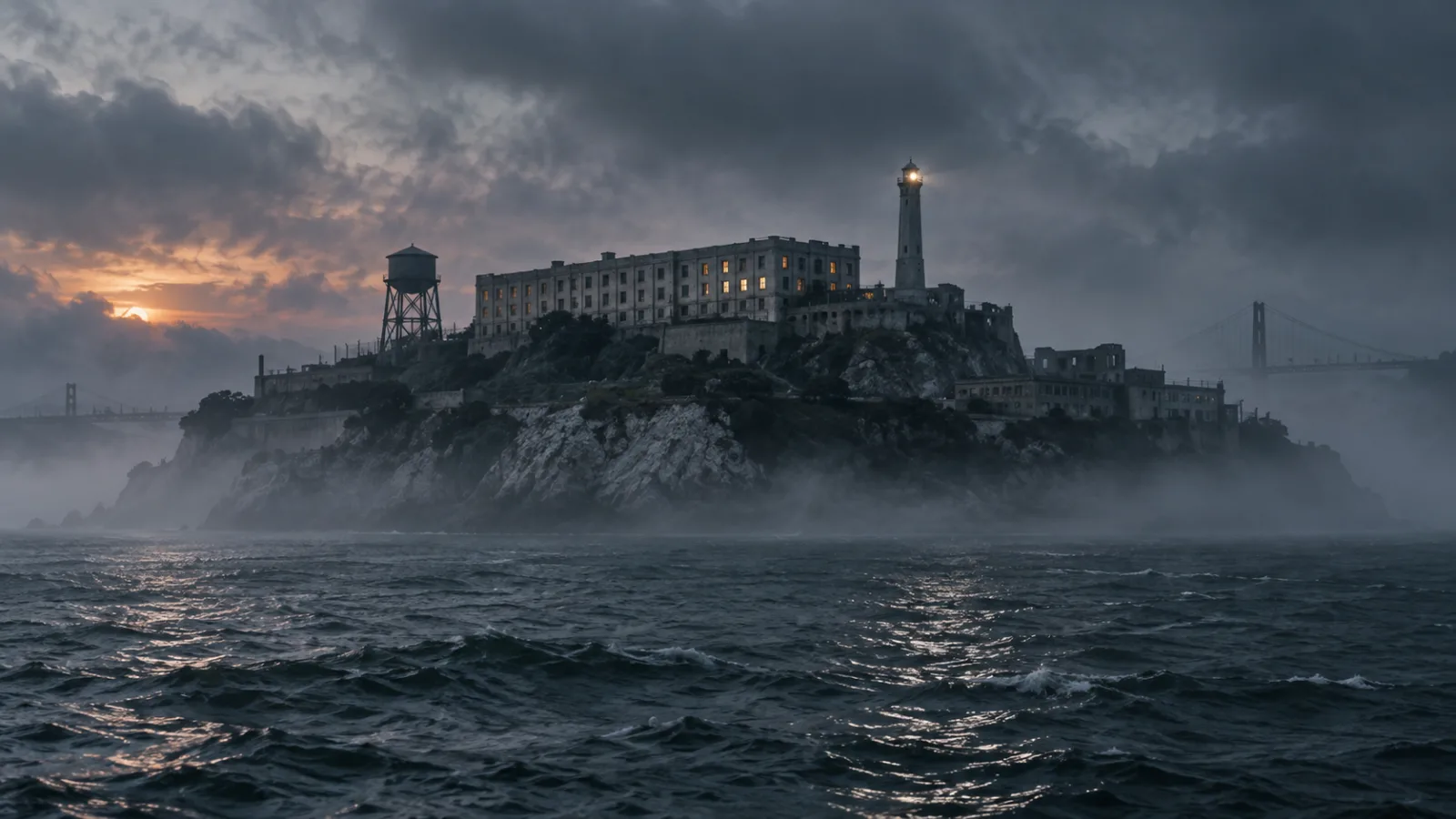
What is well documented is his eventual downfall. In 1935, Lustig was arrested in the United States, convicted on counterfeiting-related charges, and sentenced to serve time at Alcatraz. He died in prison in 1947.

The Psychology Behind the Con
Step back from the man and look at the mechanics of what he actually pulled off, because that's where the deeper mystery of this story lives — not in whether it happened, but in how completely it worked.
Lustig's Eiffel Tower con is often cited by historians and con artist researchers as one of the purest examples of the psychology of the confidence game ever recorded. It didn't rely on greed alone. It relied on secrecy, status anxiety, and the exploitation of real institutional plausibility. France in the 1920s did have genuine bureaucratic opacity. Government decisions about public monuments genuinely were made behind closed doors. And a man eager to prove himself among Parisian elites, like Poisson, was exactly the kind of target who would rather lose money quietly than risk being seen as the fool who fell for it.
The bribe request remains the single most studied detail of the entire scheme. Con artist historians point to it as a masterstroke of reverse psychology — using an act of apparent corruption to manufacture trust. It's a technique so effective that variations of it appear in fraud cases studied by criminologists to this day.
What Remains Unknown
What's genuinely unresolved, and likely to remain so, is the precise financial figure Poisson paid, since period sources and later retellings differ. The full details of Lustig's escape and his exact movements in the months surrounding both attempted sales are also not preserved with total certainty, pieced together instead from secondhand accounts, later interviews, and the recollections of people writing about Lustig well after his death.
Some of the most colorful details attached to his legend — including the Capone story — sit in that gray area between documented fact and passed-down folklore, kept alive because they're irresistible, not necessarily because they're fully verified.
And that is, in the end, the strange legacy of Victor Lustig. A man who sold something that was never his to sell, not once, but twice — and whose real crime may not have been the forged letters or the fake ministry stationery at all, but something far simpler: he understood, better than almost anyone before or since, that people would rather lose their money in silence than admit, out loud, that they were fooled.
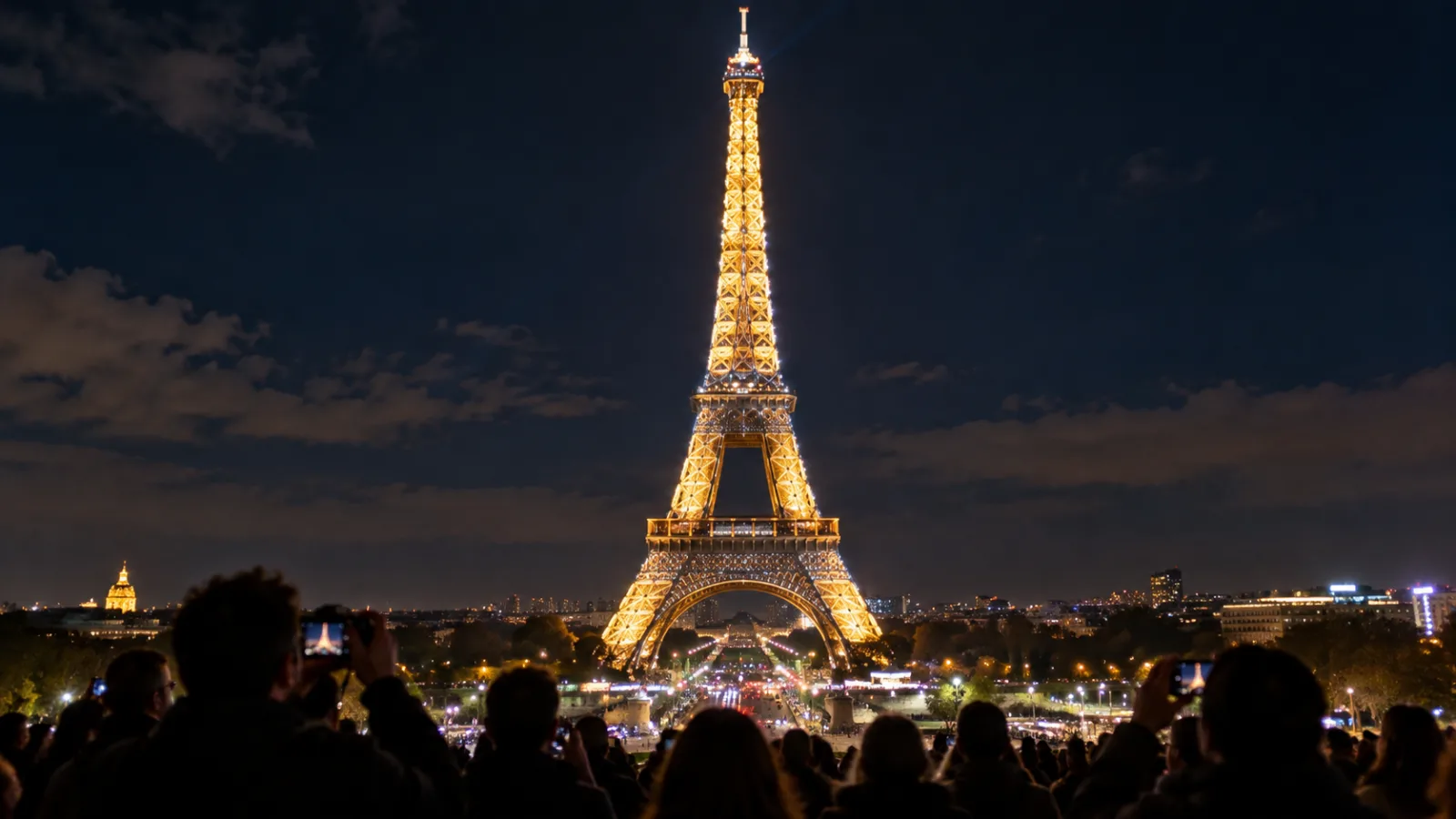
The tower still stands over Paris tonight, lit against the dark, photographed by millions who have no idea that a stranger once stood in a hotel room a few streets away and convinced a room full of businessmen it was his.