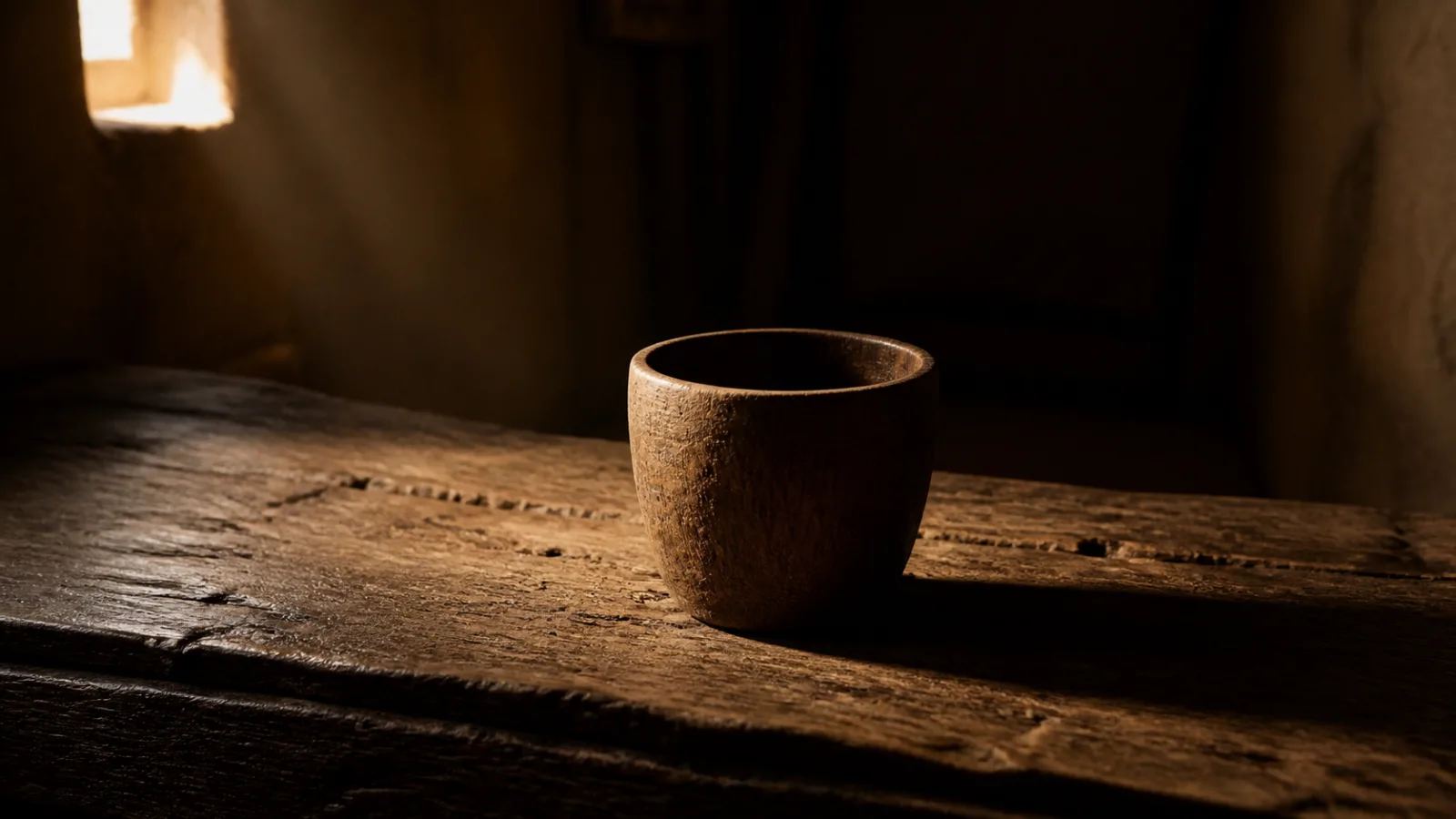
A cup. Wood, or clay, or stone. Nothing about it would have seemed remarkable at the time. And yet for nearly a thousand years, kings have funded expeditions for it, knights have organized entire orders around finding it, and scholars have argued it never existed at all — at least not as the object we imagine today. Somewhere between a supper table in first-century Jerusalem and the imagination of a twelfth-century French poet, an object became a legend.
The question that has outlived everyone who ever searched for it is simple: where is the Holy Grail? Beneath it sits a stranger question still — was there ever anything to find?
What the Grail Is Supposed to Be
In the earliest Christian tradition, the Grail is the cup used by Jesus at the Last Supper, sometimes described as the same vessel Joseph of Arimathea later used to catch Christ's blood at the crucifixion. That's the story most people know.
But historians point out something striking: none of the four canonical gospels mention a Grail at all. Not by that name, not as a relic, not as an object of any particular significance beyond its ordinary use at a shared meal. In scripture, the cup is a detail. It becomes a legend somewhere else — and much later.
A Poet, Not a Priest, Created the Legend
The word "grail" likely comes from the Old French *graal*, itself derived from a Latin term for a wide serving dish. The first time that word is attached to anything resembling a sacred object isn't in a religious text — it's in a work of fiction.
Around 1190, French poet Chrétien de Troyes wrote an unfinished romance called *Perceval, the Story of the Grail*. In it, a young knight witnesses a mysterious procession featuring a *graal* — a glowing dish carried by a maiden. Chrétien never finished the poem, never explained what the object was, and never called it holy. That ambiguity matters: the fully Christian, blood-of-Christ version of the Grail doesn't yet exist here.
It was another French writer, Robert de Boron, who transformed the glowing dish into the cup of the Last Supper, later used by Joseph of Arimathea to collect Christ's blood. As far as documented literary history shows, Robert de Boron is the figure responsible for fusing the Grail to the Passion narrative. Before him, it was a strange vessel in a fairy tale. After him, it was a holy relic.
This means the Grail most people picture today is a layered invention — part scripture, part medieval fiction, part evolving folklore — assembled over more than a century by writers who were, by all appearances, composing romantic literature rather than recording history.

From Glowing Dish to Spiritual Test
The legend kept growing. German poet Wolfram von Eschenbach, writing around the same era, reimagined the Grail not as a cup but as a mystical stone with almost alchemical properties. Later French cycles wove the Grail into the legend of King Arthur, turning the search for it into a spiritual quest for the Knights of the Round Table.
In these versions, Sir Galahad — the purest knight — is the only one worthy of finding the Grail. Percival and Bors come close. Lancelot, burdened by his affair with Guinevere, is denied. By the time these threads converged in Sir Thomas Malory's *Le Morte d'Arthur* in the 1400s, the Grail had become less an object and more a test — a measure of the soul.
So before we even reach physical relics, there's an uncomfortable historical reality to sit with: the glowing, guarded, life-granting Grail of popular imagination is a literary creation of medieval Europe, built centuries after the events it claims to depict. That doesn't mean no cup existed at the Last Supper — historically, it would be unremarkable if one did. What's contested is whether any specific cup was preserved, tracked, and correctly identified across two thousand years of war, conquest, and collapsing empires.

The Physical Candidates
Despite the legend's murky literary roots, several real objects have been proposed across history as the actual cup — each with its own chain of claims, and each contested by historians and scientists.
The Valencia Chalice
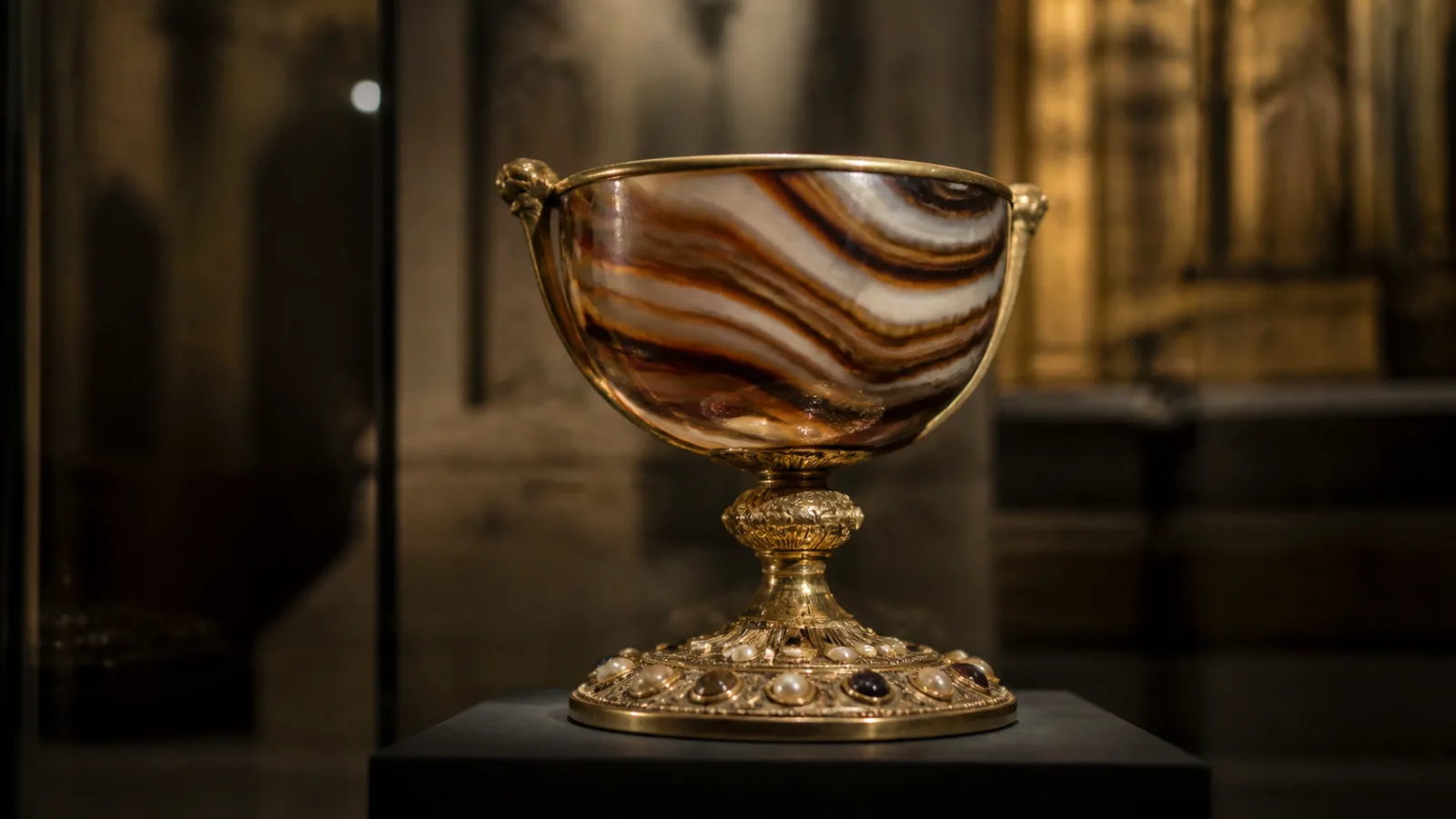
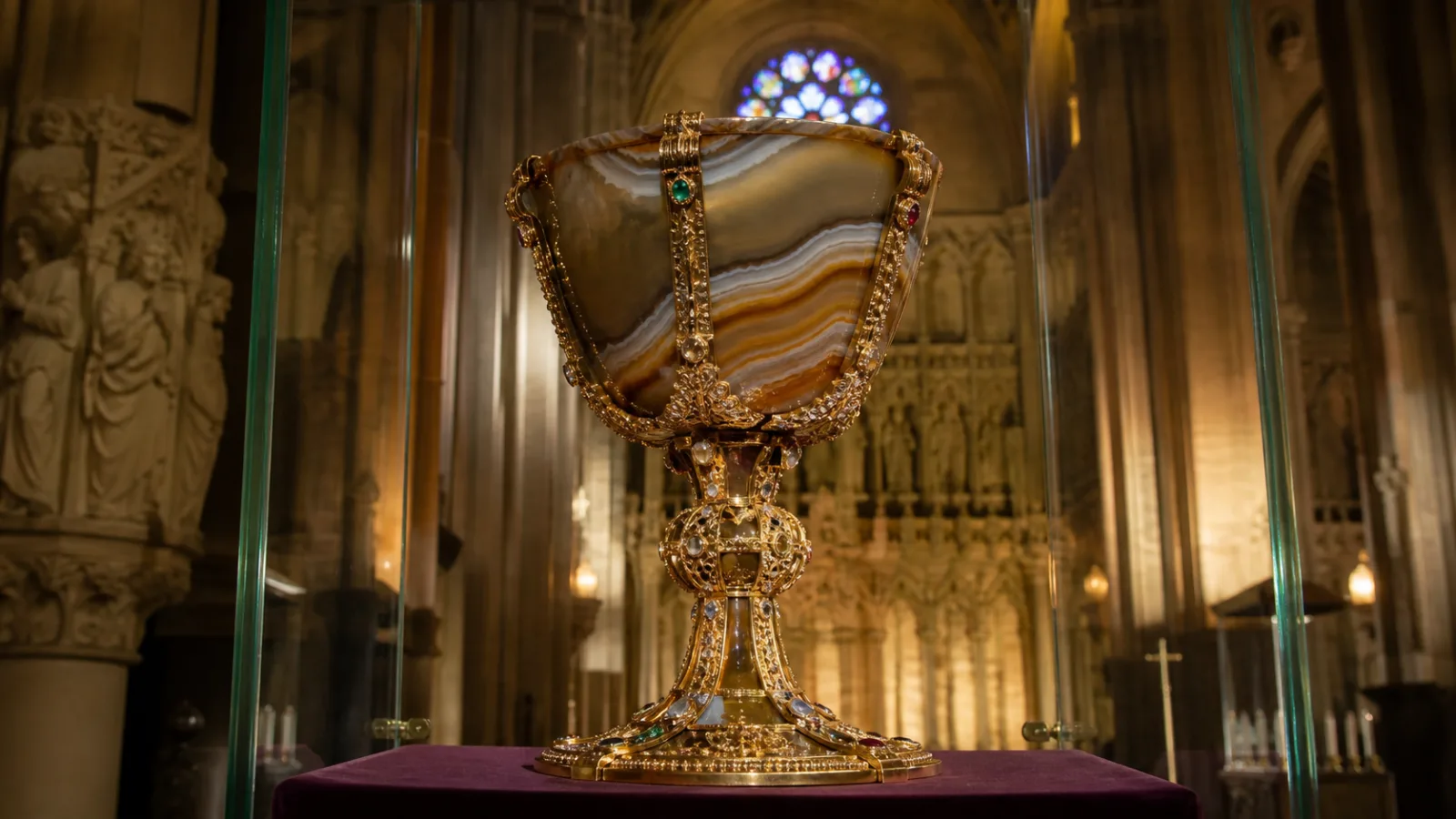
The most famous candidate sits in the Cathedral of Valencia, Spain. Known as the Santo Cáliz, or Holy Chalice, it's an agate cup mounted in a later gold and jeweled stem. Church tradition holds that Saint Peter brought it to Rome, and that it was later moved to Spain for safekeeping, hidden for a time in monasteries in the Pyrenees, including San Juan de la Peña. Written records referencing the chalice's presence in Spanish monasteries stretch back centuries, and the cathedral has maintained documented custody of the object since the fifteenth century.
Modern geological analysis has examined the agate cup itself and found its material and craftsmanship consistent with an origin in the Middle East, dated somewhere between the fourth century BC and the first century AD. That doesn't prove it's the Grail — but it means the cup is old enough to have existed at the time of the events it's associated with, which is more than can be said for most relics of this kind.
The Nanteos Cup
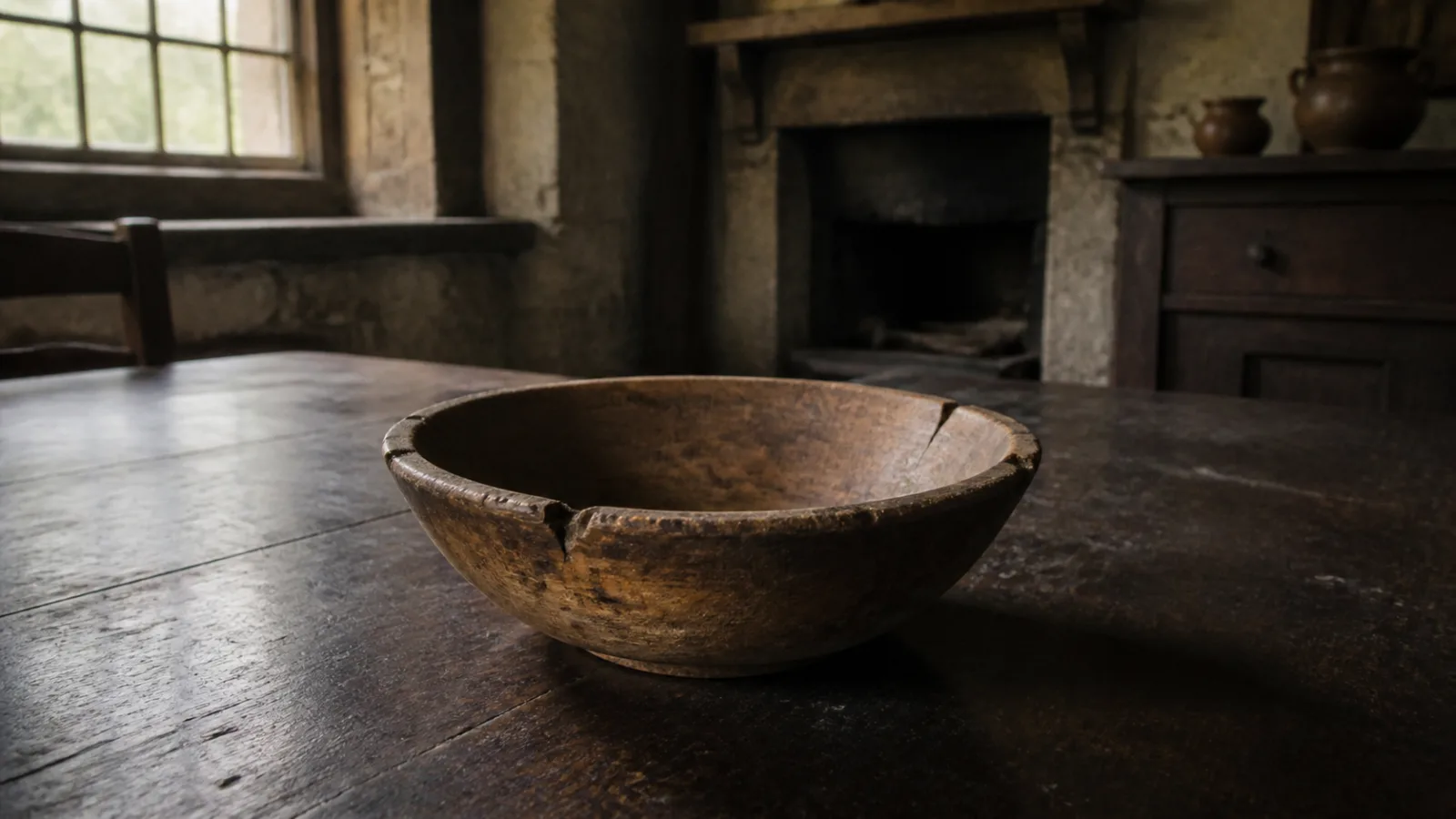
Kept for generations by a family in Wales, the Nanteos Cup is a wooden bowl tied to monastic tradition and reputed healing properties; pilgrims reportedly traveled to drink from it as late as the nineteenth century. Radiocarbon and material analysis, however, dates the wood to the medieval period — centuries after the first century — a finding that significantly undercuts its claim to being the original vessel, even as its folkloric and devotional history remains genuine.
The Antioch Chalice
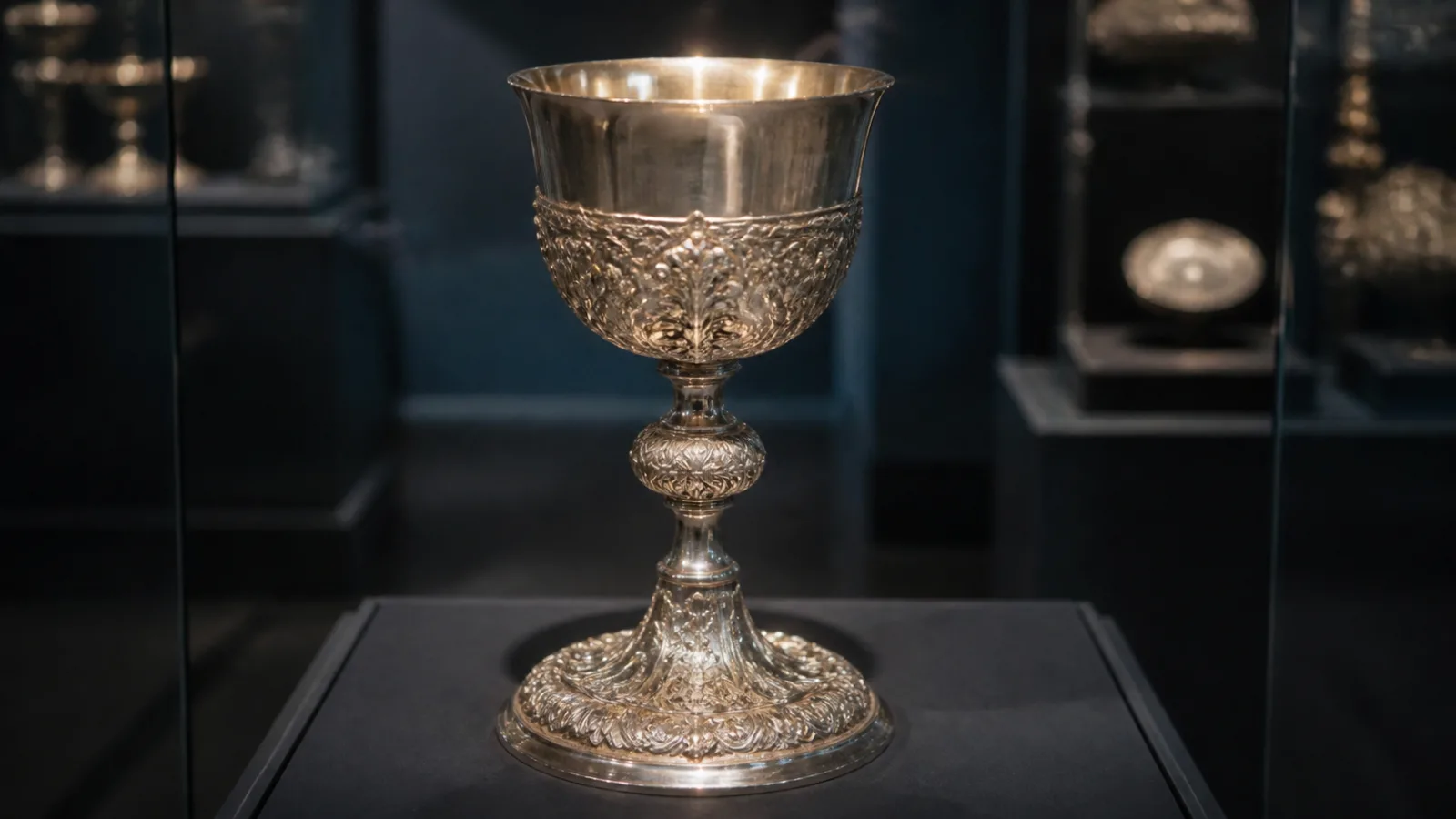
Discovered in Antioch, in modern-day Turkey, in the early twentieth century, this silver artifact led some scholars to initially propose it was an elaborate first-century holder built around the actual Grail cup. More rigorous later analysis dated the chalice's silverwork to the sixth century — real, ancient, and religiously significant, but not a relic from the life of Christ.
A Recurring Pattern
Every time a physical candidate is subjected to modern dating methods — radiocarbon analysis, metallurgical study, stylistic comparison — it tends to resolve into something genuinely old and genuinely significant to Christian history, but rarely verifiably from the exact time and place the legend requires. Historians largely agree these are real relics with real, often centuries-long devotional histories, sincerely venerated by real communities of faith. Whether any of them is literally the cup from a specific meal in Jerusalem is a separate question — one that predates modern archaeology's ability to answer with certainty.
Was the Grail Ever Meant to Be Real?
Many historians consider a different theory the most persuasive of all: that the physical Grail was never really the point. Some scholars argue Chrétien de Troyes and his successors weren't describing a lost relic but constructing a symbol — a narrative device representing divine grace, spiritual purity, or the unattainable perfection that gives a quest its meaning. In this reading, the Grail legend tells us more about twelfth-century Europe — an age shaped by chivalry, the Crusades, and tension between earthly knighthood and spiritual salvation — than about first-century Judea.
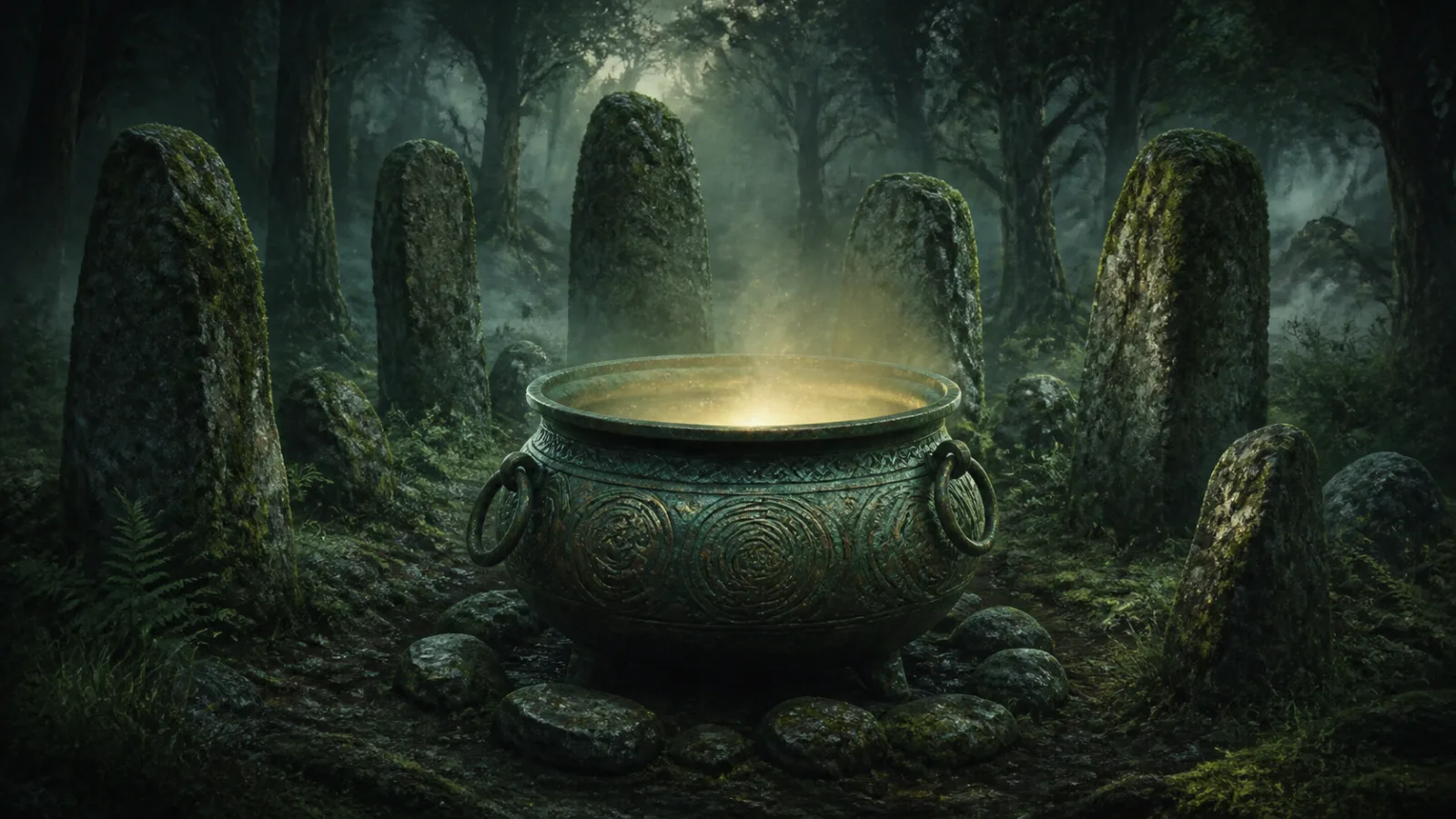
Other researchers propose the legend absorbed older, pre-Christian folklore — Celtic myths of magical cauldrons of abundance and healing — reworked and Christianized by medieval storytellers blending oral tradition with new religious meaning. This doesn't require any conspiracy. It simply suggests Europe's storytellers did what storytellers have always done: took older wonder-tales and dressed them in the imagery of their own time.
An Idea That Outgrew Any Single Object
This is where the mystery resists a clean answer. There is no single missing object and no single trail of clues. There is an idea that grew, mutated, and multiplied across centuries of retelling — absorbed into religious devotion, romantic literature, and modern pop culture alike — while several real, ancient cups continue to sit in cathedrals and private collections, each with a documented history, none with airtight proof.
That leaves the Valencia chalice: dated to the right era, from the right region, guarded by an institution with centuries of continuous, documented custody — and a question no laboratory has ever closed. If an agate cup carved somewhere in the Middle East two thousand years ago really did pass hand to hand, through Rome, through hidden monasteries in the Pyrenees, into a Spanish cathedral where it sits behind glass today — how would anyone, even now, ever prove it was the one that mattered?