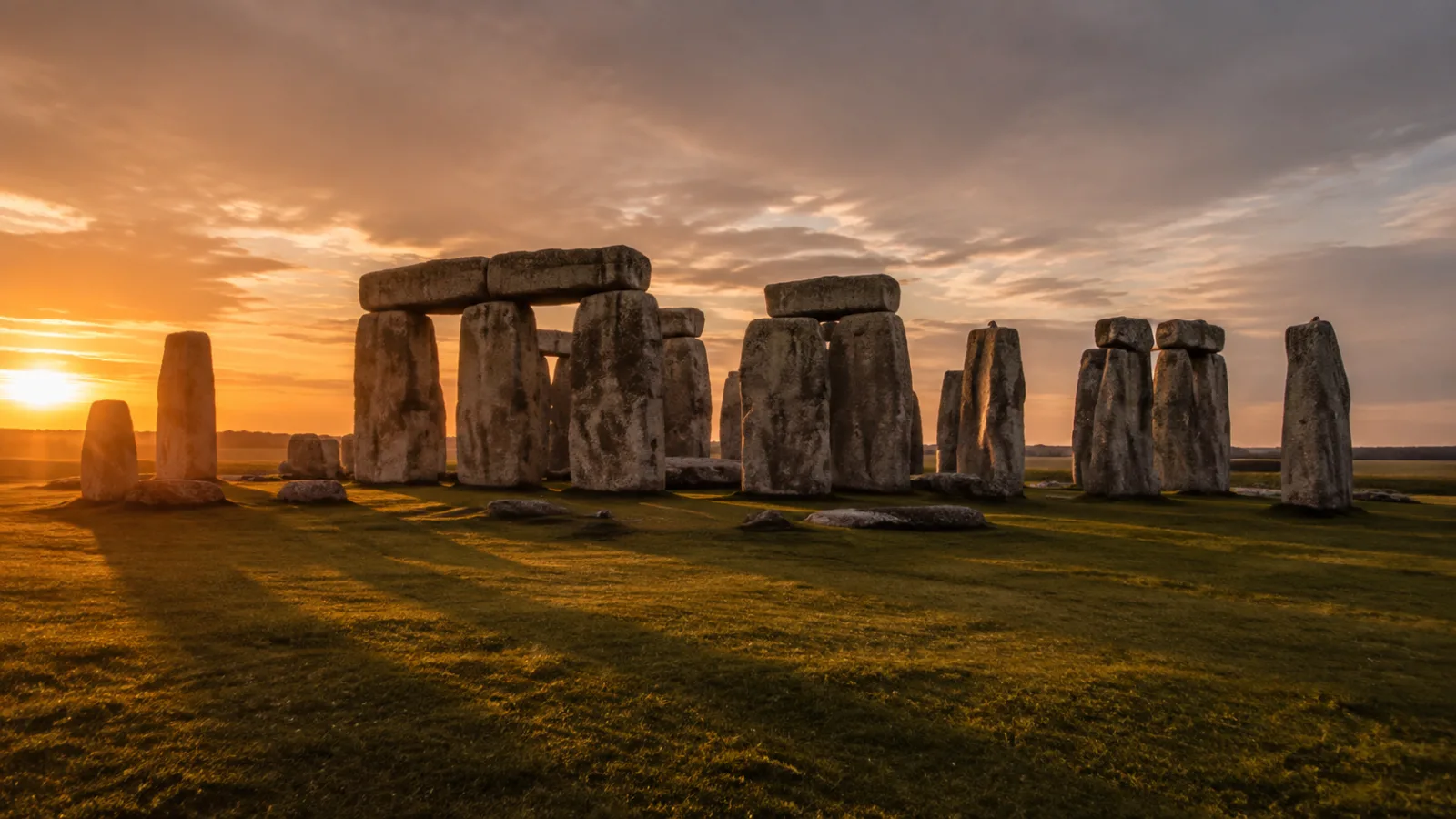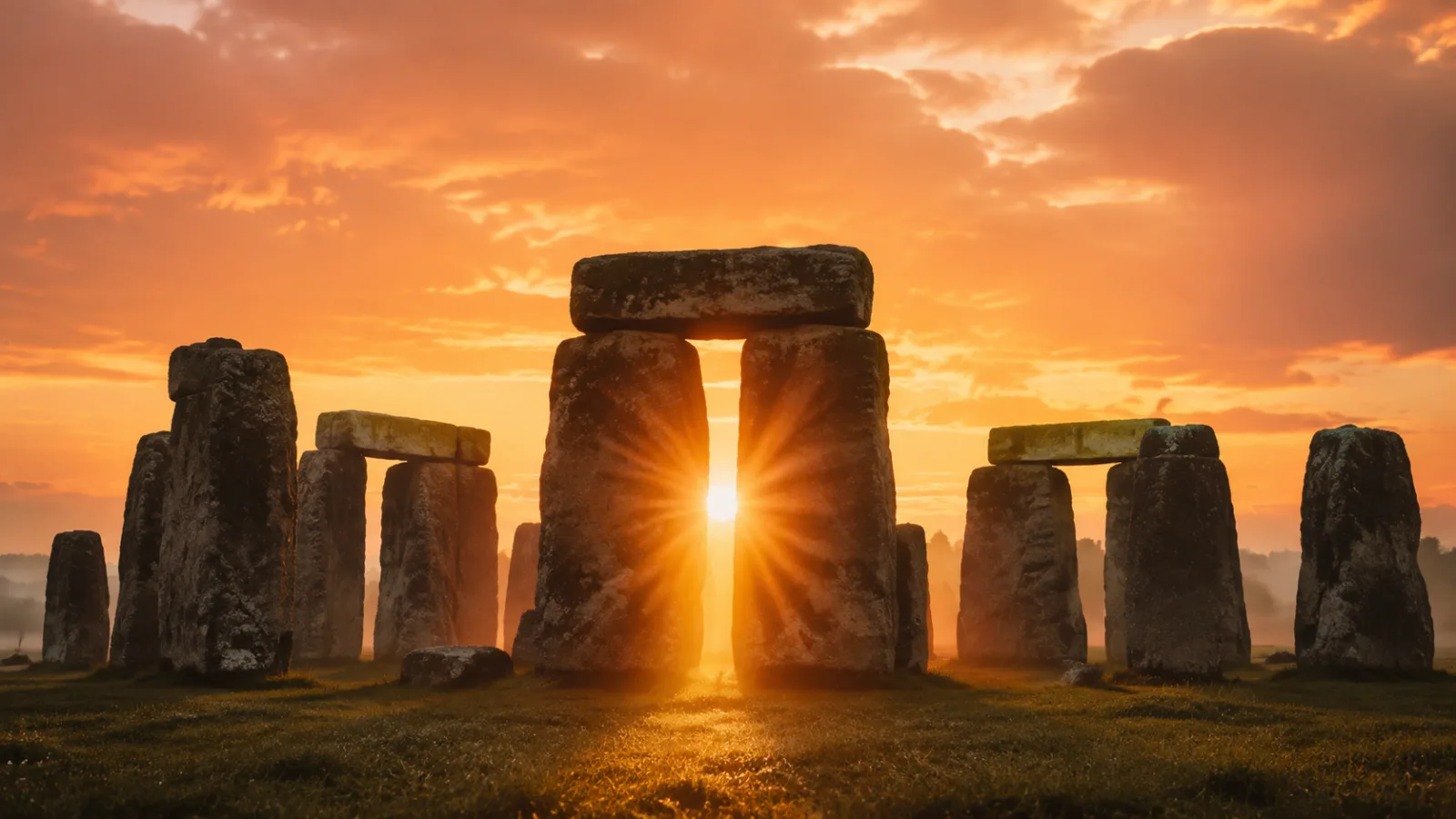
Before dawn, on the shortest days of the year, the sun still finds the gap. It rises exactly where a break in the stones allows, and for a few minutes, light floods into the center of a ring that has stood on Salisbury Plain for roughly five thousand years. No one alive today built it, and no one alive today can say, with total certainty, why it was built at all.
Stonehenge is the most studied prehistoric monument on Earth, and it remains, in the truest sense, an open case. We have the stones. We have the bones buried around them. We have soil, pollen, antler tools, and the labor of who knows how many generations of builders. What we don't have is a single sentence, carved or spoken, that tells us the builders' own reason for building it. Every explanation that follows is built from evidence — but none of it is proven beyond doubt.
What the Evidence Actually Shows
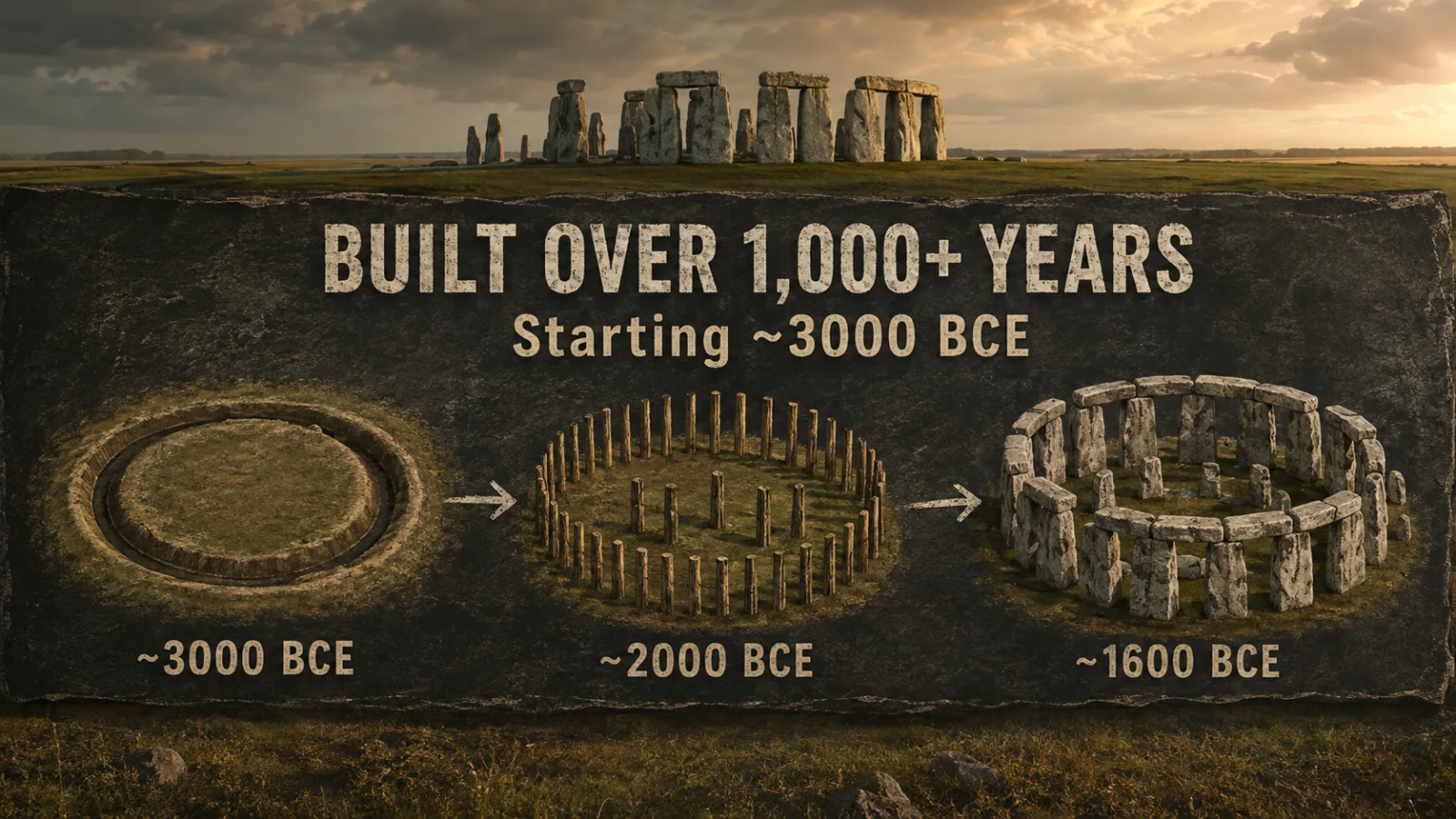
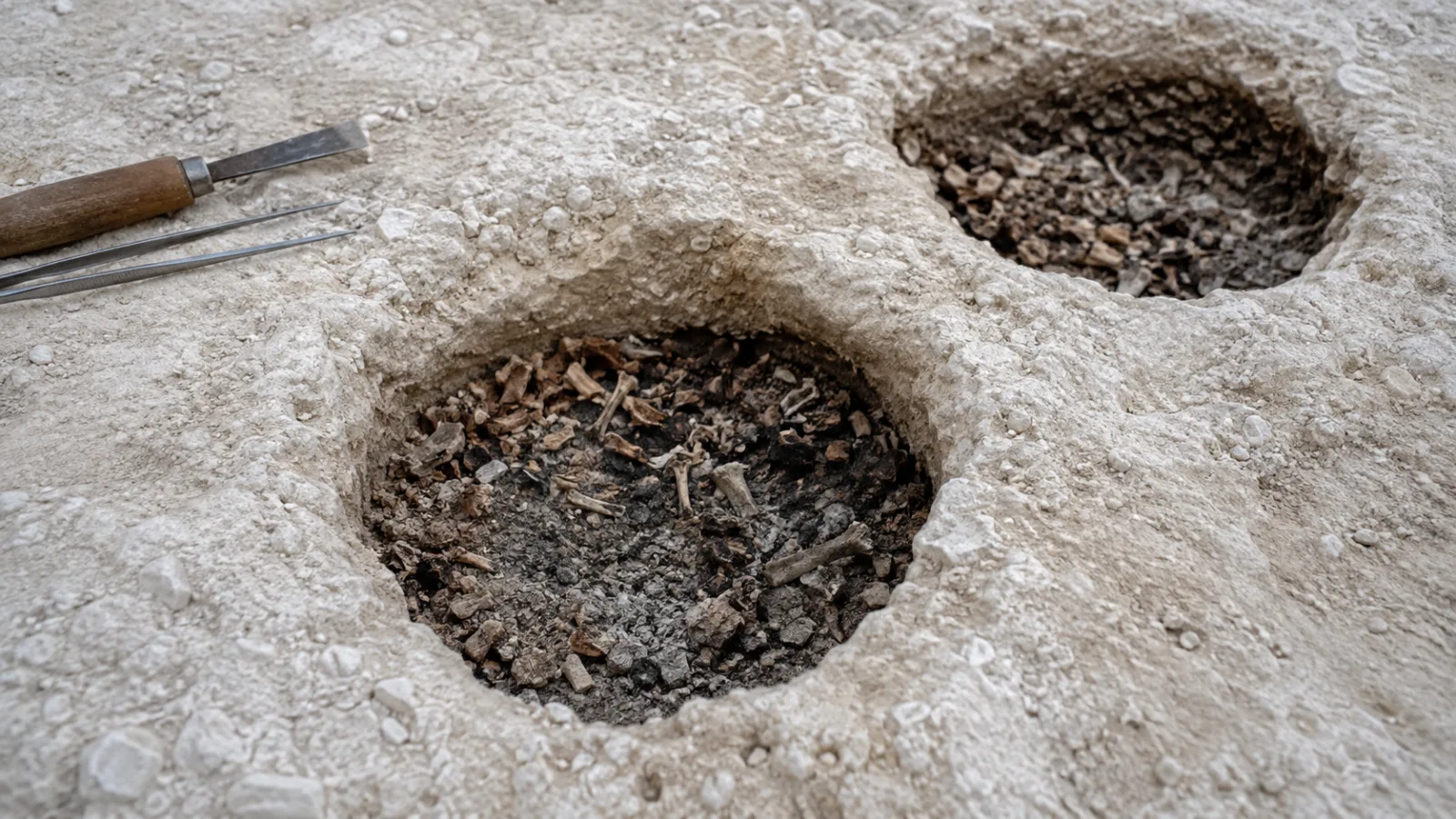
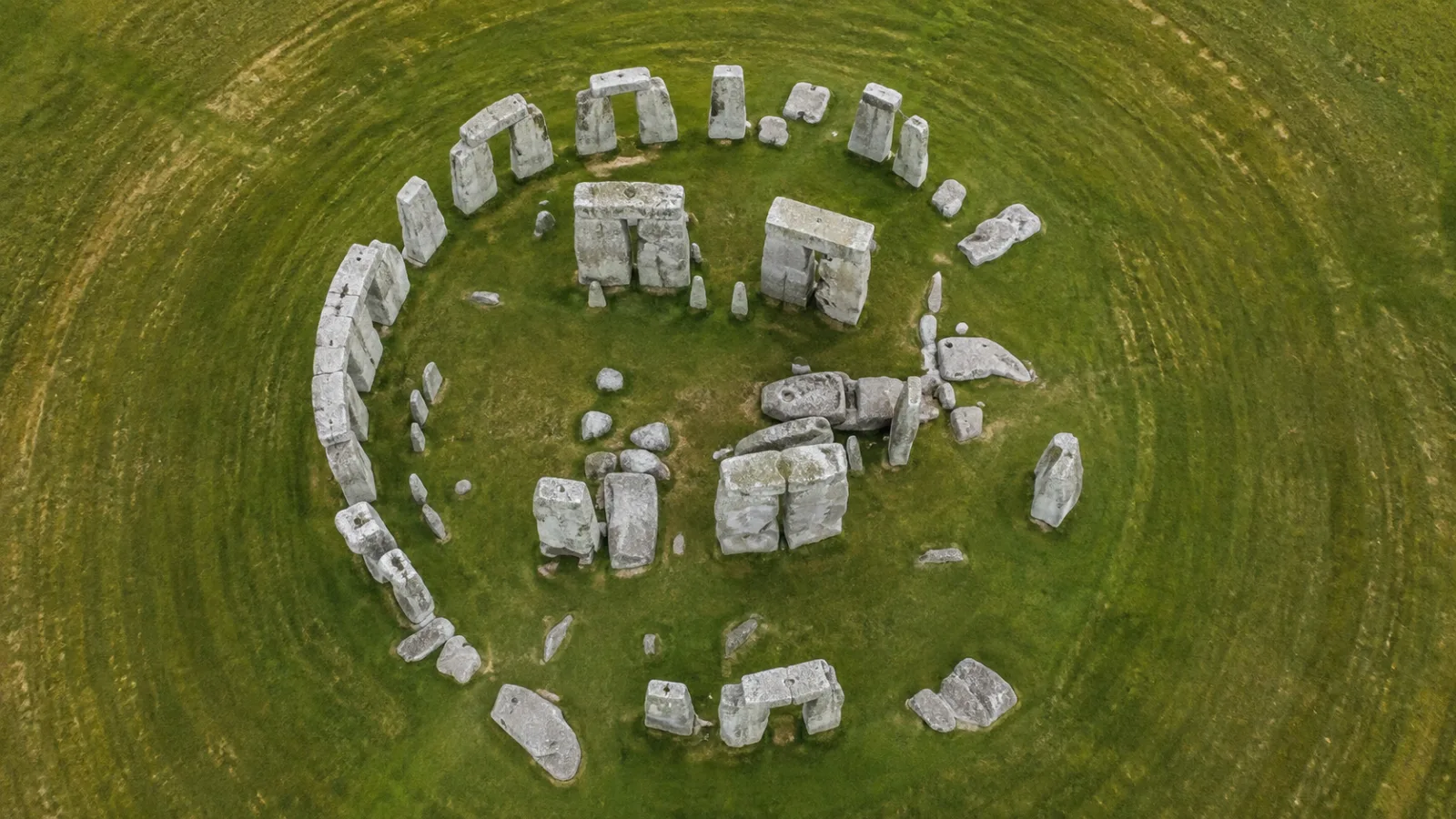
Stonehenge wasn't built in one sitting. It was built, rebuilt, and reworked over more than a thousand years, starting around 3000 BCE. The earliest phase wasn't stone at all — it was a circular ditch and bank enclosing a ring of timber posts, with a series of pits known as the Aubrey Holes cut into the chalk. Cremated human remains have been found in and around those pits, dozens of individuals, making this one of the largest known cremation cemeteries in Britain during that era. Before a single sarsen stone stood upright, this ground was already a place for the dead.
The Bluestones' 150-Mile Journey
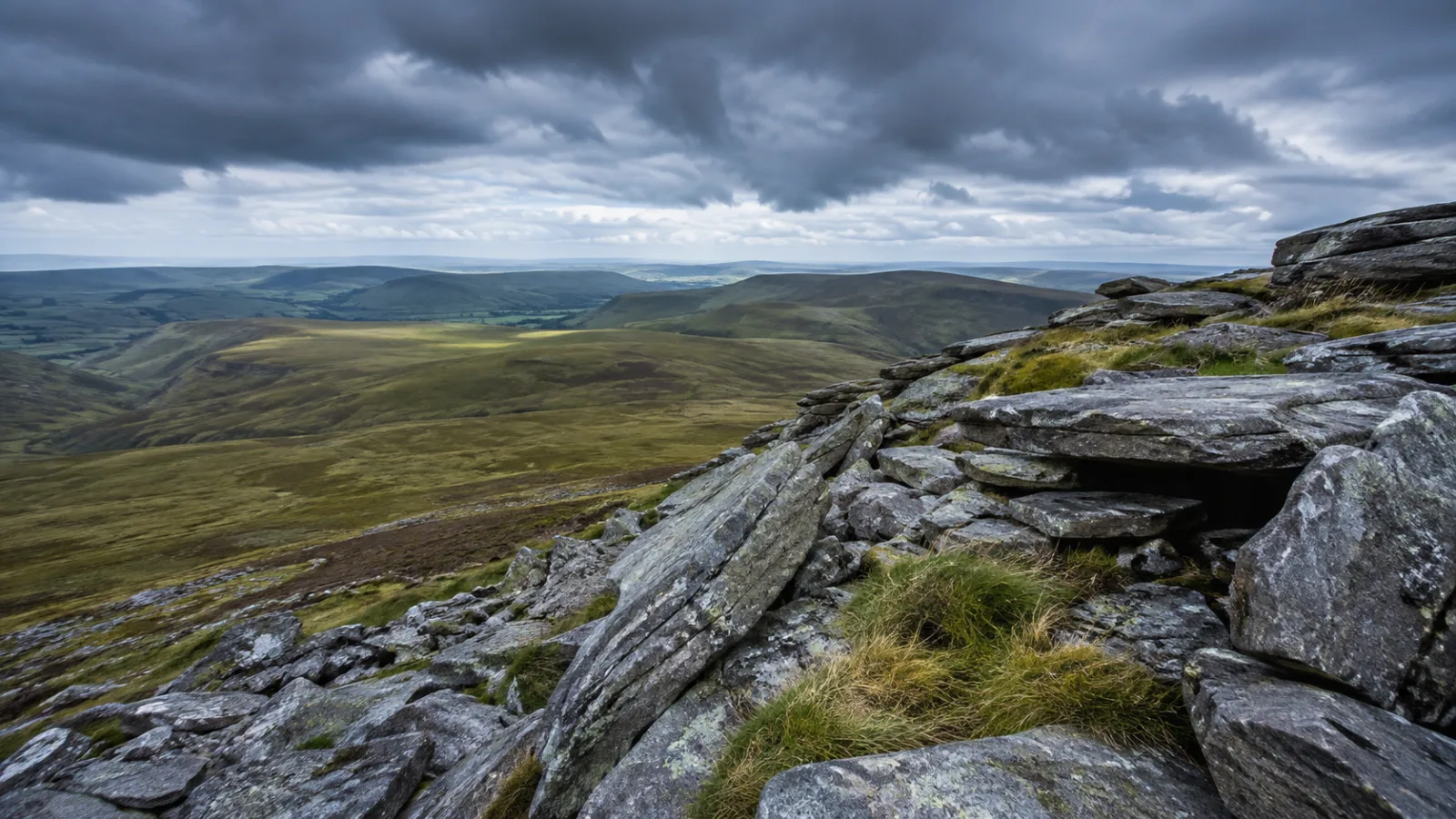
Centuries later, builders brought in the bluestones — smaller stones weighing up to several tons each, geologically traced to the Preseli Hills in Wales, roughly 150 miles away. That distance alone is staggering. It means Neolithic people, without wheels suited to the terrain and without proven draft animals, moved multi-ton stones across a substantial stretch of Britain. How they did it — river transport, overland sledges and rollers, or some combination — is debated. That they did it is not. The stones are Welsh. The site is in Wiltshire. That gap has to be explained somehow.
Raising the Sarsen Giants
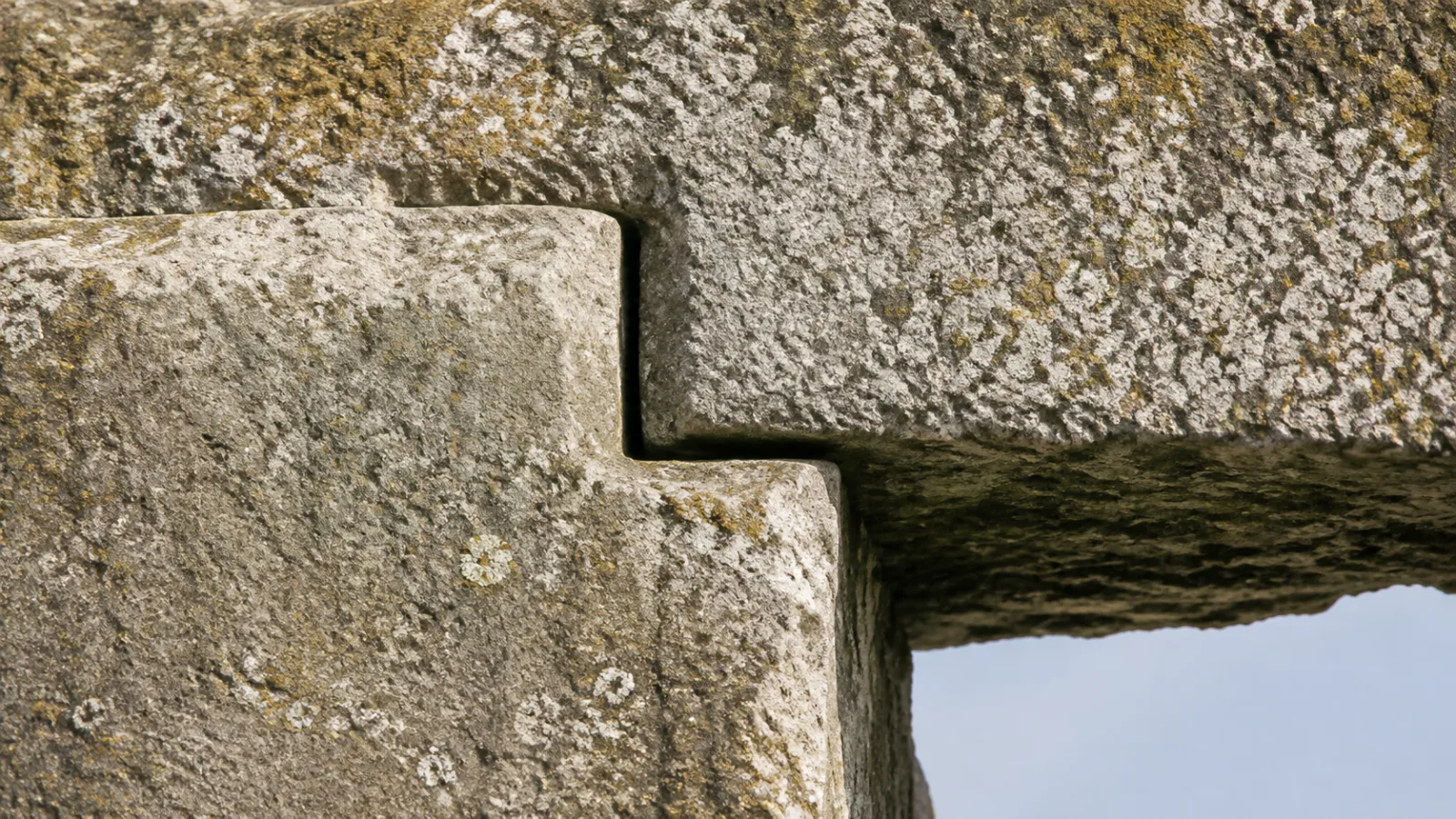
Later still came the giants: the sarsen stones, some over twenty feet tall and weighing up to twenty-five tons, sourced from West Woods, about fifteen miles north. These were shaped with mortise and tenon joints — woodworking joinery translated into stone — so the lintels lock onto the uprights. This is not casual stacking. It is engineering, planned and executed by people we routinely underestimate.
The monument's main axis lines up with the sunrise on the summer solstice and the sunset on the winter solstice. That alignment is documented, measurable, and repeatable every year. What it meant to the people who built it is where fact ends and interpretation begins.
So Who Were They, and What Was This Place For?
The honest archaeological answer is: probably several things, at different times, to different people.
A Domain of Ancestors
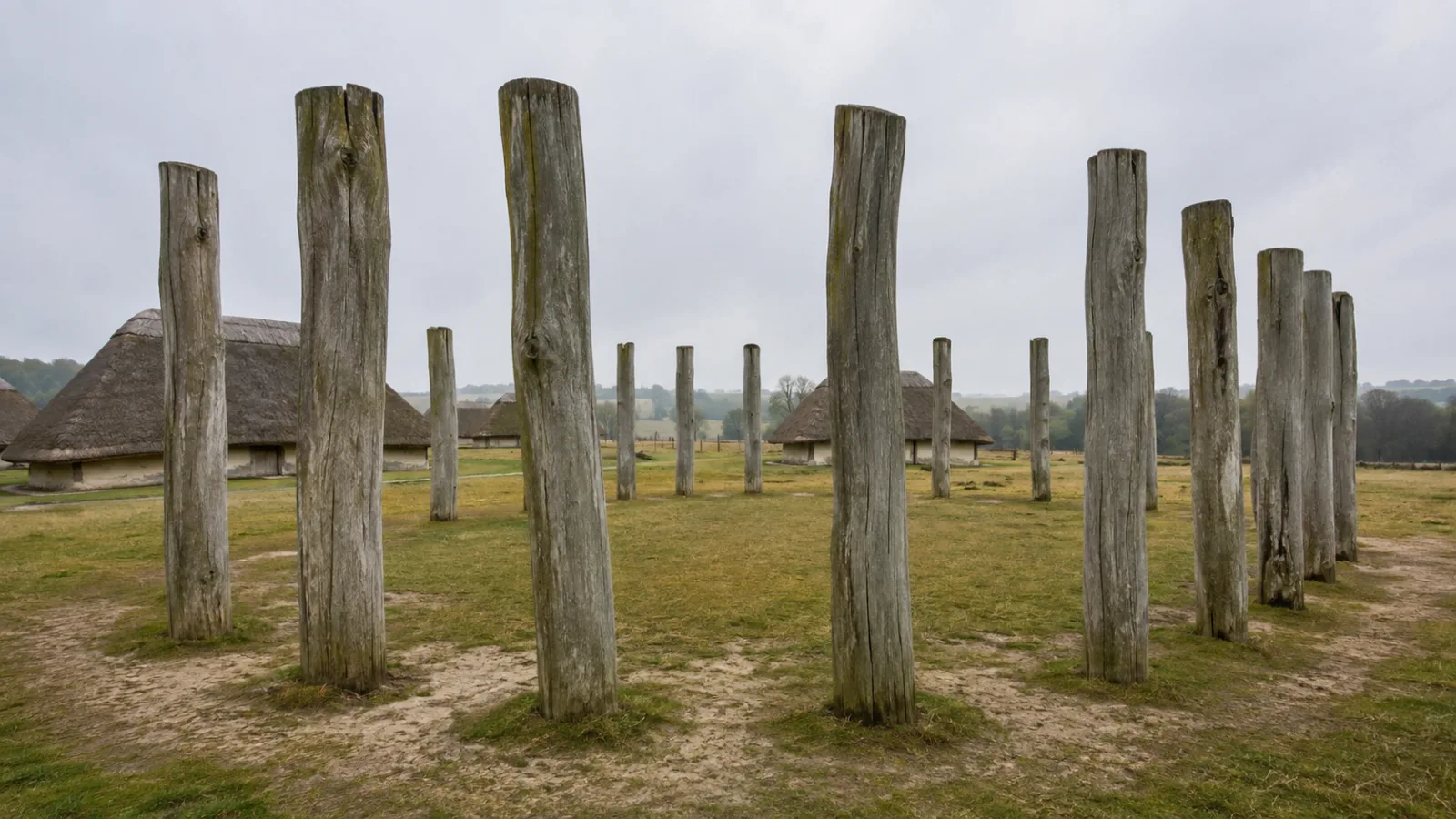
One of the oldest and most enduring theories holds that Stonehenge functioned as a burial ground and monument to the dead. This isn't speculation pulled from nowhere — the cremated remains in the Aubrey Holes, spanning centuries of use, support it directly. Archaeologist Mike Parker Pearson and colleagues on the Stonehenge Riverside Project have proposed that Stonehenge was the stone counterpart to a nearby wooden monument, Durrington Walls, just two miles away. In their model, wood represents the material of the living and stone the material of the dead and the ancestors, with the River Avon serving as a processional route connecting the two. The theory is bolstered by evidence of feasting at Durrington — enormous quantities of pig bones pointing to seasonal gatherings — but it remains an interpretation, not a certainty.
A Solar Calendar
The astronomical theory holds that Stonehenge was, in some sense, a calendar or observatory. The solstice alignments are undeniable. Some researchers have gone further, suggesting the monument encodes a solar calendar system, possibly tracking a 365-day year through the number and arrangement of the stones. This idea has gained attention recently, but other archaeologists argue the numerical patterns may be coincidental, or that modern calendar logic is being imposed on a culture that thought about time very differently. It remains a live academic debate, not a settled fact.
A Healing Pilgrimage Site
A third major theory concerns healing. The bluestones come from a Welsh region with a later folklore association with healing springs. Excavations have found a notable number of skeletons near Stonehenge showing signs of injury, illness, or deformity, leading researchers including archaeologist Timothy Darvill to propose the site may have functioned as a place of pilgrimage for the sick. Critics counter that any large Bronze Age population would show similar rates of illness and injury, so the pattern alone doesn't prove a healing function. It's suggestive, not conclusive.
A Monument of Unity
A fourth theory frames Stonehenge as a unifying project — one that pulled together communities from across Britain. Recent isotope and genetic studies suggest some of the people buried at Stonehenge weren't local to the Salisbury Plain area at all, with connections to populations as far as western Wales and possibly beyond. That finding supports the idea that Stonehenge wasn't a local temple but a shared, perhaps even political, project — built through cooperation between different groups, at real human cost, to declare something about unity, identity, or shared belief.
Do the Theories Fit Together?
What's genuinely unresolved, even now, is how these theories relate to each other. Was it a graveyard first and a calendar by accident of alignment? Was healing a later purpose layered onto an older monument? Did its meaning shift as generations passed, the way a cathedral might be many things to many congregations across centuries? Most archaeologists today would say probably — that Stonehenge's purpose evolved, and no single theory needs to be the whole truth.
The engineering mystery hasn't fully closed either. We know the bluestones came from Wales. We do not know, with certainty, the exact route or method of transport. Experimental archaeology — teams attempting to move large stones using timber sledges, ropes, and log rollers — has shown it's physically possible with a coordinated workforce, but that demonstrates capability, not the historical method actually used. Whether the stones came by sea, by river, or entirely overland is still argued among specialists.
The Intention Science Can't Recover
There's a deeper puzzle beneath all of it. This was a preliterate society. They left behind no myths written in their own words, no priest's account, no king's decree explaining the project. Everything we know is reconstructed from stone, bone, soil chemistry, and careful comparison with later cultural practices. Our best theories are inferences from physical evidence — strong inferences, in many cases, built by careful scientists — but inferences all the same.
What remains certain is this: around 3000 BCE, people without metal tools, without the wheel as we'd recognize it, without writing, decided that a patch of open chalk downland deserved a monument that would take, by some estimates, well over a thousand years to reach its final form. Generations who never met each other were bound by the same unfinished project. They quarried, they hauled, they shaped, they aligned, and then they died, and their descendants kept building.
We can measure the stones. We can date the bones. We can trace the bluestones back to a hillside in Wales with remarkable precision. But the one thing no laboratory can recover is intention — the actual words someone might have said, standing in that circle four thousand years ago, explaining to a child exactly why they were there.
That gap, between what the stones can prove and what they can never quite tell us, is where Stonehenge still lives.